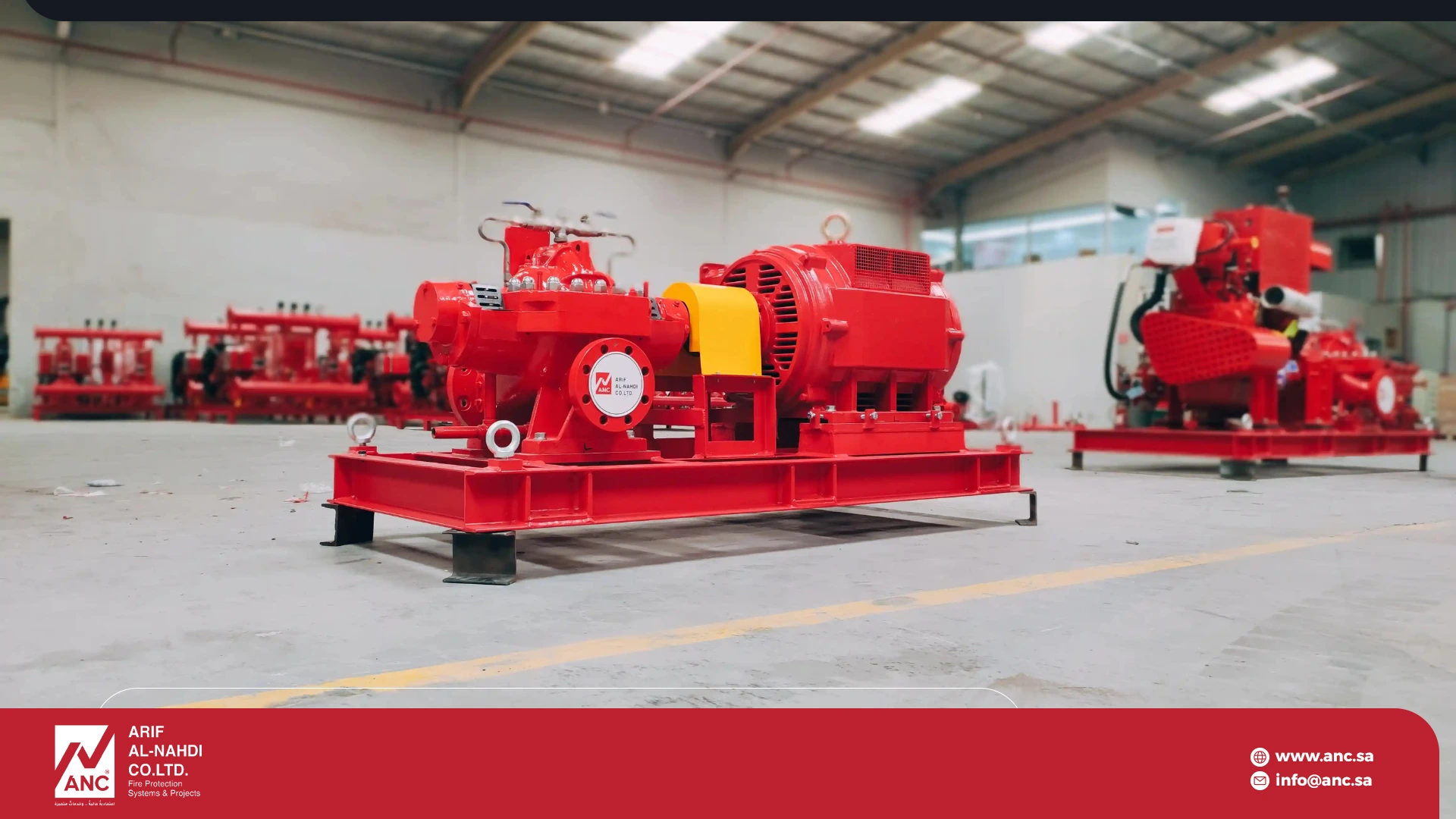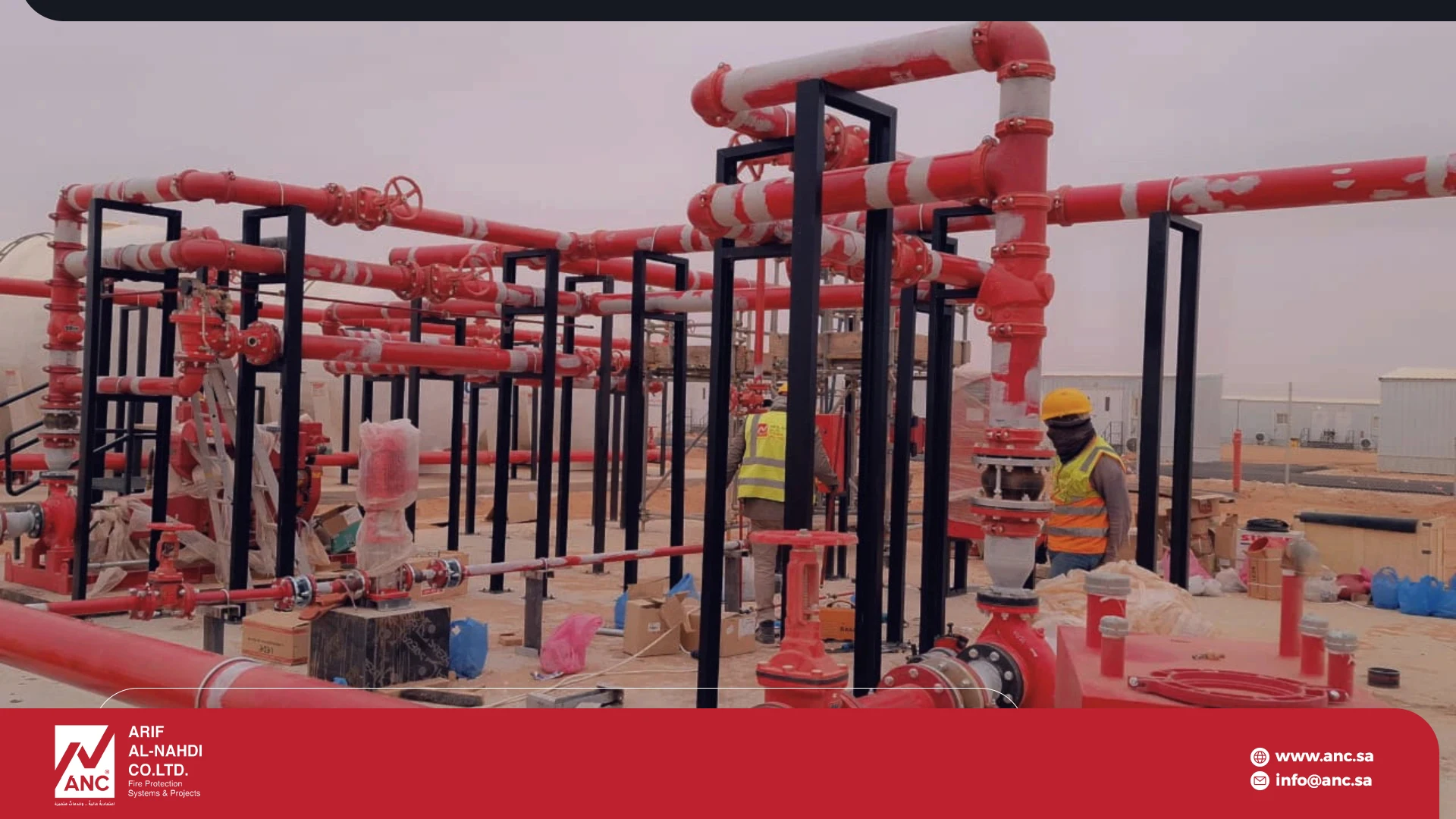

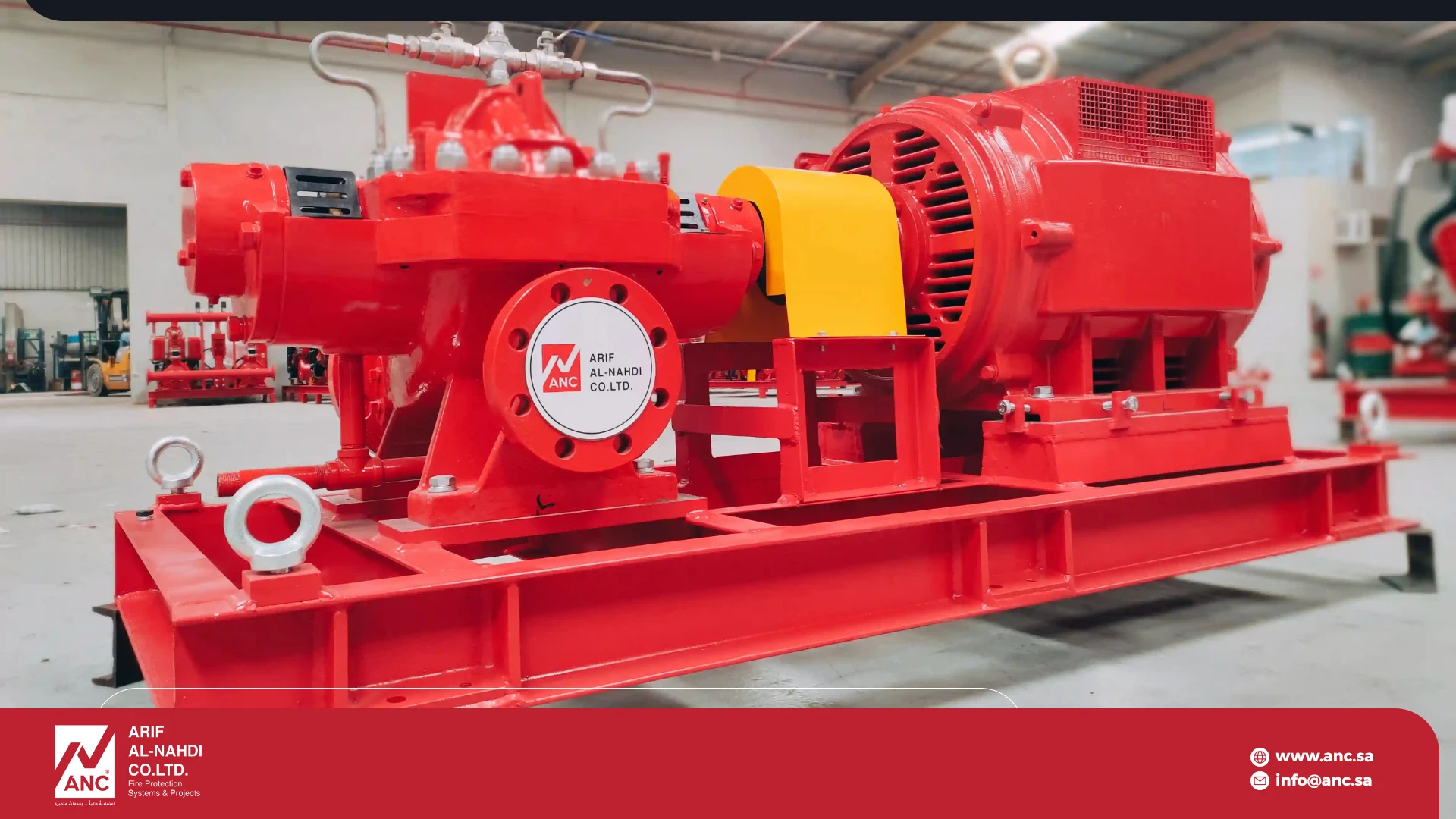
In facilities relying on diesel fire pumps as a primary defense against fires, fuel consumption is one of the key operational challenges for project owners. These pumps require constant readiness and periodic operation to ensure functionality during emergencies, making fuel efficiency a significant factor in operational costs and system reliability.
Although diesel engines are known for high capacity and reliability, improper use, neglected maintenance, or incorrect settings can lead to noticeably higher fuel consumption.
In this article, we share practical best practices and solutions from Arif Al Nahdi ANC experts to reduce fuel use in diesel pumps while maintaining top system performance and reliability according to NFPA standards and Saudi Civil Defense requirements.
Why Do Diesel Fire Pumps Consume High Fuel?
Fuel consumption in diesel fire pumps can be high due to several operational and technical factors often overlooked by facility owners. Key causes include:
1. Frequent Pump Operation Without Real Need
This usually happens when the jockey pump pressure is not set correctly, causing network pressure drops that trigger the diesel pump repeatedly, increasing fuel consumption unnecessarily.
2. Poor Maintenance and Component Wear
Neglecting routine pump maintenance may result in:
Dirty fuel filters
Engine part wear
Reduced combustion efficiency
All of which force the engine to consume more fuel to produce the same power.
3. Fuel Line Leaks
Even minor leaks in fuel lines cause significant loss over time, especially in facilities performing weekly pump tests.
4. Operating Pump at Higher Load Than Needed
Selecting a pump larger than the facility requires results in higher-than-necessary operation, increasing fuel consumption.
5. High Temperatures in Saudi Arabia
Hot weather in regions like Riyadh, Jeddah, and Dammam reduces diesel engine combustion efficiency, significantly raising fuel use.
6. Using Non-Specified Fuel
Low-quality fuel causes:
Wasteful combustion
Residue buildup inside the engine
Fuel consumption increase up to 20%
Also Read: Jockey Fire Pumps: Their Role and Importance in Maintaining System Pressure
Effects of High Fuel Consumption on Fire Pumps
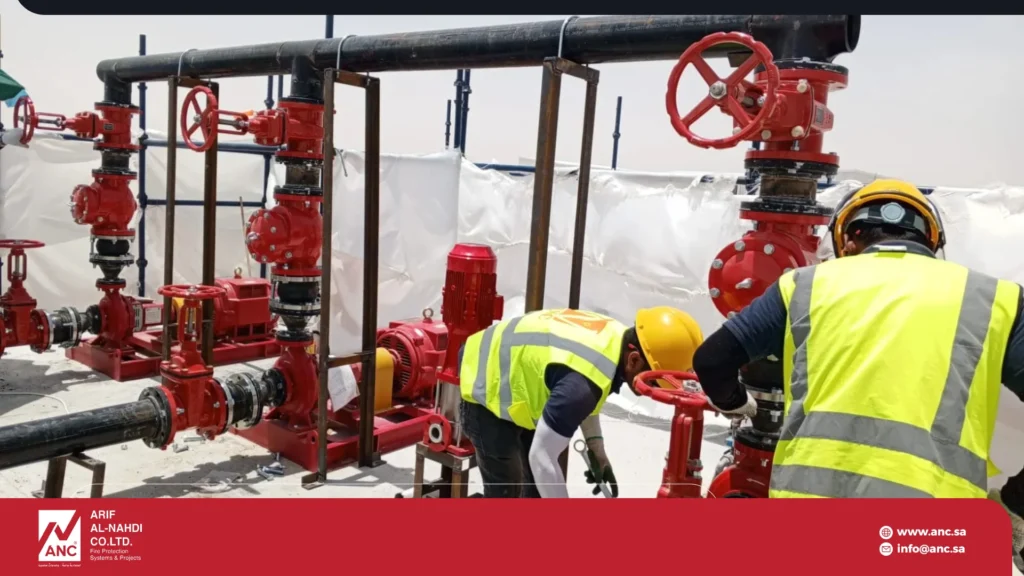
Excessive fuel use impacts not only operational costs but also pump efficiency and reliability during critical situations. Key consequences include:
Higher operational costs: Increased fuel consumption translates to higher monthly expenses, especially in facilities with regular pump testing.
Reduced engine lifespan: Running under high loads or with incomplete fuel combustion accelerates wear on internal components, shortening operational life.
Higher risk of failure during emergencies: Engines with abnormal fuel consumption are more prone to start-up failure during a fire, risking loss of control.
Higher emissions and exhaust system wear: Increased consumption raises emissions, leading to soot buildup and damage to exhaust components, increasing maintenance and cleaning costs.
How to Reduce Fuel Consumption in Diesel Fire Pumps
Reducing fuel consumption is not only a cost-saving step but also essential to ensure system readiness and enhance pump efficiency during emergencies. ANC experts recommend the following actions:
Professional Jockey Pump Adjustment: Correctly setting jockey pump pressure prevents diesel pump operation unless necessary, maintaining network pressure within NFPA standards and reducing unnecessary cycling.
Using High-Efficiency UL/FM Pumps: Internationally certified pumps offer higher efficiency, lower fuel use, and reliable emergency performance.
Regular Engine Maintenance: Key to reducing fuel waste; includes oil changes, filter cleaning/replacement, and checking glow plugs.
Ensure Fuel Quality: Using Saudi-spec fuel stored in sealed tanks prevents contamination or evaporation and improves combustion efficiency.
Improve Pump Room Ventilation: Lowering room temperature enhances diesel combustion efficiency, reducing fuel use.
Minimize and Monitor Leaks: Inspect fuel lines, tighten connections, and maintain sub-pumps to prevent unnoticed fuel loss.
Select Appropriate Pump Capacity: Oversized pumps consume more fuel without operational benefit; choose capacity based on accurate pressure and flow calculations.
Monthly Load Testing: Detects early faults, ensures correct pressure and flow, reducing engine stress and fuel consumption.
Also Read: How to Test the Effectiveness of Fire Pumps: Fire Pump Preventive Maintenance Schedule

Advanced Solutions to Reduce Diesel Fire Pump Fuel Consumption
Beyond routine maintenance and basic settings, advanced solutions can significantly improve diesel pump efficiency, especially in large industrial and commercial sites:
1. Install Smart Monitoring Systems
These systems track fuel consumption in real time, sending alerts when usage is unusually high. This helps detect early faults or hidden leaks causing significant fuel waste.
2. Add Improved Engine Cooling Systems
Enhanced cooling reduces operating temperature, improving combustion efficiency and reducing consumption. Engines running at stable temperatures operate more efficiently and use less fuel.
3. Use Smart Start/Stop Technology
Smart start/stop prevents pump operation unless necessary, reducing continuous operation periods and significantly lowering fuel consumption. This is particularly useful in sites with fluctuating pressure.
4. Adopt NFPA-Compliant Pump Room Design
Designing the pump room according to NFPA standards ensures proper airflow and prevents thermal overload. Improved airflow maintains optimal engine temperature, reducing fuel consumption and extending pump life.
How Arif Al Nahdi ANC Helps Reduce Diesel Fire Pump Fuel Consumption
ANC provides comprehensive solutions to enhance diesel fire pump efficiency and reduce fuel use, leveraging extensive experience in fire system design, operation, and maintenance in Saudi Arabia. Core services include:
Professional Jockey Pump and System Pressure Adjustment: Ensures diesel pump operation occurs only when necessary, reducing fuel use and unnecessary cycling.
Providing High-Efficiency, UL/FM-Certified Diesel Pumps: Internationally approved pumps guarantee higher efficiency and lower fuel consumption compared to conventional models.
Routine Maintenance Reducing Fuel Use by Up to 20%: Includes filter cleaning, combustion adjustment, engine inspection, and component wear correction, improving combustion efficiency.
Comprehensive Pump Room Inspection and Design Optimization: Evaluates ventilation, equipment layout, piping, and suction points to maintain ideal operating conditions, reducing thermal stress and fuel use.
Periodic Performance Reports: Detailed reports on fuel consumption, operating hours, pump efficiency, and technical notes assist clients in proactive maintenance decisions.
Ready to scale your business? Contact ANC today.