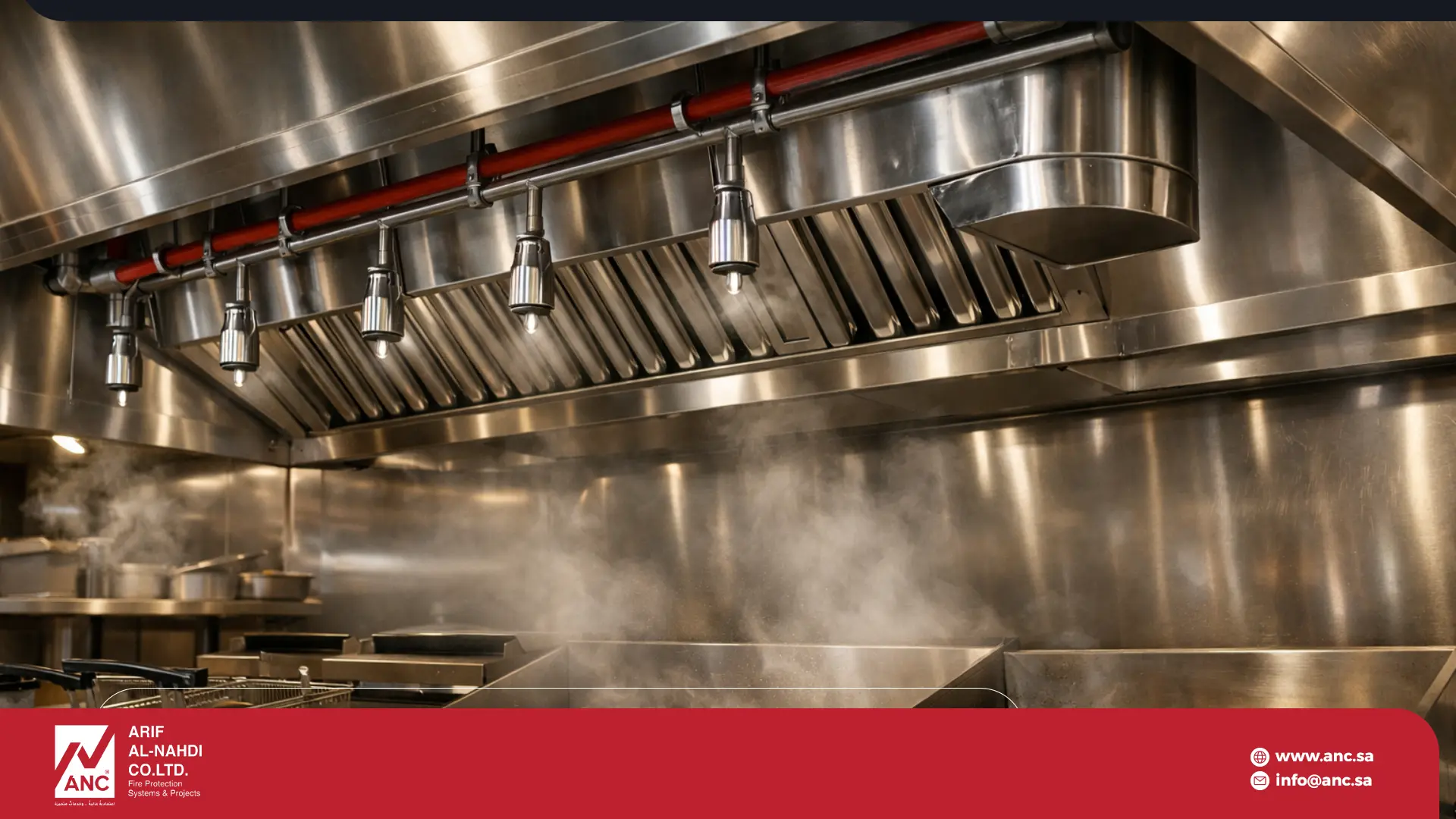

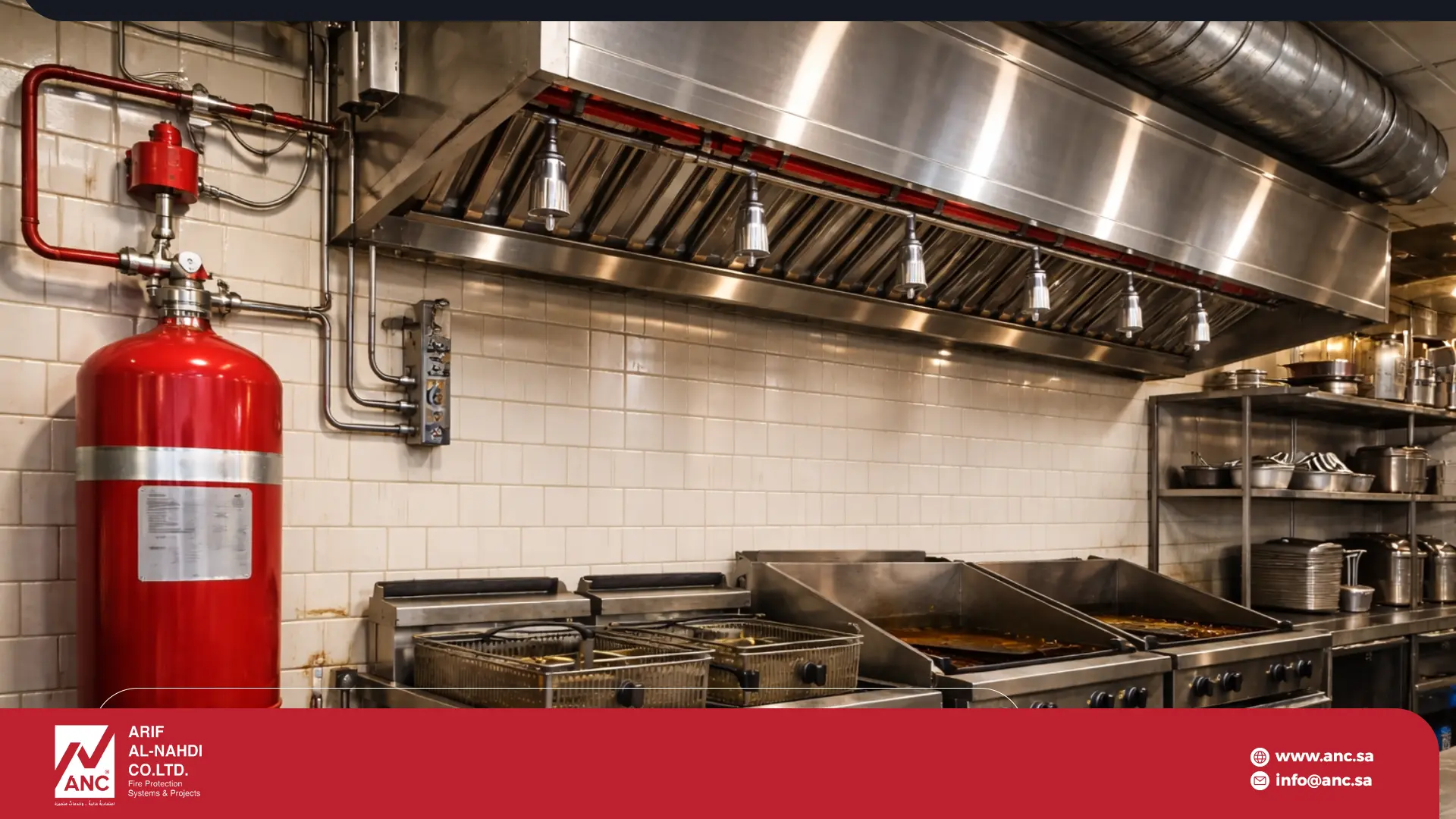
Kitchen hood fire suppression system cost is shaped by project scope, not by one product label or one piece of equipment. If you are trying to budget for a new kitchen, a retrofit, or a quotation review, the key point is simple: price changes when the hood layout, appliance line-up, control method, installation complexity, and documentation requirements change.
A restaurant frying line, a hotel production kitchen, a hospital kitchen, and a light-duty niche setup do not create the same protection scope or quotation basis.
For you as a buyer, the practical goal is not to find a random benchmark. It is to understand what increases or reduces the scope behind the quote.
Kitchen Hood Fire Suppression System Cost: What Changes The Price?
Cost Factor | Why It Changes Price | Lower-Complexity Case | Higher-Complexity Case |
Hood And Appliance Layout | More protected appliances and zones usually mean broader system scope | Shorter, simpler cooking line | Longer hood with multiple appliance hazards |
Control Method | Mechanical and electrical systems do not create the same scope | Direct mechanical actuation | Electrical control with broader coordination |
Shutdown Integration | Gas shut-off and equipment control add coordination and components | Minimal shutdown scope | Integrated gas and equipment shutdown |
Duct / Exhaust Conditions | Associated duct and exhaust protection can expand the scope | Easier new-build routing | Complex existing exhaust path or constrained retrofit |
Installation Environment | Access and coordination affect labor and execution effort | Open new-build conditions | Tight retrofit or active kitchen environment |
Documentation And Handover | Technical review, submittals, and project coordination affect the total quotation | Simple supply request | Documentation-heavy project path |
Need help understanding which scope items are increasing your quote? Send us your kitchen layout and appliance list at ANC, and we can review the quotation basis before you compare prices.
Why Does Commercial Kitchen Hood Fire Suppression System Pricing Usually Involve More Variables?
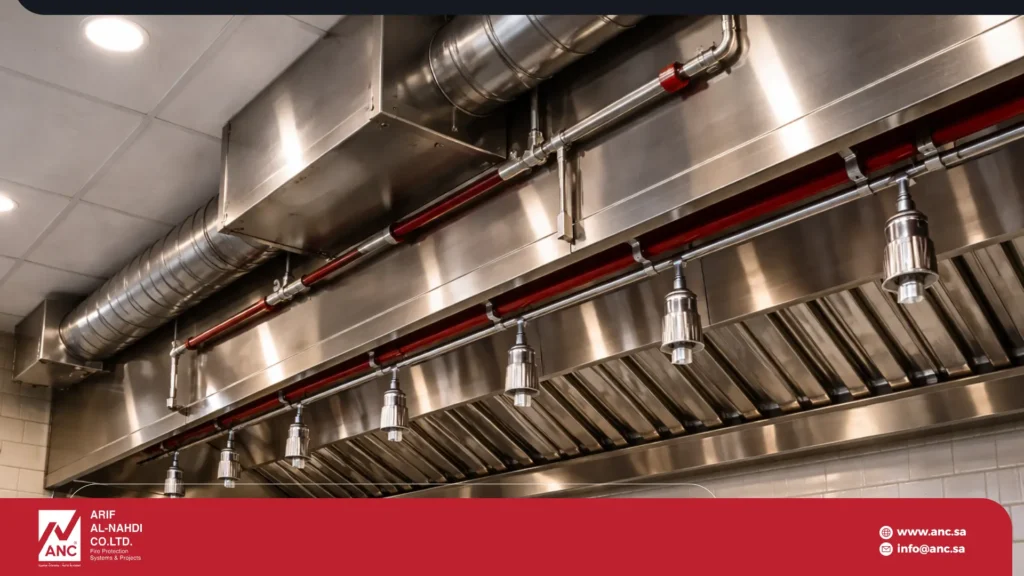
Commercial kitchen hood fire suppression system pricing usually carries more variables because commercial projects involve more than a hood and a cylinder.
NFPA states that NFPA 96 provides preventive and operative fire safety requirements intended to reduce the fire hazard of public and private commercial cooking operations.
That commercial focus matters because the operating environment, hazard level, and coordination path are broader than a simple equipment purchase.
In practical terms, commercial kitchen hood fire suppression systems often involve protected appliances, hood plenum areas, associated duct sections, and a clearer expectation around release logic, shutdown behavior, installation coordination, and project documentation.
So when a commercial quote comes back higher than expected, the reason is often not “the same system but more expensive.” It is usually that the commercial scope is broader and more coordinated than the buyer first assumed.
How Does Residential Kitchen Hood Fire Suppression System Scope Differ From Commercial Applications?
A residential kitchen hood fire suppression system should not be priced automatically like a restaurant system.
This matters because the commercial standards path is different. NFPA says NFPA 96 applies to public and private commercial cooking operations, and secondary standards guidance explains that standard single-family dwelling cooking setups are outside that normal commercial application path.
So when you compare residential kitchen hood fire suppression with commercial scope, treat residential as a case-by-case buying context rather than as a simplified restaurant quote. A residential inquiry may still need technical review, but it should not inherit commercial assumptions automatically.
For you, the practical takeaway is this: do not copy a restaurant quotation model into a residential request. Start with the actual kitchen type, use case, and project context first.
What Increases The Cost Of Commercial Kitchen Exhaust Hood Fire Suppression Projects?
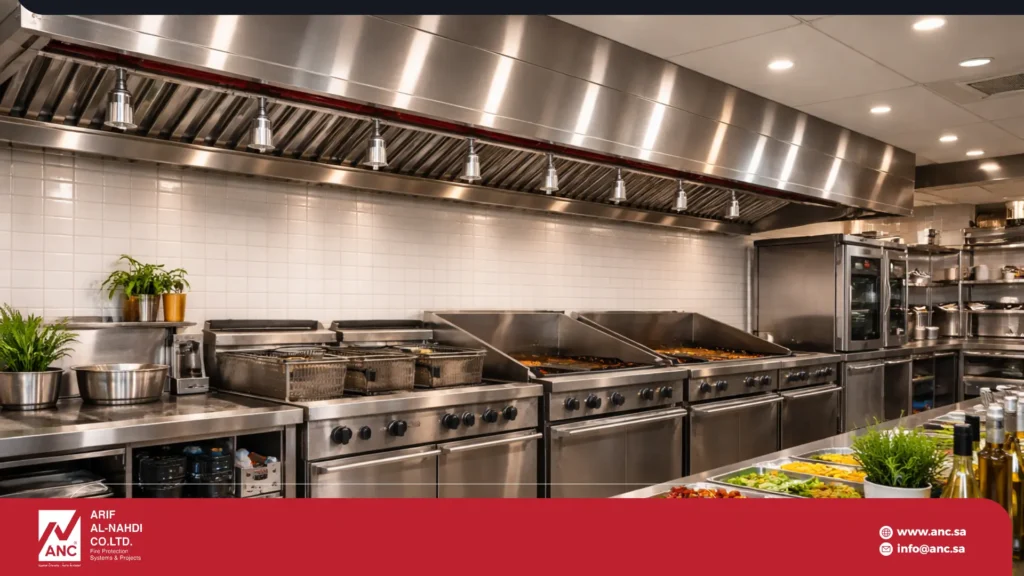
Commercial kitchen exhaust hood fire suppression becomes more expensive when the exhaust path, protected areas, and installation conditions become more demanding.
A broader kitchen exhaust hood fire suppression scope may include a larger hood, more appliance hazards, more complex duct-related protection, tighter installation access, and harder coordination with gas or electrical shutdowns.
Retrofits can also raise the scope. A new-build environment usually gives cleaner access and coordination. An existing active kitchen may require more constrained routing, service disruption planning, or coordination with already-installed equipment.
That is why two kitchens with similar cooking output can still receive very different quotes.
How Does Automatic Kitchen Hood Fire Suppression System Choice Affect Total Project Cost?
An automatic kitchen hood fire suppression system is not priced only by the suppression agent hardware. The control path also changes the budget.
The mechanically controlled system is described as an electricity-free protection path for grease and oil fires, while the electrically controlled system is described as supporting automatic detection and suppression with gas shut-off and equipment control integration.
That difference alone shows why one automatic path may carry broader project scope than another.
So when you compare automatic kitchen hood fire suppression, do not frame the discussion as “which is better.” Frame it as “which system path matches the kitchen and the required coordination.”
Mechanical Vs Electrical Control And Budget Impact
Comparison Point | Mechanical Control | Electrical Control |
Main Cost Logic | Direct actuation path | Broader control and integration path |
Electrical Dependency | Lower | Higher |
Integration Scope | Usually simpler | Can expand with gas shut-off and equipment control |
Best Budget Fit | Projects prioritizing a more direct non-electric path | Projects needing wider coordination and system logic |
If you are unsure whether the control path is affecting your budget appropriately, ask us at ANC for a scope review before you accept the quotation.
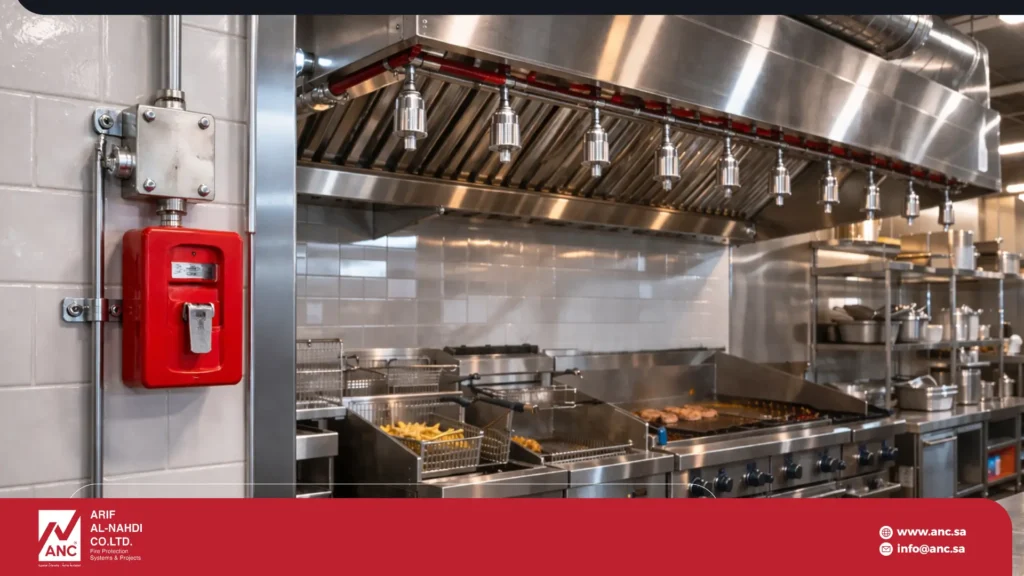
Why Can Automatic Kitchen Hood Fire Suppression Add Value Beyond Basic Equipment Cost?
A lower equipment price does not always mean better value. With automatic kitchen hood fire suppression, value comes from the fit between the system and the kitchen, the quality of shutdown coordination, the installation readiness, and the documentation path.
Saudi projects also sit within the Saudi Building Code environment, and the official 2024 code library lists SBC 801 as the Saudi Fire Protection Code.
That broader code environment affects what “good value” really means in a project, because compliance-related scope may matter as much as the base unit price.
For you, this means the best quotation is not always the cheapest line item. It is the one that reflects the right scope with the fewest hidden omissions.
What Is Included In Kitchen Hood Fire Suppression System Price Quotes?
Kitchen hood fire suppression system price quotes can look similar on the surface while covering very different scopes underneath.
A stronger quote usually makes clear whether it includes:
- the suppression equipment itself,
- the control or release path,
- installation labor,
- shutdown interfaces,
- testing or commissioning scope,
- documentation or submittals,
- and any after-sales or support items where applicable.
That is why a fire suppression kitchen hood system quote should never be judged by headline price alone. Some quotations are supply-only. Others include installation, coordination, and handover-related scope. If you compare them without checking the inclusion list, the cheaper quote may simply be missing part of the project.
If you want quote clarity before you commit, we at ANC can review your current offer and help you identify what is included, what is excluded, and what still needs confirmation.
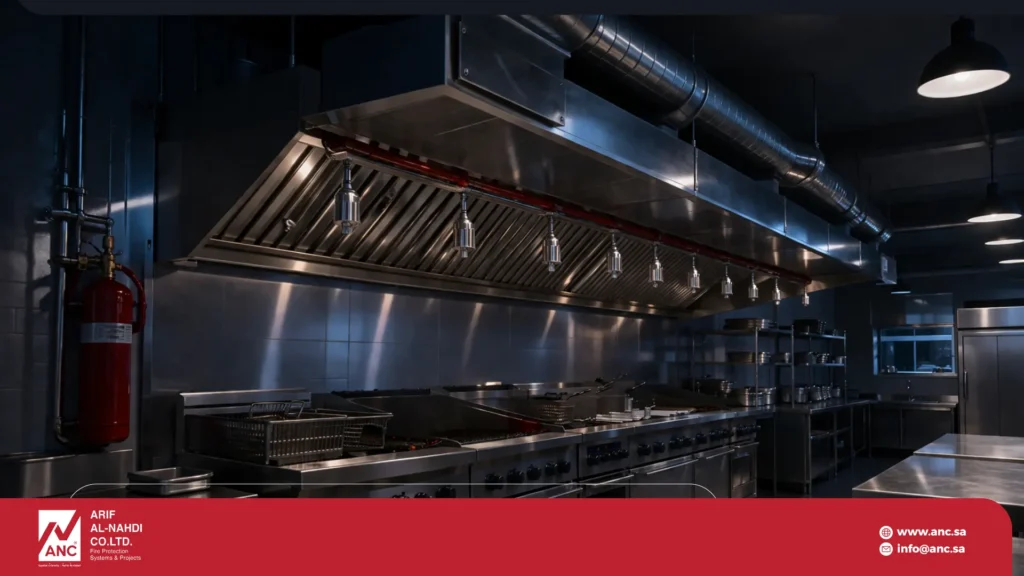
How Should Buyers Compare Commercial Kitchen Hood Fire Suppression Systems Before Accepting A Quote?
Before you accept a price, compare commercial kitchen hood fire suppression systems using a shortlist framework.
Check:
- protected scope,
- control method,
- shutdown coordination,
- installation complexity,
- documentation quality,
- testing path,
- and after-sales support.
This matters because the right system depends on the kitchen type, appliance profile, shutdown requirements, and selected control path, not on a generic “best price” claim.
A neutral buying rule helps here: compare the full scope before you compare the numbers.
What Project Details Matter Most When Pricing Fire Suppression Kitchen Hood Work?
Pricing fire suppression kitchen hood work accurately depends on the quality of your inputs.
Before you request a quote for a fire suppression system for kitchen hood, prepare:
- kitchen type,
- hood dimensions,
- appliance list,
- fuel source,
- new build or retrofit status,
- required shutdowns,
- drawings if available,
- and whether you need supply only or supply with installation.
Missing details increase pricing uncertainty. Better inputs usually produce a cleaner quotation and fewer revisions later.
What To Include In A Kitchen Hood Suppression RFQ For Accurate Pricing
RFQ Item | Why It Matters |
Kitchen Type | Helps define hazard profile and likely scope |
Hood Dimensions | Affects the protected area and system arrangement |
Appliance List | Clarifies the real cooking hazard under the hood |
Fuel Source | Influences shutdown and coordination needs |
New Build Or Retrofit | Changes installation complexity |
Required Shutdowns | Affects control and integration scope |
Drawings / Layout | Improves technical review and quote accuracy |
Supply Only Or Installed Scope | Prevents misleading quote comparisons |
Send these details to ANC and we can provide a more useful review instead of a generic budget guess.
How Do You Get An Accurate Quote For A Fire Suppression System For Kitchen Hood In KSA?
To get an accurate quote for a fire suppression system for kitchen hood in KSA, do not start with “What is your best price?” Start with the project facts.
Share the hood layout, appliance list, kitchen type, control preference if known, shutdown requirements, and whether the request is for supply only or supply with installation. That is the fastest way to turn a vague inquiry into a usable quotation.
If you compare quotations without that technical basis, you may only be comparing different assumptions.
At ANC, we take a consultative approach. We can review the kitchen scope, clarify which items are affecting the budget, and provide quotation support based on your actual project conditions.
Conclusion
Kitchen hood fire suppression system cost is driven by scope, not by guesswork. If you understand how hood layout, appliance profile, control method, shutdown integration, installation environment, and documentation requirements affect the budget, you will make better decisions and compare quotations more accurately.
That matters even more when you are weighing commercial and residential-like contexts, supply-only vs installed scope, or mechanical vs electrical control paths.
If you are ready to move from rough pricing to a real quotation, contact ANC for a technical review. Send us your hood layout, appliance list, required scope, and site details, and we will help you build a more accurate pricing path.
FAQs about Kitchen Hood Fire Suppression System Cost
1-How Much Does A Kitchen Hood Fire Suppression System Cost In Saudi Arabia?
There is no responsible single price for every case. Cost depends on whether the scope is commercial or residential-like, whether the quote is supply-only or includes installation, the control method, the shutdown requirements, and the complexity of hood, appliance, and duct protection.
2-What Factors Affect The Price Of A Kitchen Hood Fire Suppression System?
The main factors are protected scope, hood and appliance layout, control type, exhaust and duct-related complexity, installation access, documentation requirements, and whether testing, commissioning, or after-sales support are included.
3-Is There A Cost Difference Between Residential And Commercial Kitchen Hood Systems?
Usually yes. Commercial kitchens sit within a different operating and standards context and often involve broader protection and coordination scope. Residential scenarios should be treated case by case rather than priced as if they were standard restaurant installations.
4-What Is Typically Included In The Price Of A Kitchen Hood Fire Suppression System?
A quote may include the suppression equipment, the control or release path, installation labor, shutdown integration, testing or commissioning scope, and documentation. Some quotations include only supply, while others include full installation support.
5-How Do I Get An Accurate Quote For A Kitchen Hood Suppression System In KSA?
Provide hood dimensions, appliance list, fuel source, kitchen type, new build or retrofit status, required shutdown logic, and whether you need supply only or supply with installation. The more complete the input, the more accurate the quotation will be.
6-What Is The Cost Difference Between Supply-Only And Supply-With-Installation?
Supply-only pricing covers the equipment package. Supply-with-installation usually adds labor, coordination, fitting, shutdown integration, and testing-related scope. That is why two quotes can differ sharply even when the base system appears similar.