

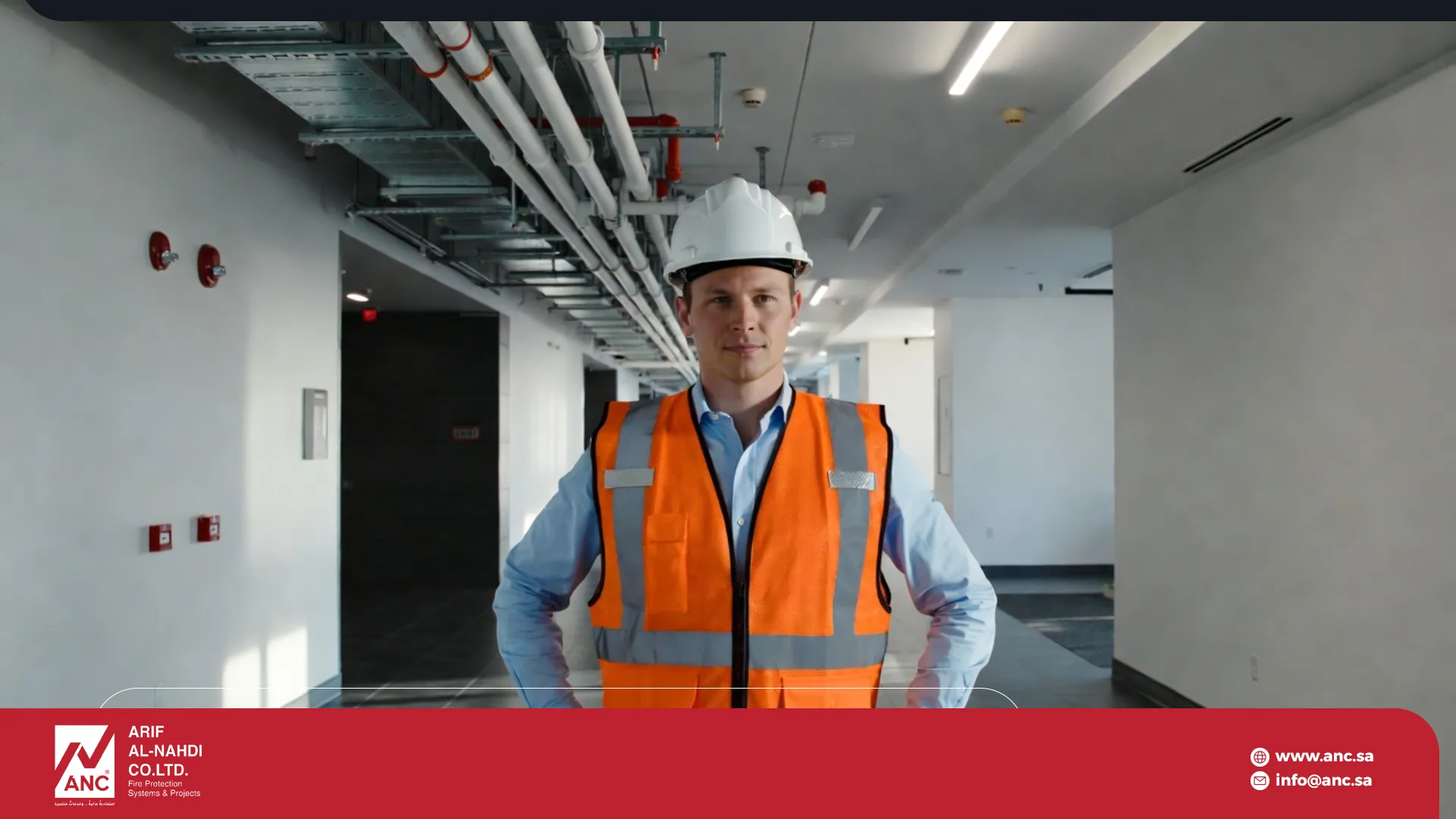
Fire safety is one of the most critical elements in modern building and industrial facility design. Fires can spread rapidly if they are not detected and controlled at an early stage, which is why buildings rely on integrated fire protection systems to reduce risks and improve emergency response.
This guide explains what a fire protection system is, how active and passive protection systems work, key design considerations, and where these solutions are commonly used in commercial and industrial environments.
What Is a Fire Protection System?
A fire protection system is a combination of technologies, equipment, and structural safety measures designed to detect fires, alert occupants, and control or suppress fire incidents.
When discussing what is fire protection system, it is important to understand that these systems are not limited to a single device or technology. Instead, they involve multiple integrated solutions that work together to improve fire safety.
Fire protection systems are commonly installed in:
- Commercial buildings
- Industrial facilities
- Warehouses and logistics centers
- Hospitals and healthcare facilities
- Residential complexes
Most modern buildings use several fire protection systems together to create a comprehensive fire safety strategy.
These systems generally fall into two categories:
- Systems that actively detect and fight fires
- Systems that prevent fire and smoke from spreading within the building
Together, these approaches create a layered fire protection strategy that improves safety and emergency response effectiveness.
Why Fire Protection Systems Are Essential
Effective fire protection plays a vital role in reducing risks in modern infrastructure. Fires can cause severe damage to buildings, disrupt operations, and endanger human lives if they are not properly controlled.
A well-designed fire protection system helps minimize these risks by detecting fires early and controlling their spread.
Key benefits of installing fire protection systems:
- Early detection of fire hazards
- Improved safety for building occupants
- Reduced structural and property damage
- Compliance with fire safety regulations
- Protection of valuable equipment and assets
These systems are especially important in large facilities where fire hazards may increase due to complex operations, electrical systems, or high equipment density.
Active Fire Protection Systems
An active fire protection system refers to systems that require activation to detect or control fires. These systems use mechanical or electrical components that respond automatically or manually during fire emergencies.
Active systems are designed to detect fire conditions, alert occupants, and initiate suppression measures.
Common Active Fire Protection Systems
Examples of active fire protection systems:
- Fire alarm and detection systems
- Fire sprinkler systems
- Fire suppression systems
- Fire hydrant systems
- Fire pumps and water supply systems
These systems typically activate automatically when sensors detect smoke, heat, or flames. In some cases, trained personnel can also activate them manually.
Active fire protection plays a crucial role in controlling fires quickly and limiting damage.
Passive Fire Protection Systems
A passive fire protection system focuses on preventing the spread of fire and smoke through buildings.
Unlike active systems, passive systems do not require activation or mechanical operation. Instead, they are integrated into the building structure and work continuously to contain fires within specific areas.
These systems help slow fire spread and provide additional time for evacuation and emergency response.
Examples of Passive Fire Protection
Common passive fire protection systems include:
- Fire-resistant walls and floors
- Fire-rated doors
- Fire-resistant coatings and structural materials
- Firestopping systems for cable and pipe penetrations
- Compartmentation systems that divide buildings into fire-resistant sections
These solutions are often incorporated during the construction phase to improve the building’s overall fire safety performance.
Also Read: Fire Systems in Buildings: Types, Design & Maintenance Guide
Active vs Passive Fire Protection Systems
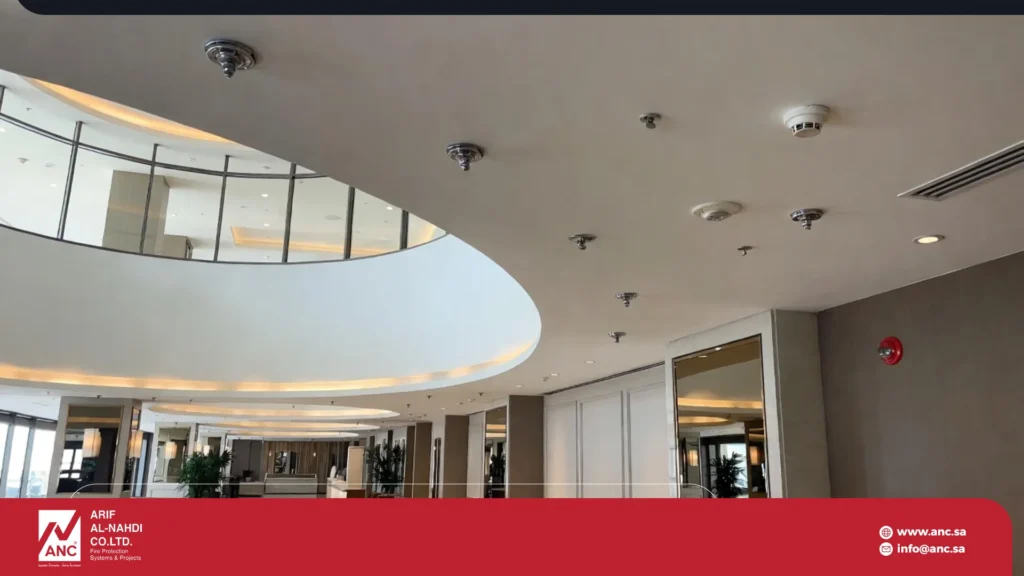
Both active and passive protection approaches are essential for comprehensive fire safety.
Active systems focus on detecting and suppressing fires, while passive systems focus on containing fire and preventing its spread throughout the building.
Examples of active protection:
- Fire alarms
- Sprinkler systems
- Fire suppression systems
Examples of passive protection include:
- Fire-rated walls
- Fire-resistant building materials
- Compartmentation systems
Modern buildings rely on both active fire protection systems and passive fire protection systems to create a layered defense against fire hazards.
Fire Protection System Design Considerations
Designing an effective fire protection system requires careful engineering evaluation and planning.
Fire protection engineers analyze several factors to ensure that the system provides adequate safety coverage.
Important fire protection system design considerations:
- Building occupancy type and fire hazard classification
- Total building size and number of floors
- Water supply availability and capacity
- Integration between different fire safety systems
- Compliance with fire protection codes and standards
Proper system design ensures that all fire protection components work together efficiently to detect and control fire incidents.
Industrial Fire Protection Systems
Industrial environments often present higher fire risks compared to standard commercial buildings.
Factories, warehouses, manufacturing plants, and power facilities may contain combustible materials, heavy machinery, and high-energy processes that increase the potential for fire incidents.
For this reason, industrial fire protection systems are typically designed to handle larger and more complex fire hazards.
Common industrial fire protection solutions include:
- High-capacity sprinkler systems
- Industrial fire suppression systems
- Foam-based fire protection systems
- Fire hydrant networks
- Advanced fire detection systems
These specialized systems are designed to manage large-scale fire risks and support emergency firefighting operations in industrial facilities.
Fire Protection System Installation and Integration
Installing fire protection systems requires coordination between engineers, contractors, and safety professionals.
The installation process usually begins with a fire risk assessment to determine the required level of protection.
After the design phase, equipment is installed throughout the building and integrated into a centralized monitoring system.
Typical installation stages include:
- Fire safety assessment and planning
- System design and engineering
- Equipment installation and infrastructure setup
- Integration with alarm and monitoring systems
- System testing and commissioning
Proper installation ensures that the fire protection system performs reliably during emergency situations.
Fire Protection System Maintenance and Inspection
Even the most advanced fire protection systems require regular inspection and maintenance.
Without proper servicing, system components may deteriorate or fail when they are needed most.
Routine maintenance programs typically:
- Inspecting fire alarm and detection systems
- Testing sprinkler and suppression systems
- Verifying fire pump performance
- Checking valves and water supply infrastructure
- Ensuring passive fire protection features remain intact
Regular inspections help ensure that fire protection systems remain fully operational and ready for emergency use.
Also Read: Fire Hydrant System: Types, Parts, Installation & NFPA Standards
Choosing the Right Fire Protection Provider
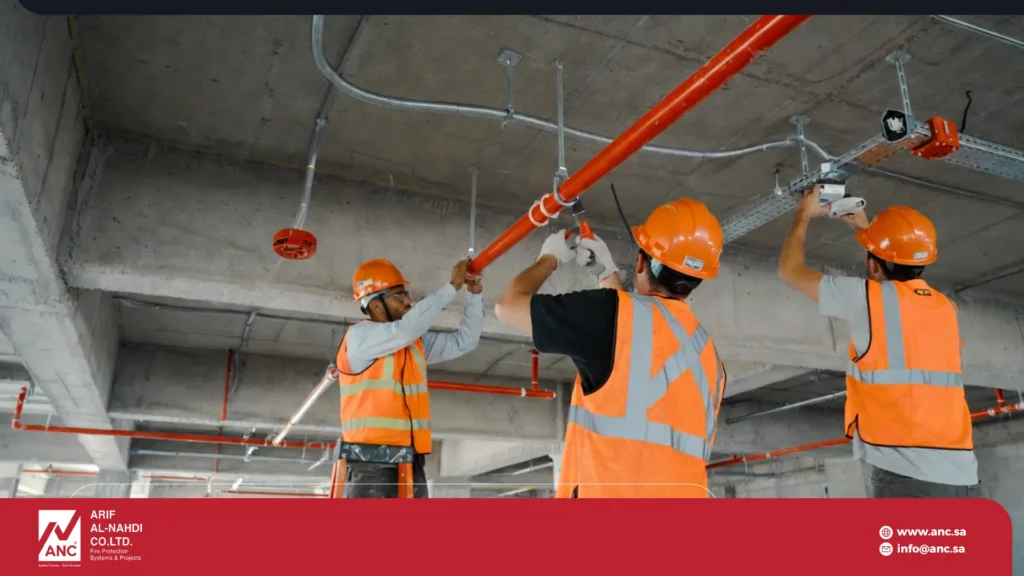
Selecting an experienced fire protection provider is an important step when implementing or upgrading a fire safety system.
Professional fire protection companies can assist with:
- Fire protection engineering and system design
- Equipment supply and system integration
- Professional installation services
- Testing and commissioning
- Long-term maintenance and inspection programs
Working with qualified specialists helps ensure that fire protection systems meet safety requirements and perform effectively when needed.
Request a Fire Protection System Consultation
If you are planning a new construction project or upgrading an existing facility, consulting fire protection specialists can help you determine the most suitable fire protection system for your building.
A professional consultation can include system evaluation, equipment recommendations, and installation planning.
Information that may help prepare a proposal includes:
- Building type
- Facility size and layout
- Project location
- Type of fire protection systems required
- Required services such as design, installation, or maintenance
Professional guidance helps ensure that your facility receives a reliable and effective fire safety solution.
FAQs About Fire Protection Systems
1- What is fire protection?
Fire protection refers to systems and safety measures designed to detect, control, and prevent the spread of fire in buildings and facilities.
2- What is the difference between active and passive fire protection?
An active fire protection system detects or suppresses fires using mechanical or electrical systems such as alarms, sprinklers, or suppression systems.
A passive fire protection system prevents fire from spreading by using fire-resistant construction materials and structural design features.
3- What are examples of passive fire protection?
Examples include fire-rated walls, fire-resistant doors, fire-resistant coatings, and firestopping systems that prevent fire from spreading through structural openings.
4- How is a fire protection system designed?
Fire protection system design involves evaluating building risks, determining protection requirements, selecting appropriate equipment, and ensuring compliance with fire safety standards.
5- What fire protection systems are used in industrial facilities?
Industrial fire protection systems often include high-capacity sprinkler systems, fire suppression systems, hydrant networks, fire pumps, and advanced fire detection systems to manage large-scale fire risks.
