A kitchen hood fire suppression system is a fixed fire protection system designed for commercial cooking hazards under the hood, in the duct, and around protected appliances.
If you run a restaurant, hotel kitchen, hospital kitchen, or central kitchen, this matters because grease, oil, and high-heat cooking equipment create risks that portable-only protection cannot cover effectively.
This also answers what is kitchen hood fire suppression system in practical terms: it is a system built to detect a hazard, activate, discharge the suppression agent, and isolate the source of risk where required.
That is why kitchen hood fire suppression should be treated as a dedicated engineered solution, not something added late in fit-out.
If you want to move from a general inquiry to a real project decision, contact ANC for pricing, technical review, or execution support based on your kitchen layout and appliance line-up.
Why Wet Chemical Kitchen Hood Fire Suppression System Is The Standard Path?
A wet chemical kitchen hood fire suppression system is the standard path because cooking-oil and grease fires need a suppression method designed for that hazard.
In simple terms, the system is intended to discharge an agent suited to commercial cooking equipment, hood plenum areas, and duct-related risks. The goal is not only flame control, but also reducing re-ignition risk after discharge.
So when you evaluate a kitchen hood fire suppression system, do not focus only on the cylinder or nozzles. Focus on whether the system is actually suitable for commercial kitchen grease hazards and whether the control path fits your project.
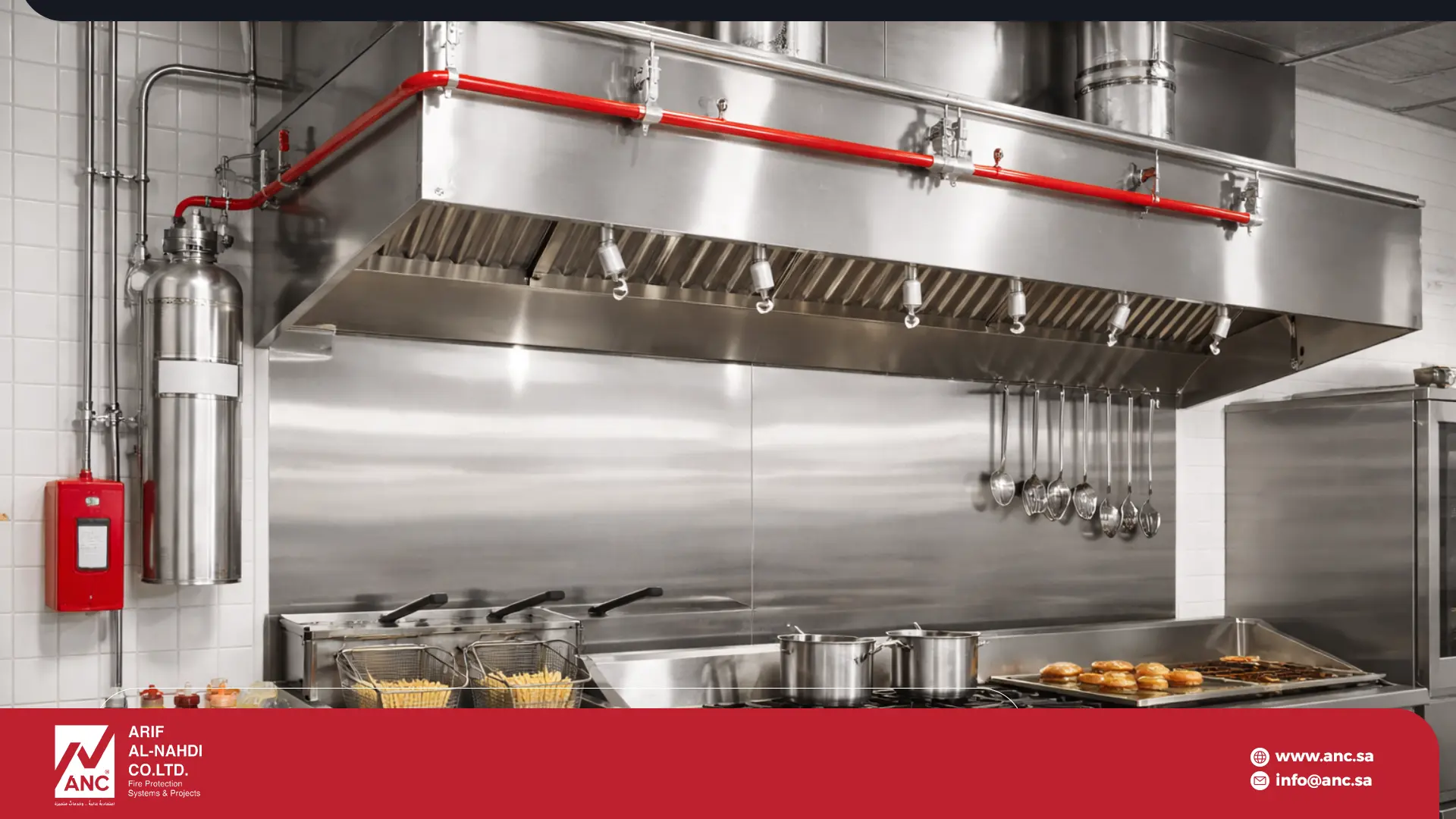
How Mechanical Kitchen Fire Suppression System Works?
A mechanical kitchen fire suppression system uses a direct mechanical release path instead of depending mainly on an electrical control panel.
This makes it suitable when you want a simpler, direct actuation method under a commercial hood. The real decision is whether your kitchen operation, shutdown needs, and control philosophy fit that approach.
A mechanical option can be a strong fit when you want direct actuation without broader control-panel-based logic.
How Electrical Kitchen Fire Suppression System Works?
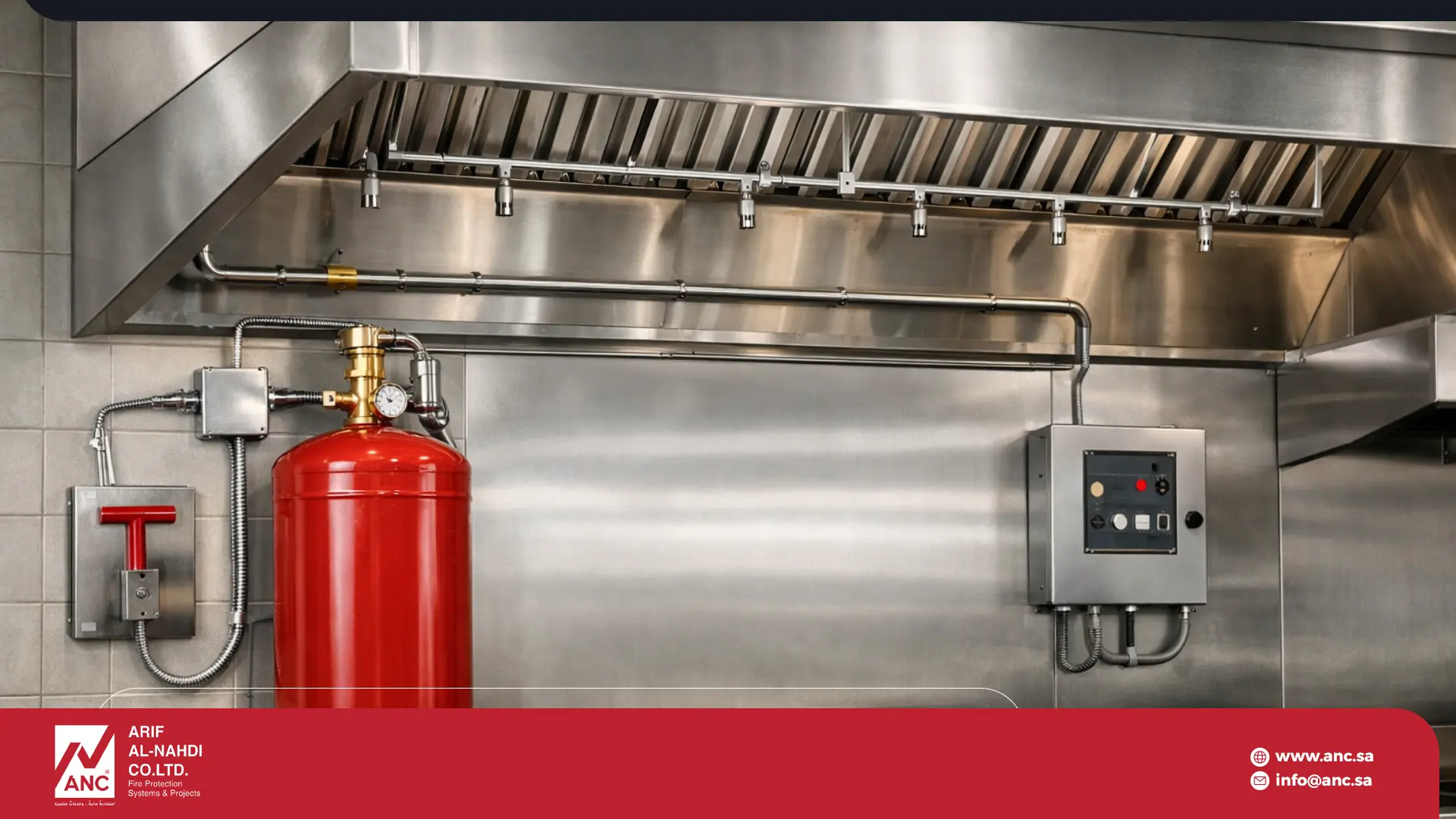
An electrical kitchen fire suppression system uses detector and control logic to manage activation and related shutdown functions.
This does not automatically make it better than a mechanical system. It simply means it may suit projects that need wider shutdown coordination or a more integrated control approach.
For you, the choice between mechanical and electrical should depend on the kitchen operation, appliance line-up, shutdown requirements, and project design path.
Mechanical Kitchen Fire Suppression System Vs Electrical Kitchen Fire Suppression System
Comparison Point | Mechanical Kitchen Fire Suppression System | Electrical Kitchen Fire Suppression System |
Main Control Path | Direct mechanical actuation | Detector and control logic |
Electrical Dependency | Lower | Higher |
Shutdown Integration | More direct, depending on setup | Better for wider integrated shutdown logic |
Best-Fit Kitchens | Kitchens preferring non-electric actuation | Kitchens needing broader coordination |
Maintenance Focus | Mechanical release path and operating parts | Suppression hardware and control-related components |
There is no universal winner. The right choice depends on your kitchen type, project documents, and operating priorities.
If you need help deciding, ask ANC for a technical comparison, quotation, or design review based on your actual kitchen scope.
What Components Are Included In A Kitchen Hood Fire Extinguishing System?
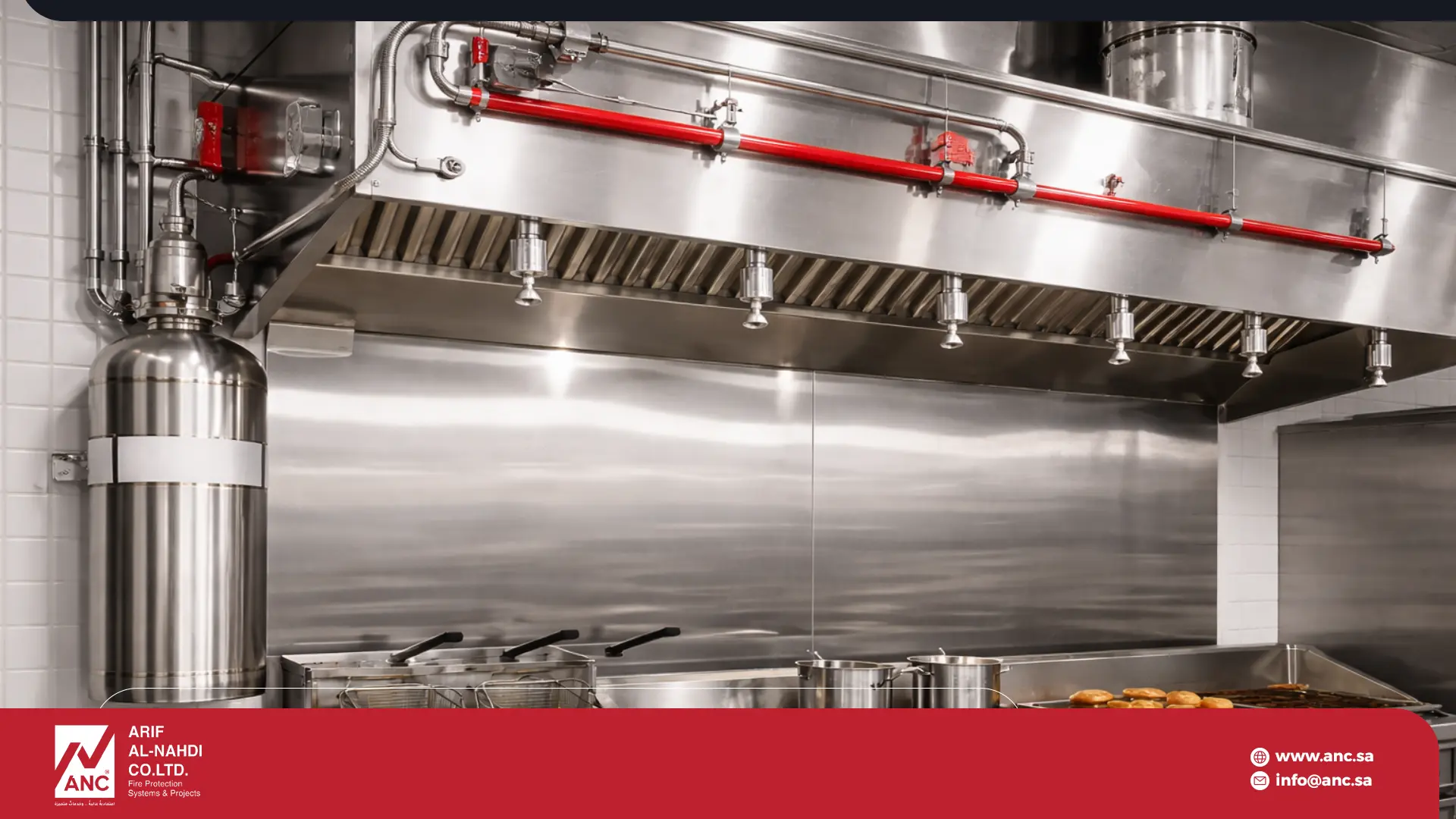
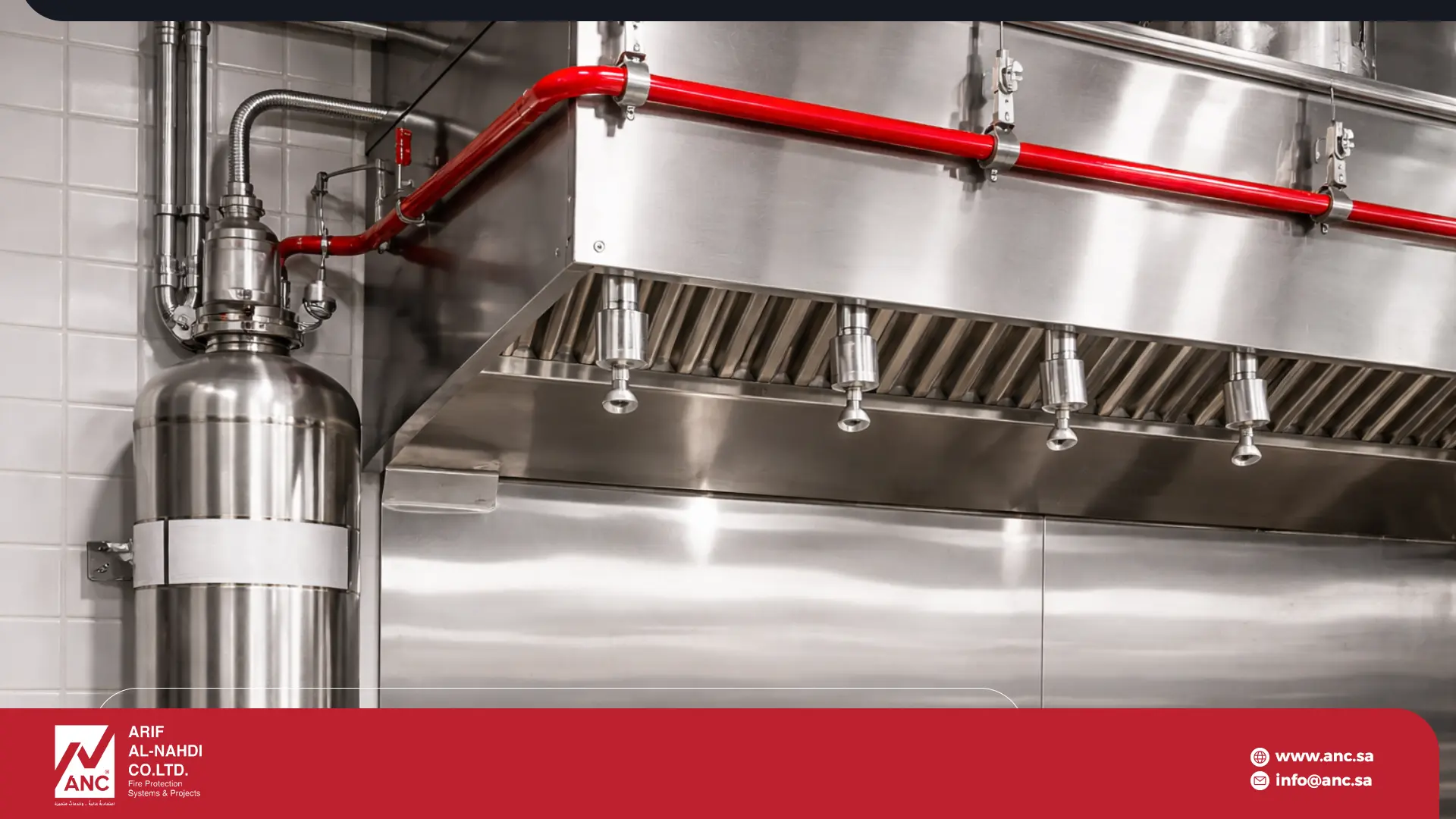
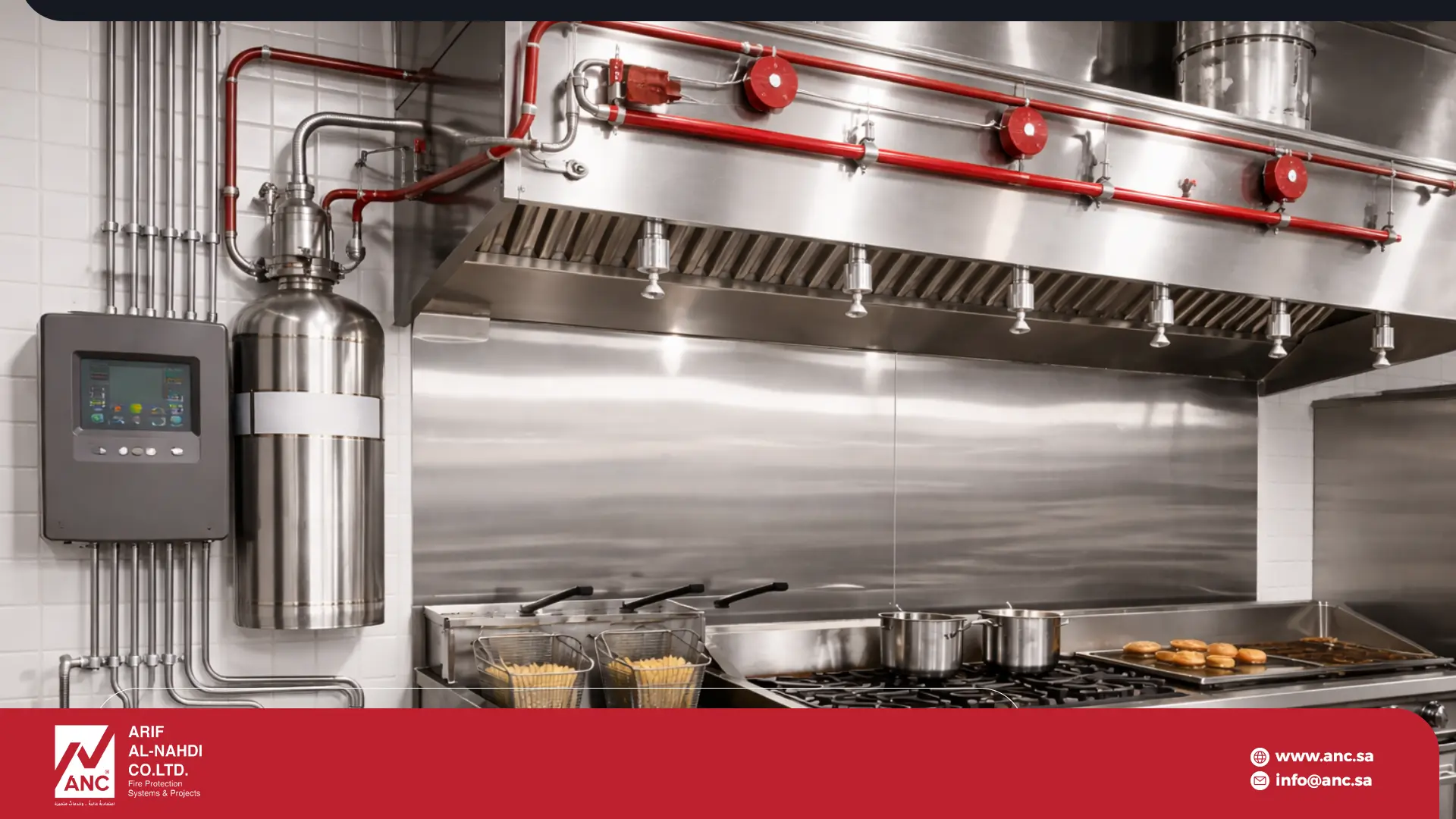
A kitchen hood fire extinguishing system includes a group of working components, not one standalone device.
Typical components include:
- Agent cylinder or container
- Nozzles
- Detection or release elements
- Distribution piping
- Manual release
- Shutdown interfaces
The exact arrangement depends on whether the selected kitchen hood fire system is mechanical or electrical. What matters is how the full system works together, not just one visible component.
How Does Fire Suppression System In Kitchen Hood Work?
A fire suppression system in kitchen hood works through a sequence.
First, the system detects the hazard or is activated. Then it discharges the wet chemical agent through the nozzles to the protected hood, duct, and appliance areas. After that, it supports the required shutdown path where applicable.
This is also why a kitchen hood with fire suppression system is a project decision, not only a product decision. Performance depends on correct design, proper installation, and ongoing inspection and maintenance.
What Affects Kitchen Hood Fire Suppression System Design?
Kitchen hood fire suppression system design depends on the real kitchen setup, not just hood length.
Key inputs include:
- Appliance line-up
- Cooking process and grease load
- Hood size and protected areas
- Duct path
- Fuel type
- Gas or electrical shutdown requirements
- Mechanical vs electrical control preference
- New build vs retrofit conditions
- Consultant and authority requirements
Many projects lose time because pricing is requested before the provider knows the appliance layout, shutdown needs, or whether the project is new, existing, or being expanded.
If you want clearer pricing and fewer assumptions, let ANC review your kitchen layout, appliance schedule, and shutdown needs before final commercial discussions.
What Should A Kitchen Hood Fire Suppression System Design Pdf Include?
A kitchen hood fire suppression system design pdf should help confirm the project scope before approval or quotation.
A practical package should include:
- Hood layout
- Appliance schedule
- Protected zones
- Nozzle references
- Control method
- Shutdown requirements
- Equipment data if available
- Project location
- Whether the project is new build, retrofit, expansion, or replacement
A kitchen hood fire suppression system pdf is useful when it helps reduce vague pricing, missing scope items, and technical assumptions.
What To Expect During Kitchen Hood Fire Suppression System Installation?
Kitchen hood fire suppression system installation should be treated as a coordinated project stage, not a last-minute addition.
In most projects, you should expect:
- Pre-install review of drawings and appliance layout
- Confirmation of protected areas
- Positioning of system components
- Setup of release and discharge paths
- Coordination of shutdown functions where required
- Readiness for inspection, testing, and handover
If your kitchen project is moving into fit-out or upgrade stage, contact ANC for installation planning, technical review, or execution support before the scope becomes harder to control.
When Do You Need A Kitchen Hood With Fire Suppression System Instead Of Portable-Only Protection?
A portable wet chemical extinguisher is useful as a first-response tool. But a kitchen hood with fire suppression system is a fixed engineered protection layer designed specifically for the commercial cooking zone.
That difference matters because portable-only protection does not provide the same continuous readiness, protected-zone coverage, or automatic/manual fixed-system response path.
So if your operation includes commercial cooking equipment, grease-laden vapors, and hood-and-duct exposure, the right question is not “extinguisher or system.” It is how the fixed system should be scoped within the wider kitchen fire protection plan.
How To Compare A Kitchen Hood Fire System?
When you compare a kitchen hood fire system, do not compare price alone.
Use a shortlist framework that asks:
- Is the system type clearly defined?
- Does the provider understand mechanical vs electrical control?
- Are shutdown requirements explained clearly?
- Are the protected areas and component scope identified correctly?
- Is the quotation based on real kitchen inputs?
- Can the provider support installation, testing, and service continuity?
The cheapest offer can hide missing controls, missing protected areas, or weak documentation.
Why Kitchen Hood Fire Suppression Should Be Planned Early?
Late decisions create coordination problems. If you delay kitchen hood fire suppression planning until procurement or fit-out is already underway, you increase the risk of layout clashes, shutdown confusion, document revisions, and installation delays.
Early planning does not solve every issue, but it improves coordination and helps turn assumptions into a workable scope.
If your kitchen project is still in design, fit-out planning, or early procurement, involve ANC early for scope review and technical support.
Information Should be Included In A Kitchen Suppression System
A better RFQ gives you a better answer.
Before you ask for pricing or execution support, prepare:
- Kitchen type
- Hood dimensions
- Appliance line-up
- Fuel source
- Shutdown requirements
- Mechanical or electrical control preference, if known
- Drawings or layout
- Project location
- New build, retrofit, expansion, or replacement
- Whether you need supply only, installation, commissioning, service, or full support
If you already have these details, send them to ANC. We can review the scope, recommend the right path, and provide pricing, consultation, installation guidance, service support, or execution planning.
Conclusion
A kitchen hood fire suppression system is not just another product inside a commercial kitchen. It is a dedicated protection layer shaped by the cooking process, hood and duct arrangement, control method, and shutdown strategy.
If you understand the difference between wet chemical kitchen hood fire suppression system, mechanical kitchen fire suppression system, and electrical kitchen fire suppression system, you will make better decisions before pricing, fit-out, or contractor comparison begins.
At ANC, we can help you evaluate the right system path, review your RFQ inputs, support kitchen hood fire suppression system design, and assist with kitchen hood fire suppression system installation based on your actual kitchen requirements.
FAQs about Kitchen Hood Fire Suppression System
What Is A Kitchen Hood Fire Suppression System?
A kitchen hood fire suppression system is a fixed fire protection system designed for commercial cooking hazards under the hood, in the duct path, and around protected appliances. It combines detection, actuation, agent discharge, and shutdown measures where applicable.
What Is A Wet Chemical Fire Suppression System?
A wet chemical kitchen hood fire suppression system uses an agent intended for cooking-oil and grease fire hazards. That is why it is the standard protection path in commercial kitchen hood applications.
What Is The Difference Between Mechanical And Electrical Kitchen Hood Systems?
A mechanical kitchen fire suppression system uses a direct mechanical actuation path, while an electrical kitchen fire suppression system uses detection and control logic that can support broader shutdown coordination where needed.
What Components Does A Kitchen Hood Fire Suppression System Include?
A kitchen hood fire extinguishing system usually includes the agent cylinder, nozzles, detection or release elements, distribution piping, manual release, and shutdown-related components. The final arrangement depends on the selected kitchen hood fire system path.
How Does Fire Suppression System In Kitchen Hood Help Reduce Risk?
A fire suppression system in kitchen hood helps detect hazards, discharge the suppression agent into protected zones, and support shutdown actions where required. This reduces the risk of fire spread and re-ignition.
Does A Commercial Kitchen Need A Kitchen Hood With Fire Suppression System?
A kitchen hood with fire suppression system is often the right path when the operation involves grease-laden vapors, commercial cooking appliances, and hood-and-duct exposure. Portable extinguishers remain useful, but they do not replace a fixed engineered system.
What Affects Kitchen Hood Fire Suppression System Design?
Kitchen hood fire suppression system design depends on appliance line-up, hood size, duct path, fuel type, shutdown needs, control preference, and whether the project is new build or retrofit.
What Should A Kitchen Hood Fire Suppression System Design Pdf Include?
A kitchen hood fire suppression system design pdf should include layout details, appliance schedule, protected zones, control method, shutdown requirements, and project details. A strong kitchen hood fire suppression system pdf helps reduce quotation gaps and scope assumptions.
What Should I Know About Kitchen Hood Fire Suppression System Installation?
Kitchen hood fire suppression system installation should be planned as part of the wider kitchen fit-out. It usually includes layout review, protected area confirmation, discharge path setup, shutdown coordination, and readiness for testing and handover.
What Should I Include In A Kitchen Suppression System RFQ?
Your RFQ should include kitchen type, hood dimensions, appliance line-up, fuel source, shutdown requirements, control preference if known, layout drawings, project location, and whether you need supply only or wider support.