

Winter fire emergency plan challenges rise in schools and hospitals during the rainy season—not only because of fire risk, but because humidity can disrupt systems and complicate evacuation. When a facility is full of students or patients, every second lost between alarm and response becomes a real threat that can multiply losses.
A common issue is that many organizations rely on one general plan year-round, while winter brings different scenarios: water leaks, electrical short circuits, and the impact on smoke detectors and pump rooms.
In this article, you will learn how schools and hospitals update the winter fire emergency plan with practical steps that increase readiness and support compliance with safety requirements.
The Unique Needs of Schools and Hospitals in Rain-Season Emergency Planning
Schools and hospitals have a different set of winter emergency plan requirements during the rainy season, because occupancy density and case sensitivity make any response delay far more serious. This uniqueness centers on fixed operational factors that evacuation and response plans must be built around, such as:
- High density of students and patients.
- Difficulty of rapid evacuation.
- The need for an organized response without chaos.
Read also: Winter Camps and Rest Houses: Which Fire Extinguishers Are Legally Required in Saudi Arabia?
Common Risks During the Rainy Season
Identify winter risks early, before rain becomes a direct cause of system downtime or delayed response inside schools and hospitals.
During the rainy season, three recurring risk areas often affect safety and winter emergency plan readiness.
Electrical Risks
Water seepage into electrical panels or wiring increases the likelihood of electrical faults and overheating—especially in service rooms and corridors. With heavy daily use, the risk can escalate quickly if insulation and leak points are not addressed promptly.
Fire System Risks
Humidity can reduce smoke detector performance, trigger false alarms, or cause partial failures that confuse response actions. That is why testing sensors and control panels before the season is essential to avoid delays during real emergencies.
Infrastructure Risks
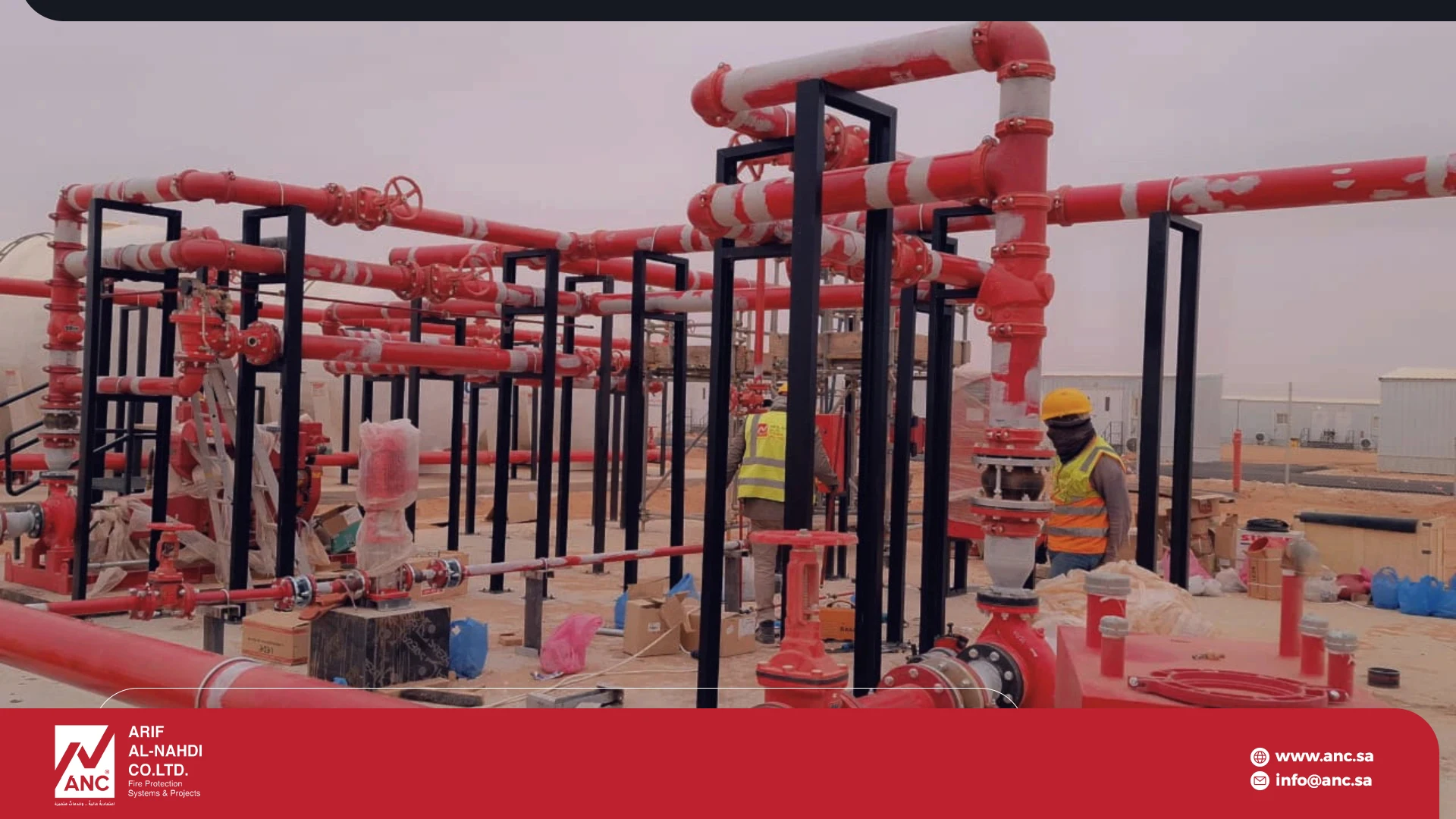
Blocked drains or poor water discharge can lead to pooling and leakage into service areas such as fire pump rooms. This may not cause a fire directly, but it can disable protection systems and reduce facility readiness when needed.
What Is a Winter Emergency Plan?
Winter Fire Emergency Plan is best viewed as an operational document that defines how a school or hospital responds to a fire during the rainy season—from the moment of alarm through evacuation, communication, and control. It differs from a general emergency plan because it does not rely only on fixed, year-round procedures, but adds seasonal scenarios such as humidity, leaks, added electrical load, and the impact on detection and suppression systems.
This seasonal plan identifies winter weaknesses, alternate evacuation routes, and role distribution without confusion—aligned with student/patient density and limited mobility. Most importantly, updating the plan before winter gives the facility time to test systems and close training gaps, instead of discovering failures during a real emergency.
Read also: How to Maintain the Efficiency of Fire Suppression Systems in Industrial Facilities During Winter
Key Elements of the Winter Emergency Plan in Schools and Hospitals
The winter emergency plan in schools and hospitals starts from one principle: convert rainy-season risks into clear, executable actions before humidity and leaks become the reason systems fail or evacuations slow down. That is why the plan is typically built on three connected operational pillars: risk assessment, alarm readiness, and suppression readiness.
Seasonal Risk Assessment
This includes inspecting the building and rain-related systems such as water leak points, insulation, drainage, and service rooms, along with reviewing electrical installations affected by humidity. Then you identify weak points that could delay response or disrupt evacuation inside the school or hospital.
Detection and Alarm System Readiness
This covers testing smoke detectors, verifying sensitivity, and ensuring stable performance under humidity to reduce faults and false alarms. It also confirms the operation of control panels, sounders, and notification routes to ensure alerts reach occupants quickly and without interruption.
Fire Suppression System Readiness
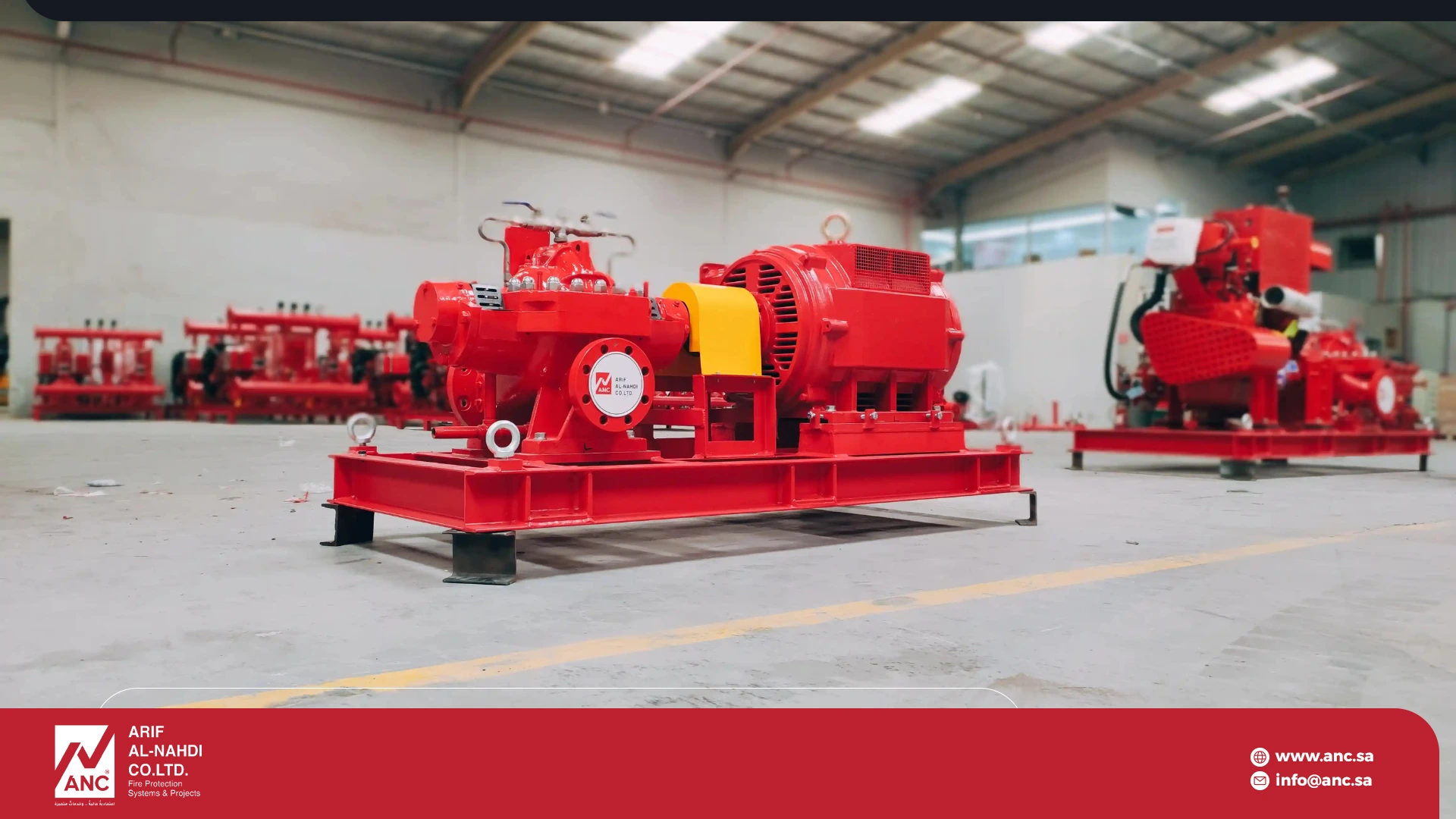
This focuses on inspecting fire pumps, testing jockey pumps, and confirming stable operation before seasonal demand, because any failure here directly affects network effectiveness. This is completed by verifying network pressure and valves to ensure sprinklers and hose reels are ready when needed.
Relevant NFPA Requirements for Educational and Medical Facilities
NFPA requirements in schools and hospitals translate into clear references that govern alarm and suppression systems and evacuation procedures—raising facility readiness, especially within a winter emergency plan.
Accordingly, the following standards are the most relevant for educational and medical facilities when developing and updating the plan:
- NFPA 72 for fire alarm systems.
- NFPA 13 for automatic sprinkler systems.
- NFPA 20 for fire pumps.
- NFPA 101 for evacuation procedures and means of egress.
Saudi Civil Defense Requirements During the Rainy Season
Saudi Civil Defense requirements become more critical during the rainy season because humidity and leaks can affect real-world readiness—even if systems exist on paper.
For winter, requirements typically emphasize inspection, documentation, and evacuation readiness to ensure a fast and safe response, and usually include:
- Periodic inspection of detection, alarm, and suppression systems before and during the season.
- Emergency exits and evacuation routes must be ready and free of obstructions.
- Approval and updating of seasonal evacuation plans based on rain-related risks.
- Maintenance and testing documentation to prove readiness during inspection.
Training’s Role in a Successful Winter Emergency Plan
Training is what turns a written plan into a winter emergency plan that actually works at the first alarm—especially in schools and hospitals where pressure is high and panic risk is greater. For that reason, success focuses on two clear training tracks:
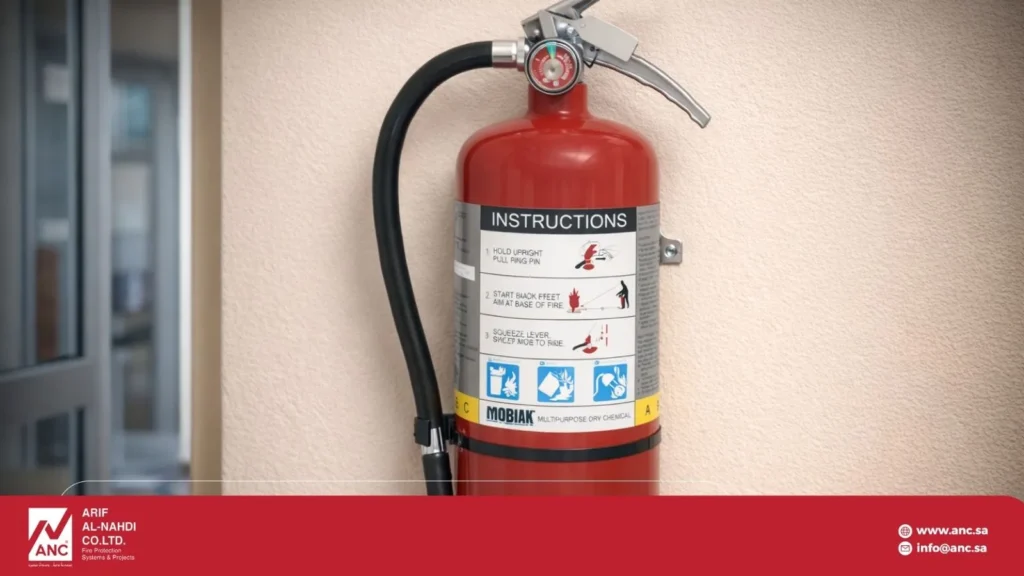
- Training for educational and medical staff: raising readiness to handle fire incidents during rain, assigning roles (alarm, evacuation, first aid, shutting down power/gas), and hands-on extinguisher use without hesitation.
- Seasonal evacuation drills: simulating winter fire scenarios under realistic conditions (wet corridors/partial outages/crowding) to reduce panic, improve response time, and confirm knowledge of assembly points and exit routes.
Read also: Fixed Fire Pumps vs Portable Fire Extinguishers: Which Is Better?
Common Mistakes in Winter Fire Emergency Preparedness
Winter preparedness mistakes repeat because many facilities treat winter as the same year-round plan, while rain introduces different risks and operating conditions that can disable systems and delay evacuation. That is why it is important to identify common mistakes in winter fire emergency preparedness before the season begins:
- Relying on a general emergency plan without seasonal updates.
- Neglecting pump rooms and likely leak areas.
- Ignoring humidity’s impact on smoke detectors and control panels.
How Arif Al-Nahdi Co. Ltd (ANC) Supports Winter Emergency Plans
Start the rainy season with confidence—because a winter emergency plan for schools and hospitals needs a partner who tests systems in real conditions and fixes weak points before humidity and leaks become failures or response delays. This is where Arif Al-Nahdi Co. Ltd (ANC) brings practical expertise in fire systems and operational readiness.
- Comprehensive fire system inspection before the rainy season.
- Maintenance for fire pumps and jockey pumps to raise operational readiness.
- Tailored solutions for schools and hospitals based on risks and egress routes.
- Civil Defense-ready readiness reports.
Contact ANC now to schedule a facility readiness inspection before the rainy season and receive a report that highlights improvement points and corrective actions.
When Should You Start Implementing the Winter Emergency Plan?
A winter emergency plan is most effective when implemented before rain begins, because updates after leaks or failures appear become late and costly. That is why you should apply the plan in these core situations:
- Before the rainy season starts.
- After any building or system modification.
- When capacity increases (students/patients/new departments).
Winter readiness saves lives because it transforms the rainy season from surprises into controlled actions executed quickly at the first alarm. Early planning, system testing, and staff training reduce response time and prevent confusion—especially in schools and hospitals where protecting students and patients is non-negotiable. Compliance and documentation also make the facility safer and more operationally stable throughout winter, not only on inspection day.
Contact Arif Al-Nahdi Co. Ltd (ANC) for a full pre-rainy-season inspection and a readiness report that strengthens your winter plan and improves your facility’s safety.
FAQ: How Schools and Hospitals Prepare for Fire During the Rainy Season
1- Does the winter emergency plan differ from the annual plan?
Yes; the winter plan is updated to cover rain, humidity, leaks, and their effects on electricity and on alarm and suppression systems.
2- Does rain really affect fire systems?
Yes; humidity can cause detector faults or false alarms, increase electrical fault risk, and affect pump rooms and drainage.
3- How often should systems be inspected in winter?
Before the rainy season starts, then periodic inspections during the season, plus any additional inspection after a leak/failure/modification in the building.
4- Does ANC provide approved emergency plans?
ANC provides comprehensive winter readiness support including inspection, maintenance, reporting, and guidance, and can help develop/update evacuation plans to meet safety and documentation requirements