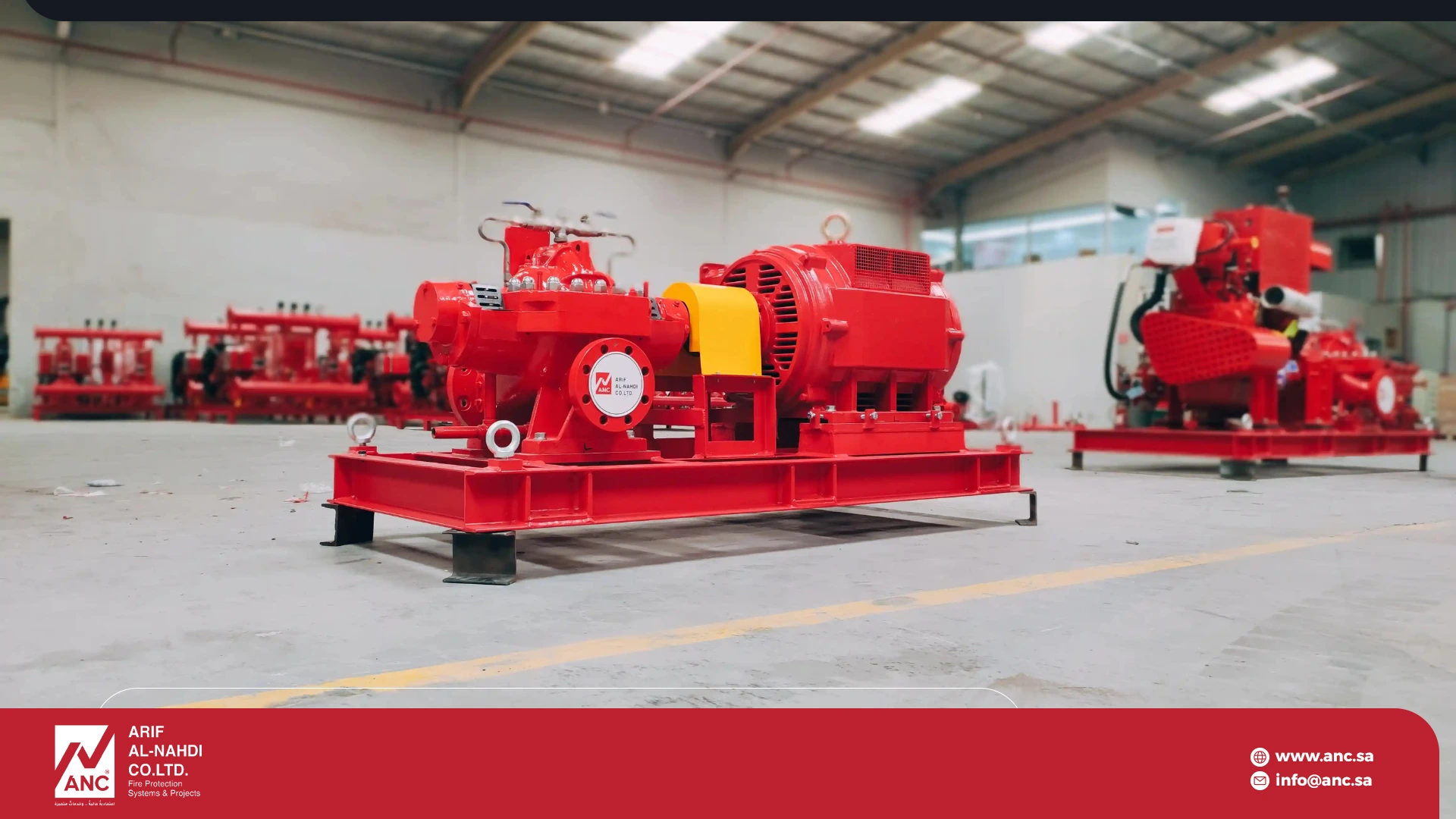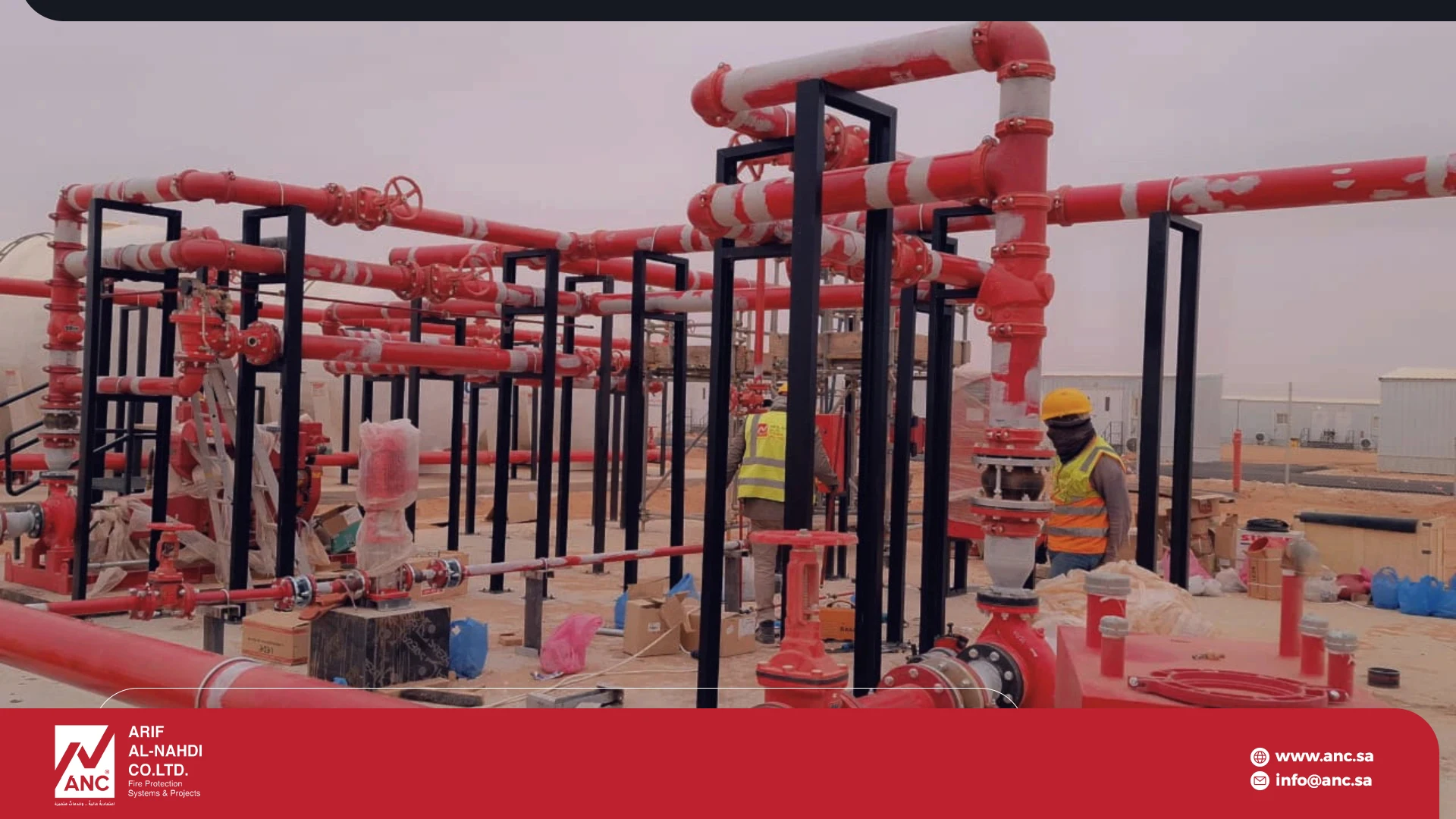

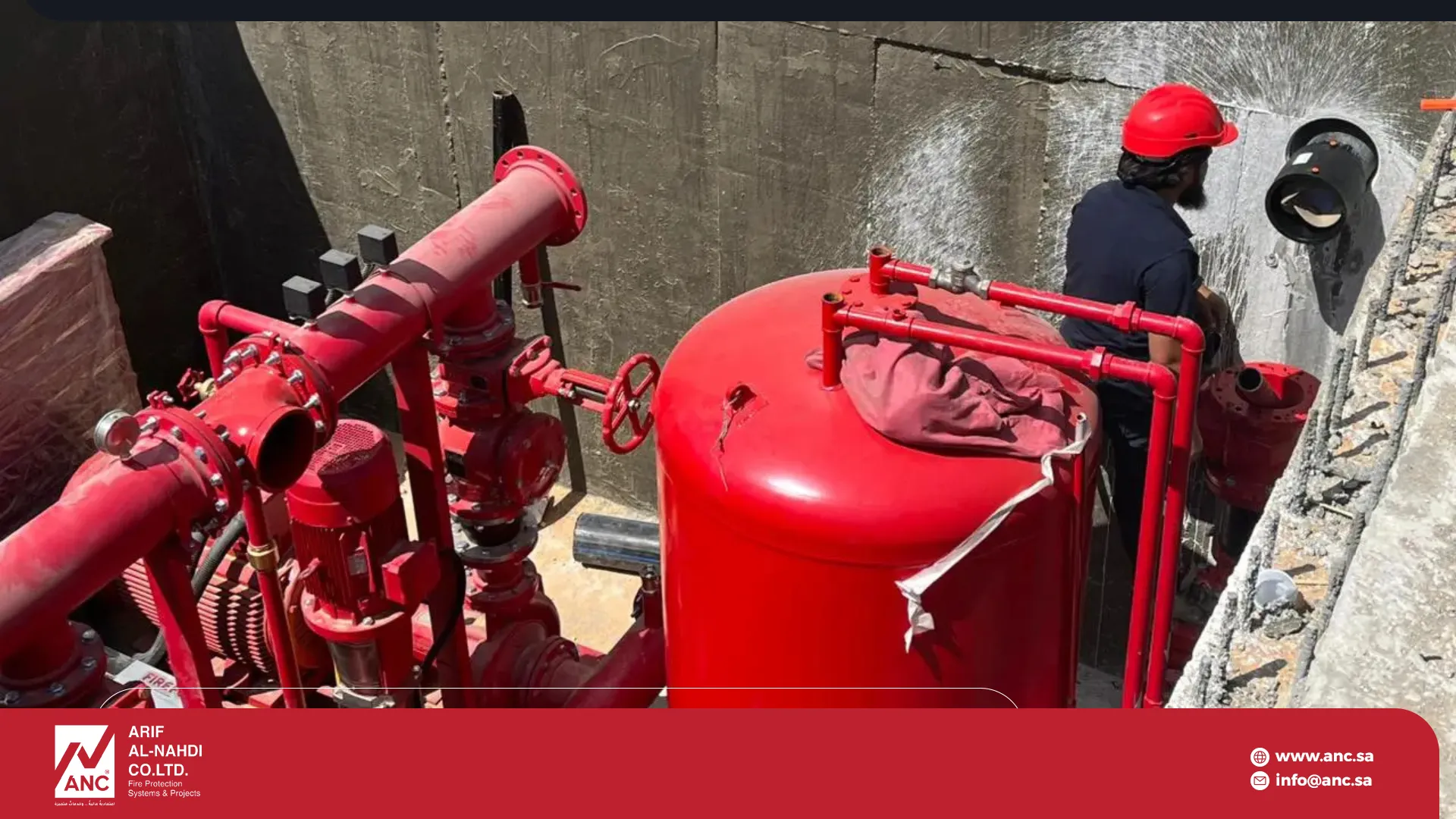
In industrial environments—especially within Saudi Arabia, known for its high temperatures—machinery operates continuously, and facilities often handle various materials that may be flammable. This makes the risk of fire a possibility at any time.
Neglecting periodic pump maintenance in industrial facilities does not only mean potential system failure; it can also result in severe losses in lives and property, as well as production downtime. Therefore, fire pump maintenance in factories is not merely a routine procedure, but an investment in operational safety and business continuity.
In this article, we explain why regular fire pump maintenance is a necessity that cannot be overlooked, and how a comprehensive maintenance program can preserve system efficiency while supporting compliance with NFPA and SASO standards in Saudi Arabia.
What Is Fire Pumps Maintenance?
Effective fire pump maintenance in factories does not simply mean repairing the system when a fault occurs. It involves a structured program that combines periodic inspections, operational testing according to project procedures, preventive maintenance activities, and proper documentation through logs and reports. This approach helps maintain system readiness and makes performance measurable, reviewable, and continuously improvable.
Important Note: Any inspections or operational tests of fire protection systems must be conducted by qualified professionals in accordance with site-approved safety procedures and regulations, in coordination with factory management. General recommendations should not include specific setting values or detailed operating instructions.
Why Should Industrial Facilities in Saudi Arabia Prioritize Fire Pumps Maintenance?
In Saudi industrial environments, machinery often operates for extended hours, and facilities may handle flammable liquids or materials, or conduct processes that generate heat and vapors. In this context, the fire pumps become a critical component supporting the fire protection network—such as sprinkler systems, hose reels, and hydrants—whenever pressure drops or additional water supply is required.
For this reason, fire pump maintenance in factories is not a routine task; it is part of operational risk management and business continuity planning, typically structured according to project requirements and the referenced standards specified within the project documentation.
Why Is the Risk of Fire Pump Failures Higher in Industrial Environments?
1) Industrial Dust and Particles
Dust accumulation in pump rooms or on control panels can reduce ventilation efficiency, affect connection integrity, and cause issues in measurement or communication devices. When combined with humidity, dust may also accelerate corrosion of certain components.
2) Continuous Vibrations
Vibrations generated by heavy equipment can, over time, loosen connections, affect the alignment of rotating components, or place stress on mounting bases. If not detected early through condition monitoring, this may impact overall reliability.
3) Heat, Humidity, and Vapors
In certain industries, elevated temperatures, humidity, and chemical vapors may affect cables, metallic parts, and auxiliary diesel systems, increasing the risk of corrosion or insulation damage. Maintenance plans should therefore be adapted to the specific industrial environment.
4) Water Quality and Sediment
The quality of the water source and suction lines directly affects pump performance. Sediment buildup can cause gradual blockages, while certain water conditions may accelerate internal corrosion. Monitoring suction conditions and filtration systems is therefore an important part of preventive maintenance.
Read more: The Importance of Preventive Pump Maintenance and When to Upgrade Fire Protection Systems
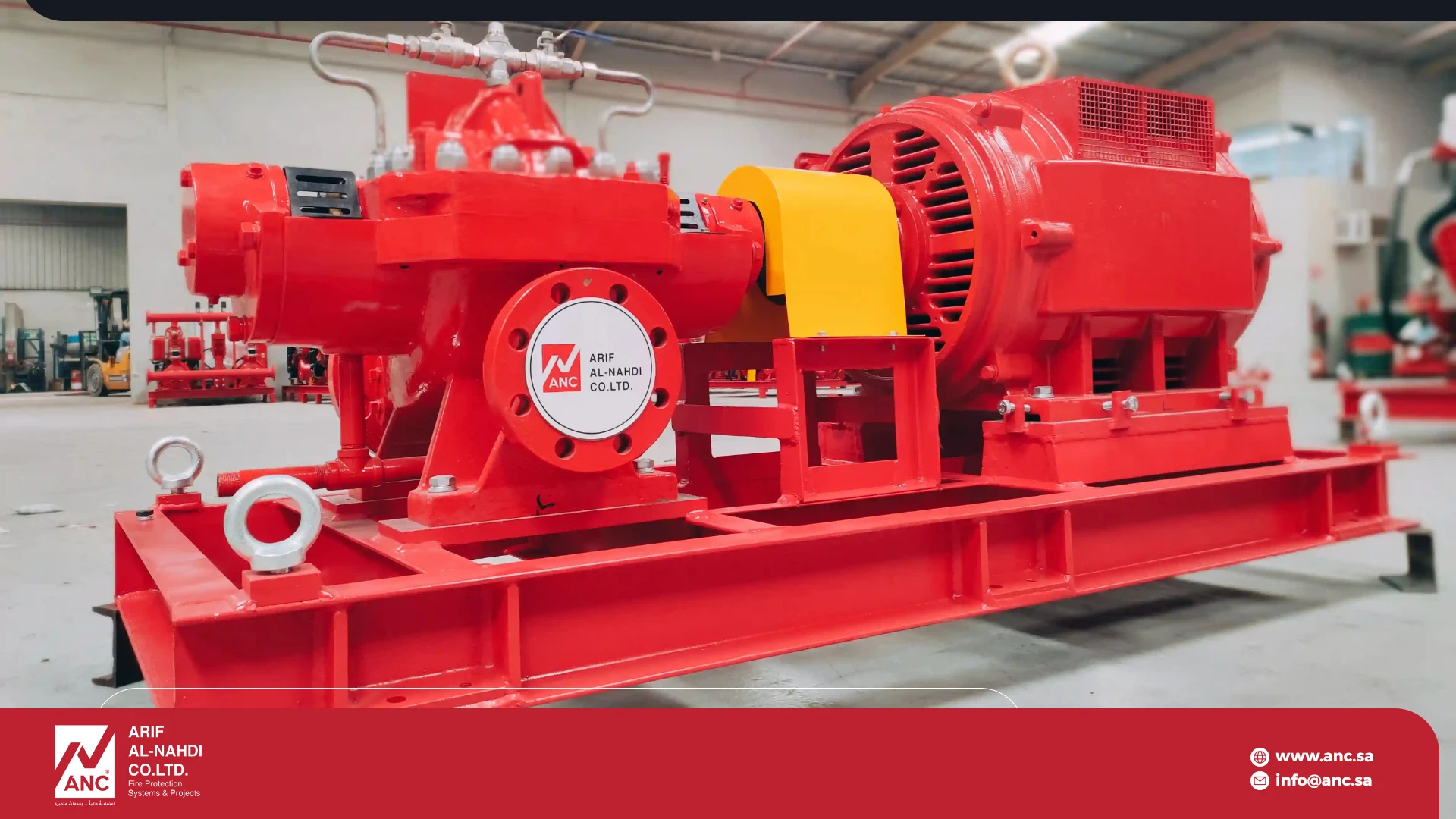
Most Common Failures in Industrial Fire Pumps and Their Potential Causes
First: Pump and Hydraulic-Related Failures
- Cavitation or Unusual Noise: May be related to suction conditions, the presence of air in the line, or issues with the water source.
- Leaks Around Seals or Connections: May indicate wear, corrosion, or excessive stress on seals due to vibration or environmental conditions.
- Excessive Vibration: Can be associated with misalignment, foundation issues, imbalance of rotating components, or external factors within the pump room.
- Gradual Internal Corrosion: May result from sediment buildup or water quality conditions, requiring condition monitoring rather than waiting for a visible failure.
Second: Electric Motor-Related Failures
- Connection or Insulation Issues: May be affected by humidity, high temperatures, or electrical loads at the site.
- Overheating or Repeated Alarms: May indicate ventilation problems, operating condition concerns, or electrical protection component issues.
- Irregular Response or Delayed Operation: May be linked to control panel integration, signal coordination, or system configuration within the project scope.
Third: Diesel Engine-Related Failures
- Delayed Start-Up: May be associated with battery condition, fuel system issues, or environmental factors.
- Fuel Supply Problems or Contamination: Can lead to unstable operation, alarms, or unexpected shutdowns.
- Cooling or Ventilation System Issues: Particularly critical in hot or enclosed environments and require monitoring as part of the site maintenance plan.
Fourth: Control Panel and Alarm-Related Failures
- Unresolved Repeated Alarms: May turn into “alarm fatigue,” where staff become accustomed to alerts, posing both operational and managerial risks.
- Sensor or Signal Malfunctions: May produce inaccurate readings or trigger unexpected system responses if not reviewed.
- Poor Event Documentation: Without proper records, it becomes difficult to trace root causes or identify recurring patterns.
Risks Resulting from Neglecting Fire Pump Maintenance
Neglecting fire pump maintenance in industrial facilities does not only lead to technical malfunctions; it can result in system failure during critical situations, putting lives and property at serious risk. The following are the most significant risks associated with the absence of regular maintenance:
1. Pump Failure During Emergencies
If the pump is not regularly tested or inspected, it may fail to operate when needed during a fire, preventing the system from delivering water at the required pressure. This type of failure is among the most critical, as it compromises the system’s primary function at the most crucial moment.
2. Reduced Efficiency and Internal Component Damage
Sediment buildup, air in suction lines, and cavitation can cause wear to the pump impeller, gradually reducing performance and pumping efficiency. Neglecting filter cleaning and connection checks further accelerates system degradation over time.
3. Delayed Start in Diesel Fire Pumps
In diesel-driven fire pumps, failure to inspect batteries or fuel filters may result in difficulty or delay in engine start-up during emergencies, causing critical delays in supplying the required water flow.
4. Increased Repair Costs and Operational Downtime
Lack of preventive maintenance often leads to higher emergency repair costs compared to planned servicing. Additionally, system failure may result in production stoppages in factories or disruption in critical facilities, negatively impacting operational efficiency and productivity.
5. Loss of Reliability and Non-Compliance with Safety Requirements
Failure to implement a structured maintenance program reduces confidence in system readiness and may lead to non-compliance with Civil Defense requirements and referenced standards such as NFPA and SASO, potentially exposing the facility to penalties or regulatory action.
Read more about: How Fire Pumps Work: A Detailed Explanation
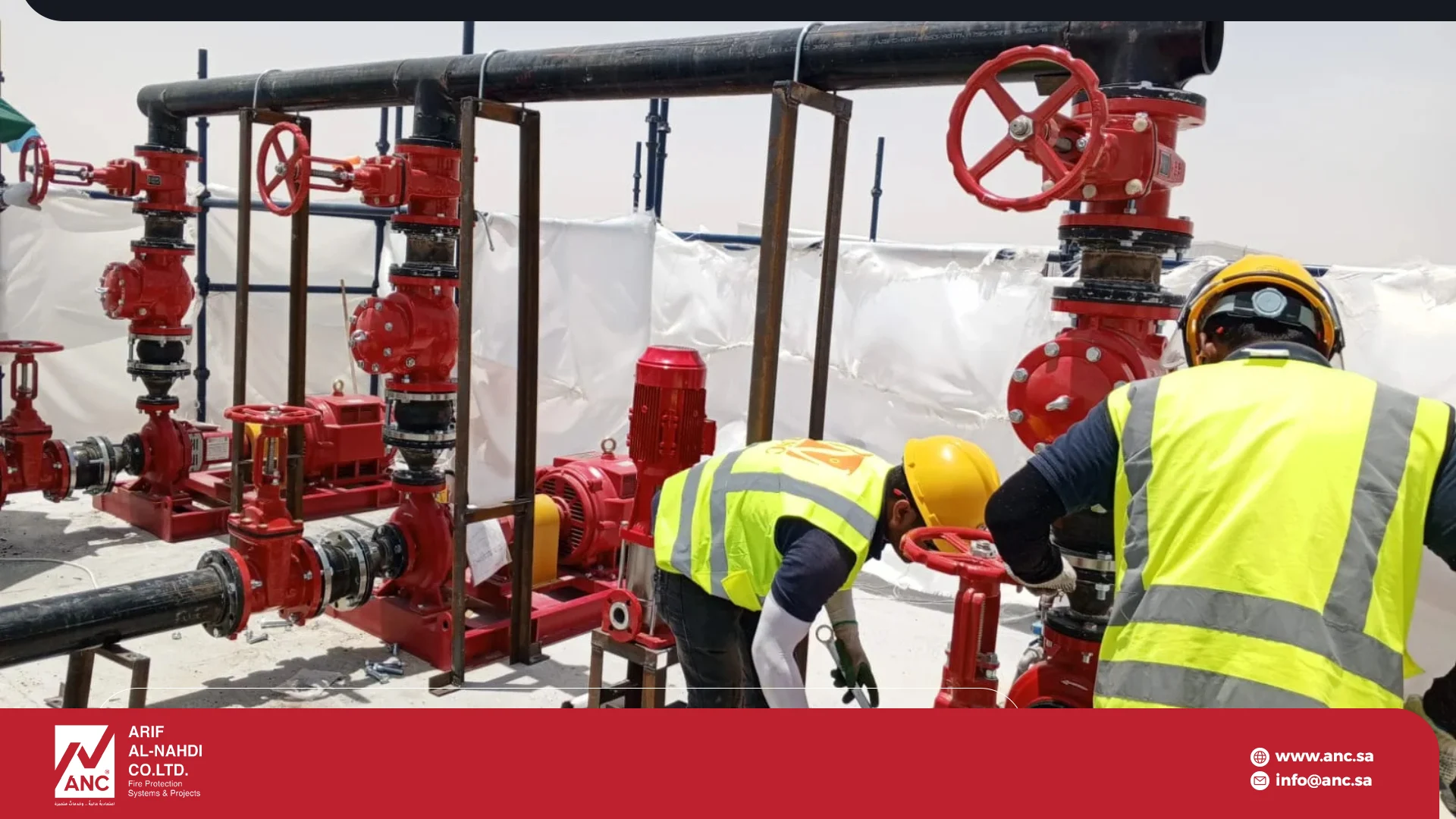
Direct Benefits of Regular Fire Pump Maintenance
Regular fire pump maintenance is an essential part of maintaining facility safety and ensuring the continuous and efficient operation of the fire protection system. The key benefits include the following:
1. Ensuring Full Readiness During Emergencies
Routine maintenance ensures that the fire pump is ready to operate immediately when needed, without delay or operational malfunction. Regular testing helps identify potential issues early—before they escalate into critical failures during a fire incident.
2. Extending Pump Service Life and Reducing Failures
Through periodic cleaning, internal component inspection, and replacement of worn parts, the mechanical integrity of the pump is preserved and its operational lifespan is extended. This approach reduces unexpected downtime and improves overall system reliability.
3. Lowering Emergency Repair and Replacement Costs
The cost of preventive maintenance for a fire pump is significantly lower than emergency repair costs resulting from unexpected failures. Regular servicing helps prevent internal wear and reduces the need to replace expensive components.
4. Improving System Performance and Compliance with Performance Standards
When maintenance is conducted in accordance with referenced standards such as NFPA 25, the system maintains stable performance aligned with project and regulatory requirements, including those referenced by Saudi Civil Defense. Regular maintenance can also contribute to improved operational efficiency and optimized fuel consumption in diesel-driven fire pumps.
Learn more: Fire Pump Prices in Saudi Arabia: Factors That Determine Cost and How to Get the Best Value
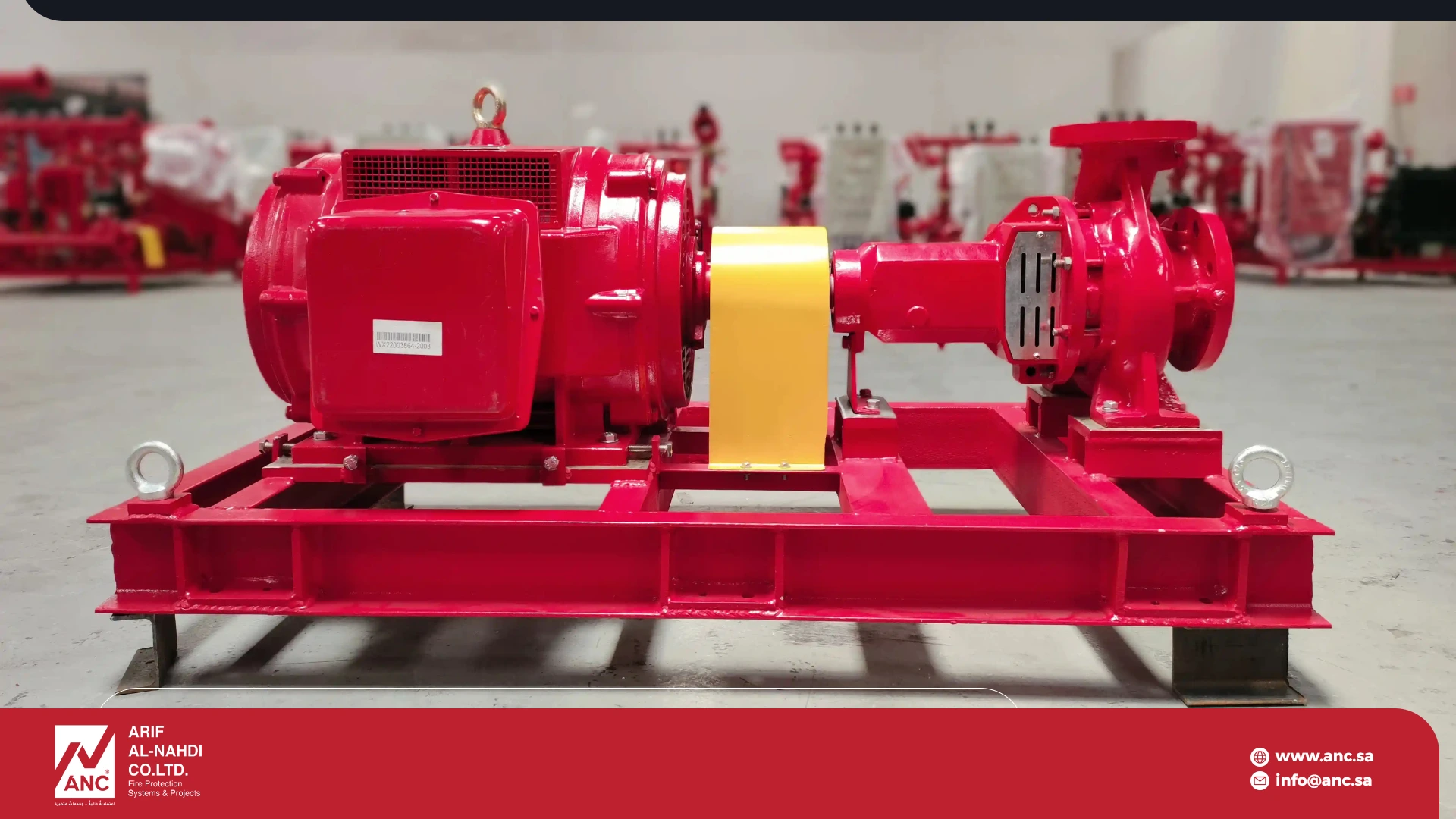
Fire Pump Maintenance Program in Factories: How to Build It Effectively and Realistically
There is no one-size-fits-all template for every factory, as inspection and testing frequency depends on several factors such as pump type, industrial activity, site risk level, water source conditions, and project documentation requirements. However, every successful maintenance program shares a common structure: clearly defined intervals + specific tasks + assigned responsibilities + proper documentation + corrective action procedures.
Key Principles Before Scheduling
- Start with risk classification: Components that have the greatest impact on system readiness should receive higher monitoring priority.
- Align maintenance with operations: Plan maintenance windows that minimize disruption to production, while coordinating internal permits and approvals.
- Do not isolate the pump from the network: Servicing the pump without reviewing valves, indicators, and suction lines may create a false sense of readiness.
- Document, then improve: Every maintenance cycle generates data, and that data should be used to enhance the program—not merely archived.
Sample Maintenance Schedule (Customizable Framework)
| Frequency | Scope of Work (Practical Examples Without Detailed Operating Procedures) | Required Output |
|---|---|---|
| Weekly / Based on Site Conditions | Visual inspection of the pump room, review of general system condition and alarm panels, verification of no visible leaks or obstructions, and review of basic operational signals. | Status record marked as “OK / Needs Attention” with brief notes and photos if necessary. |
| Monthly | Broader review of system components (main pump, jockey pump, control panel, critical valves), review of system indicators and event logs, verification of diesel auxiliary readiness if applicable (per site policy). | Concise monthly report including observations and prioritized corrective action items. |
| Quarterly | Review of system integration with the network (valves, monitoring devices, indicators, leaks, general operational performance), and audit of records to ensure previous findings have been properly closed. | Quarterly report + corrective action list with target closure dates. |
| Semi-Annual | Condition assessment of selected high-impact components (e.g., alignment elements, vibration indicators, visible corrosion, cable condition, sensor status) based on system history and environment. | Condition Summary report with recommendations for improvement or partial replacement if required. |
| Annual | Comprehensive review according to project documentation and referenced standards, including performance verification within site-approved procedures and required compliance documentation, along with deeper preventive maintenance and record updates. | Comprehensive annual report + documented results + improvement plan for the following year. |
The purpose of this schedule is to establish a structured maintenance cycle that keeps the system in a verifiable state of readiness while reducing unexpected failures that may occur at inconvenient times.
Read about: The Importance of Proper Fire Protection System Installation: How to Choose the Right Contractor
How to Perform Fire Pump Maintenance Without Disrupting Production
In factories, the main challenge is not the maintenance itself, but how to execute it without affecting operations or introducing additional safety risks. For this reason, fire protection system maintenance is typically managed within a coordinated framework involving maintenance, safety, operations, and industrial security teams, under the principle of “continuous readiness.”
Best Practices for Maintenance Planning in Industrial Facilities
- Advance coordination: Define scope, expected duration, and maintenance windows in coordination with operations.
- Internal safety permits: Comply with site safety procedures when accessing pump rooms or working with energy sources.
- System-based contingency arrangements: Some facilities implement temporary operational arrangements during maintenance according to project design—this should only be done under documented procedures and qualified supervision.
- Alarm management during work: Avoid random alarm disabling; manage any temporary changes according to site policy and document them properly.
- Close out all findings: No observation should remain open without a defined resolution (repair, replacement, or monitored condition) and a documented closure date.
Read more: How to Test Fire Pump Performance: Preventive Maintenance Schedule for Fire Pumps
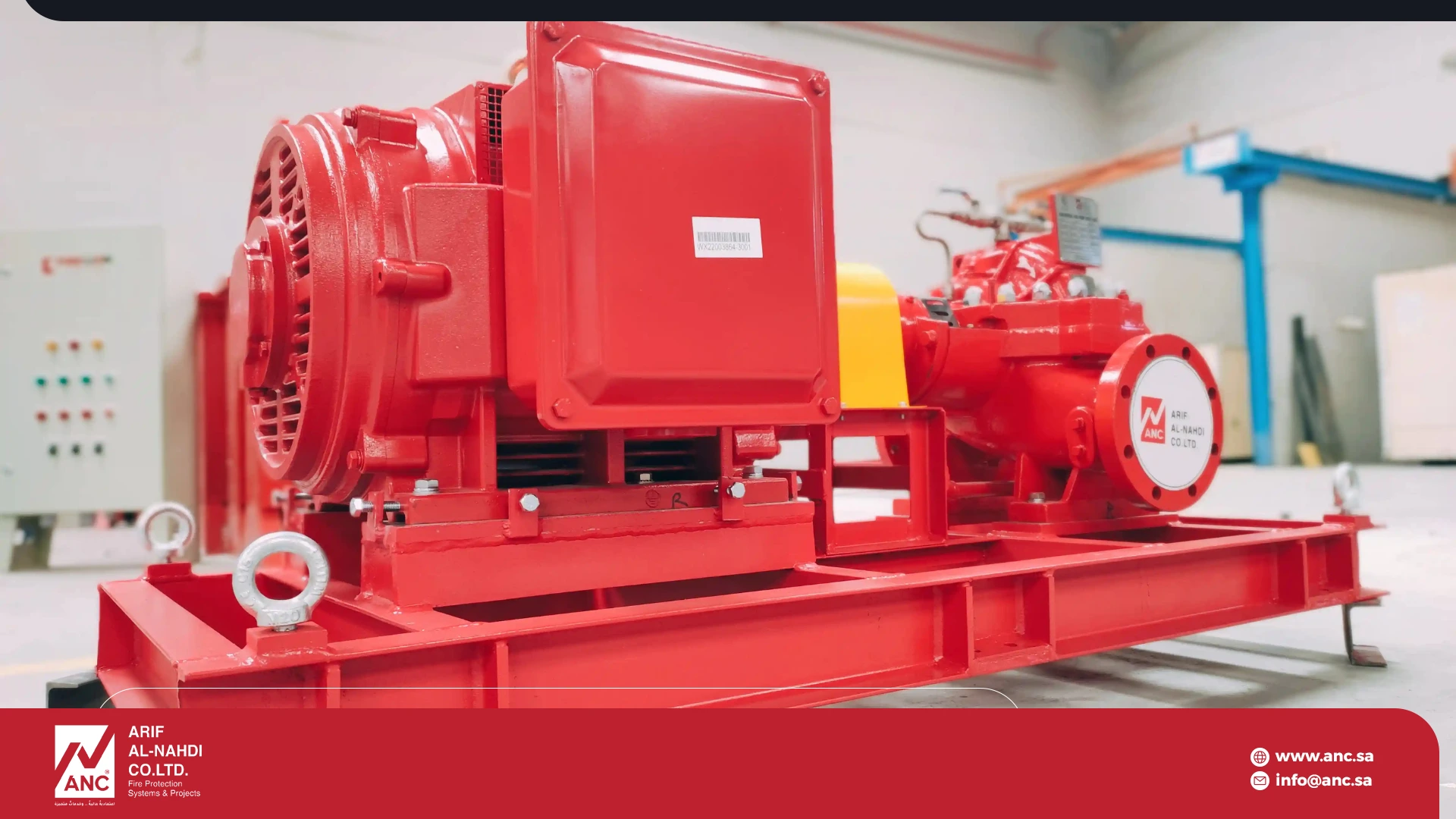
Documentation and Reporting: How Do You Prove Fire Pump Readiness?
In industrial facilities, records and reports are just as important as the inspection itself. Management requires clear evidence of system readiness, and financial decisions—such as spare parts procurement, upgrades, or maintenance contracts—must be based on reliable data. Proper documentation transforms maintenance from a reactive activity into a professional asset management strategy.
What Should a Proper Maintenance Record Include?
- Asset Identification Details: Pump type, driver type, internal reference/asset number, and physical location within the facility.
- Scope of Visit: What was inspected? (Main pump / jockey pump / control panel / valves / suction line / monitoring devices).
- Clear and Concise Findings: Normal condition / observation noted / intervention required, with a clear description of each finding.
- Corrective Actions: What was done? When? By whom? What is the closure status?
- Supporting Attachments (If Required): Photos, inspection forms, checklists, or control panel event summaries.
- Internal Sign-Off and Approvals: To formally close the visit and confirm report acknowledgment.
When Does Maintenance Turn Into an Upgrade or Replacement?
There is a clear difference between repairing a fault and making a decision to upgrade or replace equipment. In industrial facilities, this decision should not be emotional or based solely on equipment age. Instead, it should rely on failure patterns, recurrence frequency, and impact on system readiness and operations. Well-documented reports make professional decision-making significantly easier.
Common Indicators That Require Deeper Technical Evaluation
- Repeated occurrence of the same fault or alarm within a short period.
- Increasing observations related to leaks, vibration, or reduced responsiveness.
- Difficulty sourcing suitable fire pump spare parts for older models, or prolonged downtime due to parts availability.
- Factory expansion or modification requiring a review of fire network design (according to project documentation).
- A gap between current site requirements and the existing system’s capabilities based on technical assessment.
Read more: Fire Protection System Maintenance in Winter: Tips for Facilities in Saudi Arabia
How to Choose a Fire Pump Maintenance Service Provider for Factories (Procurement Checklist)
- Clearly Defined Scope of Service: Does it cover the entire system or only the pump? (Main pump / jockey pump / panels / valves / reports).
- Documented Methodology: Standardized checklists and auditable reports suitable for industrial environments.
- Spare Parts Management Capability: Ability to provide appropriate components according to manufacturer recommendations and project specifications.
- Emergency Response Plan: Clear technical support procedures for critical breakdowns under the service agreement.
- Industrial Environment Experience: Understanding of internal safety procedures, work permits, and coordination with operations teams.
- Safety and Compliance Focus: Commitment to site procedures and referenced project standards without exaggerated claims or unrealistic guarantees.
The Role of Arif Al-Nahdi (ANC) in Periodic Maintenance of Industrial Fire Protection Equipment in Saudi Arabia
Arif Al-Nahdi (ANC) provides periodic maintenance services for fire protection equipment across factories and large facilities in Saudi Arabia, including:
- Inspection, testing, and maintenance services aligned with referenced standards such as NFPA and SASO, according to project requirements.
- Specialized technical teams trained to conduct field inspections and performance verification with precision and efficiency.
- Supply of genuine spare parts and UL/FM certified pumps to ensure quality and long-term reliability.
- Flexible maintenance contracts tailored to the size and operational needs of different industrial facilities, including scheduled site visits.
If you are looking for a reliable fire pump maintenance company in Saudi Arabia for industrial and large-scale facilities, contact ANC today to request a technical consultation.
Engineering Tips from ANC Experts to Ensure Operational Reliability
To achieve maximum operational efficiency and long-term reliability, consider the following recommendations:
- Use digital maintenance schedules to track service intervals and monitor inspection results.
- Monitor vibration, pressure, and temperature trends periodically to detect early mechanical deviations.
- Maintain a complete testing and maintenance log to track pump performance history for each unit.
- Train operators and maintenance personnel on safe start/stop procedures and emergency response plans to ensure readiness at all times.
Frequently Asked Questions About Fire Protection System and Pump Maintenance
1- What Are the Steps for Fire Pump Maintenance?
Fire protection system maintenance involves a structured set of actions to ensure readiness during emergencies. These typically include:
- General inspection of connections and piping to verify there are no visible leaks.
- Operational testing of the main fire pump and jockey pump to confirm proper response.
- Verification of discharge pressure and flow performance in reference to the approved system design (without adjusting set values outside authorized procedures).
- Cleaning strainers and ensuring suction lines are free from sediment buildup.
- Inspection of batteries and fuel levels for diesel-driven pumps.
- Documenting findings in periodic maintenance reports in accordance with referenced standards such as NFPA 25 and project requirements.
2- How Are Fire Pumps Inspected?
Fire pump inspections are typically conducted on a weekly or monthly basis, depending on site conditions and project documentation. The inspection may include manual or automatic pump activation under controlled procedures, reviewing discharge pressure indicators, and verifying operational signals.
Isolation valves, check valves, control panels, and alarm functions are also reviewed to ensure system integration. All inspection results should be properly recorded in the maintenance log for future reference and performance tracking.
3- How Often Should Fire Extinguishers Be Serviced?
Fire extinguishers are generally serviced every 6 to 12 months, depending on extinguisher type and environmental conditions. A monthly visual inspection is typically recommended to verify seal integrity, pressure gauge status, and cylinder condition.
In industrial facilities, a more structured quarterly review plan may be implemented to maintain full operational readiness in higher-risk environments.
4- What Is a Fire Protection System Maintenance Contract?
A fire protection system maintenance contract is an agreement between a facility and a specialized service provider—such as Arif Al-Nahdi (ANC)—to perform scheduled inspection, testing, and maintenance of fire pumps and related systems.
The contract may include periodic site visits, performance verification, documentation, and spare parts replacement when required, ensuring alignment with Saudi Civil Defense requirements and referenced standards such as NFPA and SASO in accordance with project specifications.
5- Does Fire Pump Maintenance in Factories Differ from Commercial Buildings?
Yes. Industrial environments often involve higher levels of dust, vibration, heat, and operational risk. This requires a more disciplined and thoroughly documented maintenance program compared to typical commercial buildings.
6- What Is the Difference Between Preventive and Corrective Maintenance?
Preventive maintenance is performed according to a planned schedule before a failure occurs, while corrective maintenance is carried out after a malfunction is identified. In factories, preventive maintenance is generally preferred because it reduces emergency downtime and supports production continuity.
7- Is Inspecting the Pump Alone Sufficient?
No. Fire protection system readiness depends on full integration between the pump, control panel, jockey pump, valves, suction lines, water supply source, and monitoring devices. Inspecting the pump alone does not guarantee overall system performance.
In factories and industrial facilities, fire pump maintenance is not a secondary budget item—it is a cornerstone of operational readiness, asset protection, and business continuity. A successful program balances inspection, testing, preventive servicing, and documentation, while being coordinated with operations and aligned with approved project requirements and referenced standards. This integrated approach is what distinguishes ANC among fire pump maintenance providers in Saudi Arabia.
Request a Technical Assessment for Your Factory’s Fire Pump System
If you aim to enhance fire system reliability, reduce unexpected breakdowns, and improve readiness documentation, the ANC team can support you through a technical site assessment and a customized maintenance plan tailored to your industrial facility.
Quick Qualification Questions to Prepare Your Service Request
- What type of industry and risk profile does your facility have?
- Is the system newly installed or existing (replacement/upgrade)?
- What type of pump and driver are installed (electric/diesel)? Is there a jockey pump?
- Are project documents available (drawings, submittals, previous reports)?
- Are there recurring observations or previous failures?
- Do you require a periodic maintenance contract or a one-time technical assessment?