
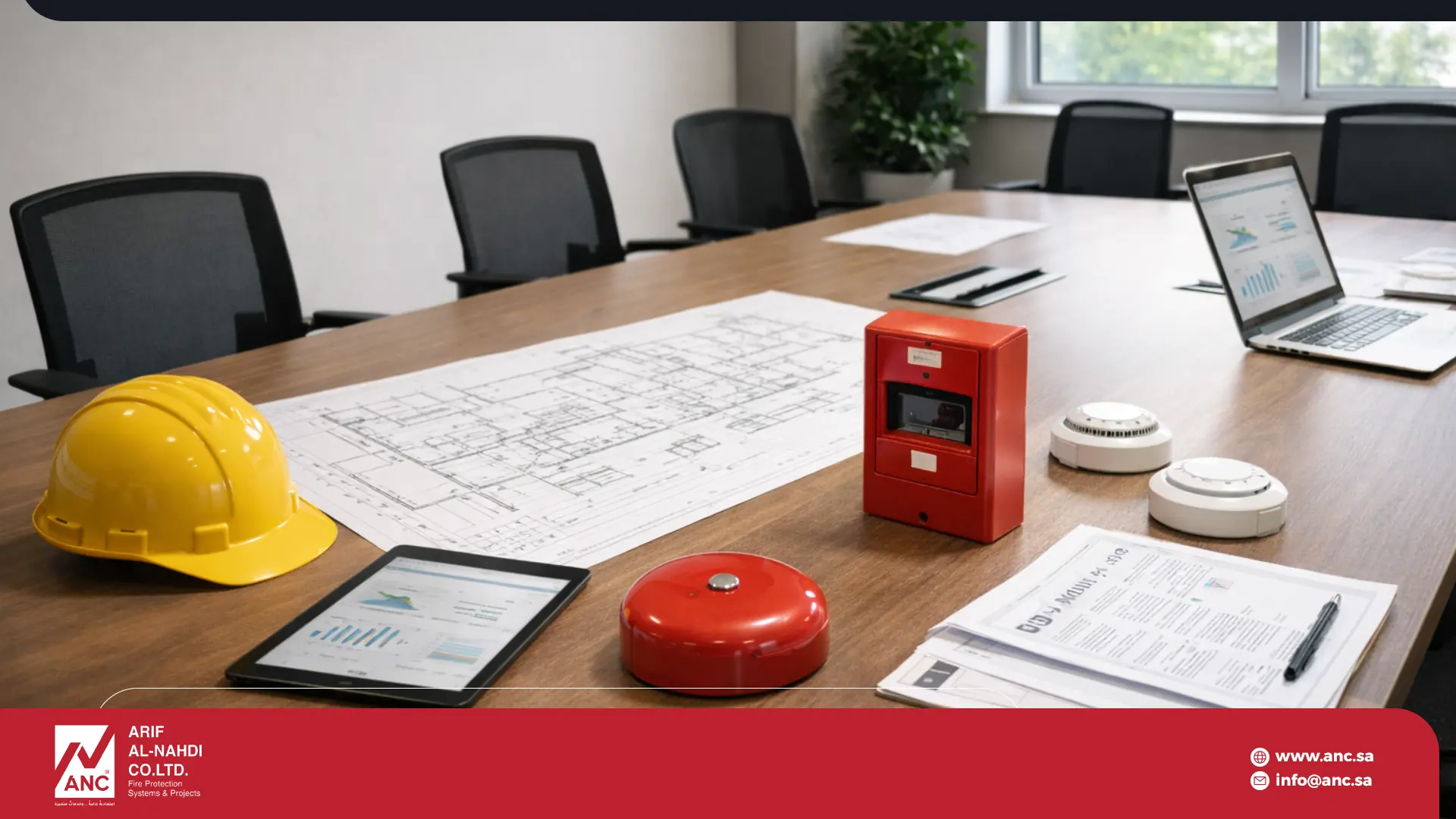
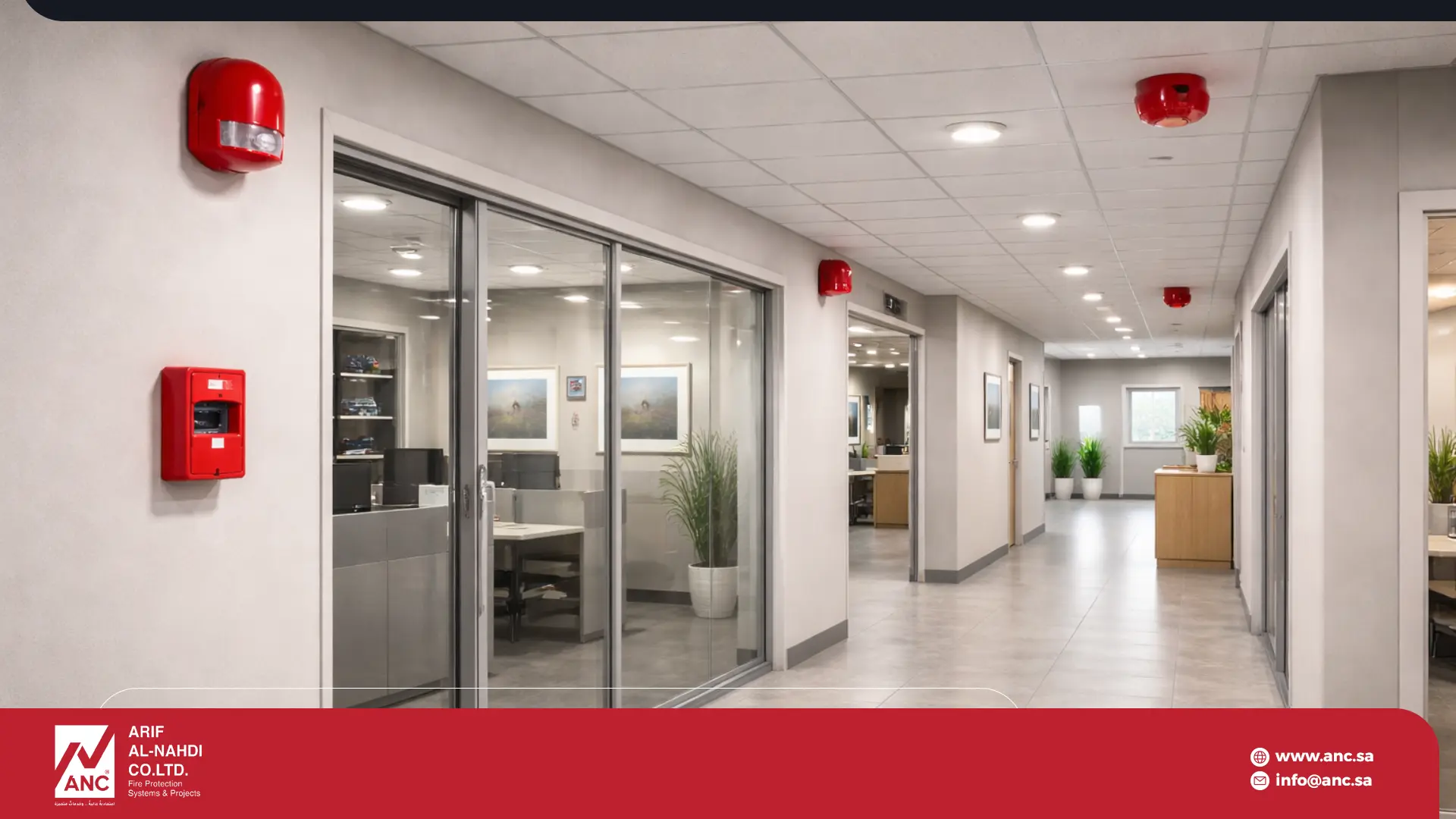
A fire alarm system is not just another building system. It is part of the wider life-safety framework that helps detect fire events, send signals to the control panel, and alert occupants at the right time through notification devices and manual activation points.
If you are evaluating options for a new project, a retrofit, or an existing facility, understanding the types of fire alarm systems can make the selection process much clearer. The difference between system types affects alarm visibility, wiring approach, maintenance expectations, and how well the system fits the building’s layout and operational needs.
In Saudi projects, this decision also connects to compliance, approved design, and long-term reliability. That is why understanding system classification early helps you move into technical review with better questions, clearer priorities, and fewer gaps in scope.
What Is a Fire Alarm System and Why Classification Matters?
Types of fire alarm systems matter because not every building needs the same alarm logic, the same level of alarm-location visibility, or the same installation approach.
A simple definition of Fire Alarm System
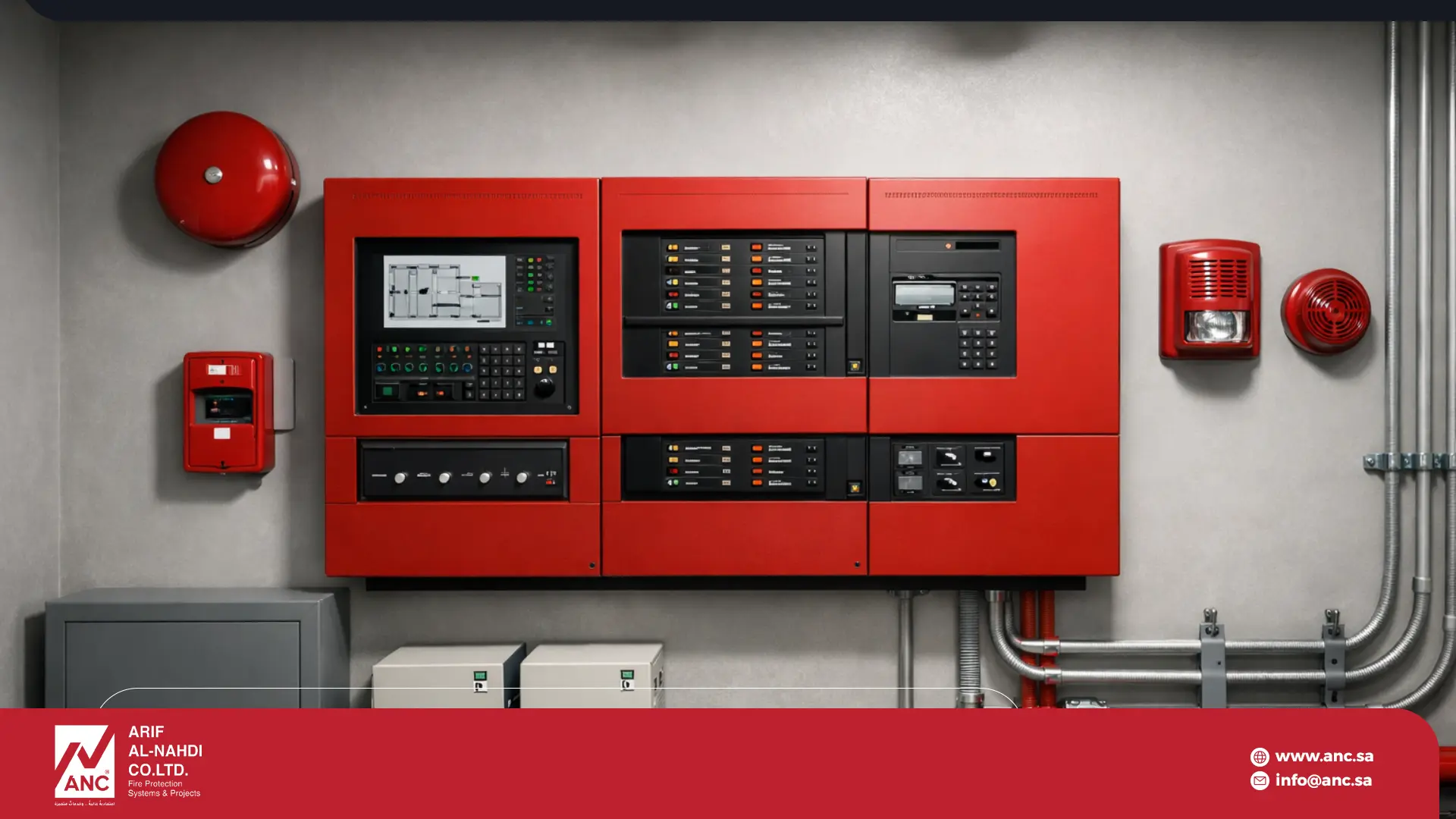
At a basic level, a fire alarm system is the set of components that detects a potential fire event, sends the signal to a control panel, and alerts occupants or responders through notification devices. Common building blocks include the control panel, detectors, manual call points, and sounders or other notification devices.
Why Fire Alarm Systems classification matters in real projects?
For project teams, classification matters for a practical reason: the type of system affects how quickly an alarm can be located, how easily faults can be traced, how suitable the system is for a new build versus a retrofit, and how demanding the maintenance routine may be over time.
That is why buyers often compare fire alarm system types before they request a design review or a service scope.
The 4 Main Types of Fire Alarm Systems
Below is the core comparison most readers are looking for when they search for fire alarm system types.
Type | How it identifies alarms | Often suitable for | Main advantages | Main limitations | Typical applications |
Conventional | By zone, not exact device | Smaller or less complex layouts | Simpler architecture, familiar operation | Less precise alarm location | Small offices, clinics, shops, smaller warehouses |
Addressable | By individual device address | Larger or more complex sites | Better device-level visibility and fault tracing | More planning depth than simple zone-based layouts | Commercial buildings, multi-area facilities, larger sites |
Intelligent / Analog Addressable | By device with richer data to the panel | Sites needing more monitoring detail | More detailed device information and diagnostics support | Outcome depends heavily on design and maintenance | Complex facilities, higher monitoring expectations |
Wireless | Via radio communication between devices | Retrofits and hard-to-cable spaces | Reduced dependence on full wired device paths | Battery management and signal planning are critical | Heritage interiors, phased upgrades, selected retrofit projects |
Need help narrowing down the right system type for your facility? Contact us at ANC now for Service Request and a direct consultation path for Saudi projects!
1- Conventional Fire Alarm Systems
A conventional system usually identifies the fire condition by zone rather than by the exact detector or call point. That makes it easier to understand in straightforward layouts, but it also means the alarm investigation starts with a broader area instead of a pinpointed device location.
Where Conventional Fire Alarm Systems are often considered?
ANC’s own conventional fire alarm page describes this as a zone-based solution for small to mid-size buildings and lists applications such as offices, clinics, retail spaces, and small to medium warehouses.
In practical terms, conventional systems are often considered where the facility is not highly complex, the layout is easier to divide into logical zones, and the project does not require the same level of event visibility that larger sites often prefer.
2- Addressable Fire Alarm Systems
What makes Addressable Fire Alarm Systems different?
Addressable systems identify signals at the device level, which means the control panel can indicate which specific detector, module, or point has reported an alarm or fault.
Why does that matter operationally?
For larger buildings, multi-zone operations, or facilities where quicker fault tracing matters, that extra visibility is often a major reason they are considered.
Also read: Conventional vs Addressable Fire Alarm System: A Decision Guide for Saudi Projects
3- Intelligent / Analog Addressable Fire Alarm Systems
Intelligent or analog addressable systems are generally understood as a more advanced form of addressable fire alarm architecture.
The key distinction is that they can provide richer device-level information to the panel, which may support more refined monitoring, diagnostics, and event handling depending on the design and the devices used.
Where can intelligent Fire Alarm Systems add value?
This type can make sense in environments where operators need better visibility into system behavior, where troubleshooting efficiency matters, or where the project team wants a platform that can support a more detailed operational picture.
Important limitation
Performance outcomes should not be overstated. Better data does not automatically mean better results in every project; the actual outcome depends on layout, environmental conditions, correct setup, and disciplined inspection and maintenance.
If your project team is comparing higher-visibility solutions, ANC’s consultation path is the better next step than relying on general articles alone. Contact us now!
4- Wireless Fire Alarm Systems
A wireless fire alarm system uses radio communication between devices instead of relying entirely on conventional wired device paths.
Where does wireless often make sense?
This can be attractive in retrofit projects, phased upgrades, architecturally sensitive interiors, or spaces where cabling is difficult or disruptive.
Wireless is not a shortcut around planning. Signal strategy, battery management, device supervision, and ongoing maintenance discipline remain essential.
So the real question is not whether wireless is modern or convenient, but whether the site conditions and maintenance model can support it over the long term. In the right context, it can be highly useful. In the wrong context, it can add operational complexity the owner did not anticipate.
Is a Manual Fire Alarm a Separate Type?
If you are comparing fire alarm system options, this point can easily become confusing. The term manual fire alarm is sometimes used to describe a category in simplified classifications, while in other cases it refers to manual activation devices such as call points or pull stations that operate as part of a wider fire alarm system.
How should you read this in practice?
For your project, it is usually more useful not to treat “manual fire alarm” as a completely separate decision from the rest of the system. In many buildings, manual activation points work alongside automatic detection devices as part of one coordinated fire alarm arrangement.
On our conventional fire alarm system page, we list manual call points as one of the common system components. This reflects how manual activation is often integrated into the overall system design rather than replacing automatic detection altogether.
What does this mean for your decision?
If your goal is to choose the right solution for a facility, the better question is not simply whether a manual fire alarm is a separate type. The more useful question is how manual activation fits within the full alarm strategy for the building, the layout, and the operational requirements.
Bottom line
In many facilities, automatic detection and manual activation points are used together. That is why you may see different terminology across articles and search results without those sources necessarily contradicting each other.

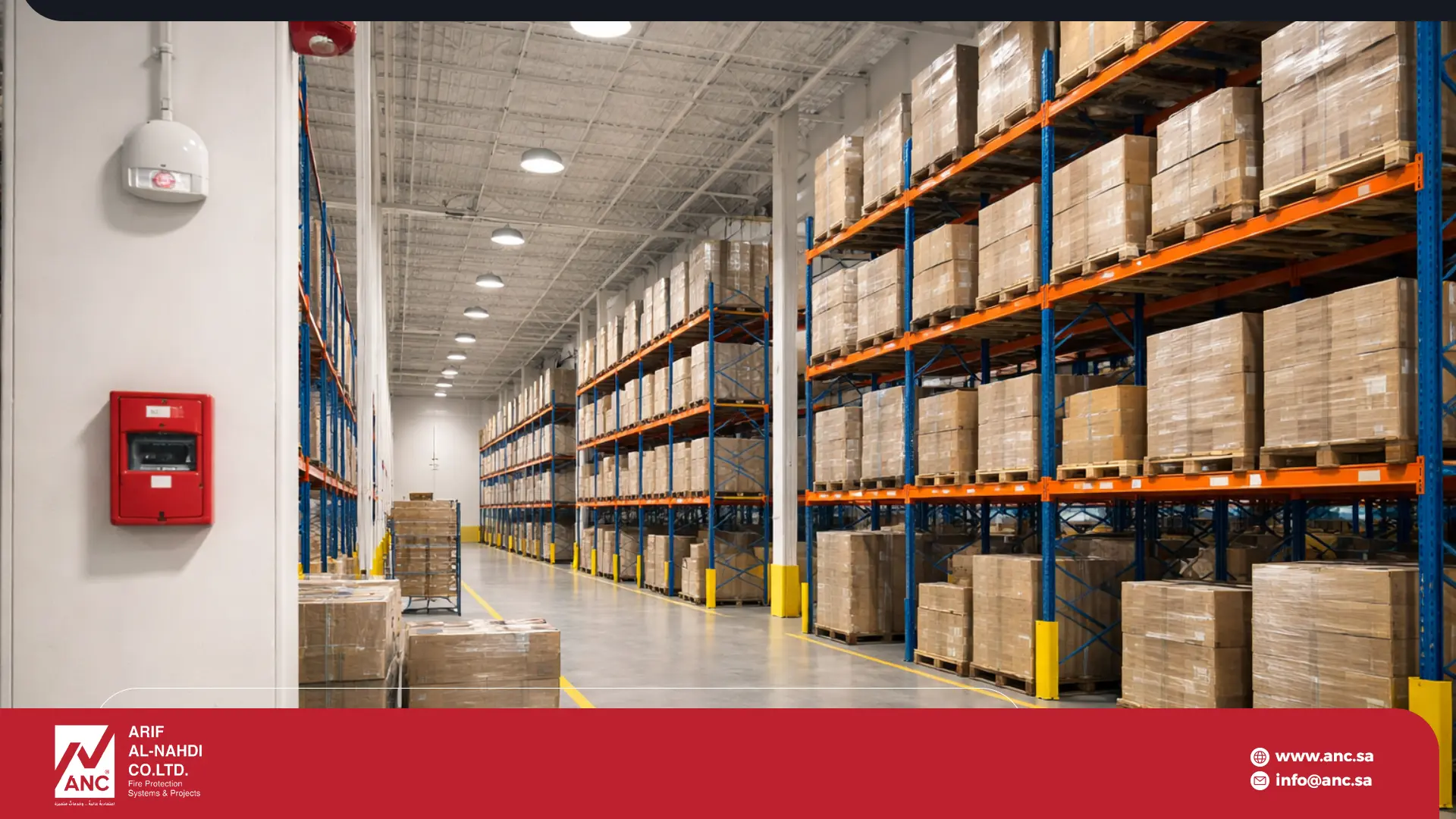
Which Fire Alarm System Type Is Often Suitable for Warehouses?
If you are evaluating a warehouse project, it helps to start with one practical point: there is no single fire alarm system type that fits every warehouse.
A warehouse may be a small low-rise storage facility, a large high-bay operation, a multi-zone logistics site, or a property expected to expand over time. Each of these conditions can change what the right system looks like.
Start with the facility itself
For your project, the better approach is to match the system type to the warehouse’s size, layout complexity, level of alarm visibility required, and long-term maintenance capability. In practice, the decision should come from the operating reality of the site, not from a generic preference for one system over another.
Larger or more complex warehouse environments
If you are dealing with a larger or more operationally complex warehouse, addressable or intelligent systems are often considered because they can offer more precise alarm-location information and may support easier management as the facility grows, changes, or becomes more segmented over time.
Smaller or more straightforward warehouse layouts
If your warehouse is smaller or the layout is more straightforward, conventional systems may still be considered where the zoning strategy is clear and the project requirements allow that approach.
From our side, we help clients assess these conditions early and provide technical consultation around which fire alarm system approach may be more suitable based on the facility layout, operational needs, and project scope.
Look beyond the alarm panel alone
If the warehouse is part of a wider fire protection strategy, it is also worth looking beyond the alarm panel itself. In many projects, the more useful discussion includes the broader protection context, coordination with related systems, and the overall requirements of the facility.
We support this stage through technical consultation that helps you review the project more holistically, especially when the warehouse is part of a larger safety, compliance, or expansion plan. Contact us for more info!
How to Choose the Right Fire Alarm System?
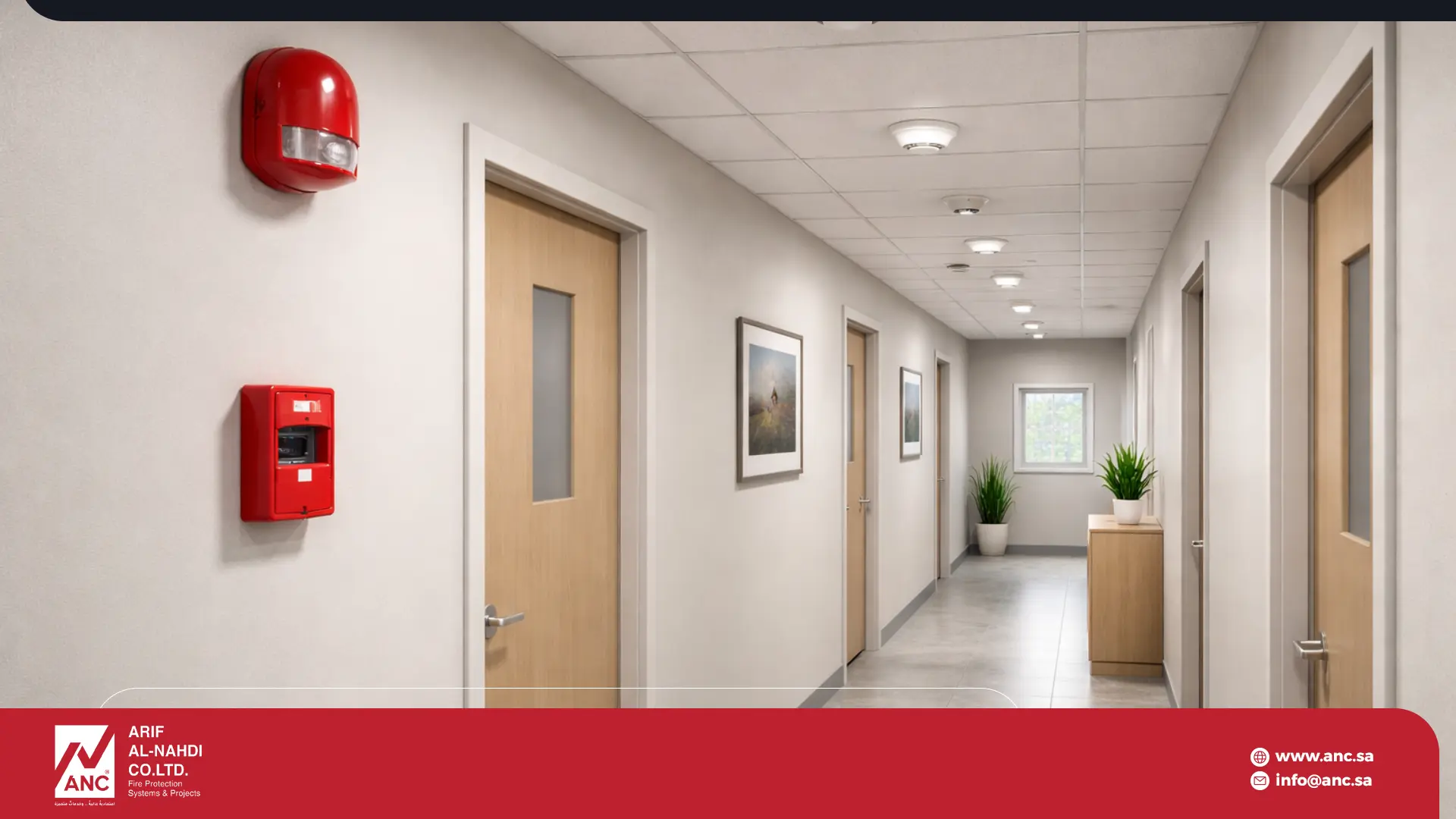
Choosing the right fire alarm system is usually a design-and-application decision, not just a hardware preference.
1) Building size and layout
Bigger or more segmented facilities often benefit from more precise alarm identification. The more complex the layout, the more valuable clear event visibility can become.
2) Required alarm-location precision
Ask how much location precision the operating team really needs during an alarm or fault event. In some buildings, zone-level visibility may be workable. In others, device-level visibility can save time and reduce confusion.
3) New build vs retrofit
Retrofits often change the conversation because wiring paths, building finishes, and downtime constraints can shape what is realistic.
4) Wiring constraints
Some sites are easier to cable than others. That affects whether wired or wireless pathways are even practical.
5) Maintenance capability
Selection should consider the full lifecycle, not just installation day. NFPA 72 includes inspection, testing, and maintenance requirements, which means the long-term maintenance routine matters when evaluating system type.
6) Future scalability
Consider how likely expansion or reconfiguration is. A system that fits today but creates friction during expansion may not be the strongest long-term decision.
Compliance in Saudi projects
For Saudi projects, code context matters as well. The Saudi Building Code framework and the Saudi Fire Protection Code sit alongside referenced standards, so the right answer must align with project approvals, owner requirements, consultant direction, and authority expectations.
Request a technical consultation through ANC’s Customer Service, if your team needs help translating building conditions into a practical system path!
Checklist Before Choosing a Fire Alarm System
Use this checklist before you request a quote or technical review:
- Facility type and occupancy are clearly defined.
- Approximate building size, layout, and key operating zones are documented.
- The project is identified as a new build, expansion, retrofit, or replacement.
- Wiring limitations or site access constraints are known.
- The team knows whether exact alarm location visibility is a priority.
- Integration expectations with wider fire protection measures are noted.
- Maintenance responsibility is clear after handover.
- Consultant, owner, insurer, or authority requirements are collected.
- Expansion plans for the next few years are considered.
- The project team is ready to share drawings, scope notes, or site observations during consultation.
How ANC SupportS Fire Alarm Systems Projects in Saudi Arabia?
At ANC, we do more than supply fire protection products. We support our clients through a broader service approach that starts with understanding the project itself, the site conditions, and the operational requirements before moving into the appropriate solution path. Our goal is to help each client make decisions based on real project needs, not on generic assumptions.
1- Supply That Matches Project Requirements
We provide a wide range of fire alarm systems, fire protection products and solutions to support different types of facilities and project scopes. This allows us to work with clients who need more than a single product and instead require a practical solution that fits the building, the intended use, and the wider fire protection context.
Our products:
1- Intelligent Addressable Gas Detection and Alarm System – BR.022
2- Maxlogic Intelligent Addressable Smoke Damper Control Module – MM.BRS.YD.001
3- Maxlogic ML-122X Intelligent Addressable Fire Alarm Control Panel – MM.BRS.YD.007
4- Maxlogic Intelligent Addressable Aspirating Smoke Detector – MM.BRS.YD.052
5- Conventional Gas Detection & Alarm System – MM.BRS.YD.061
6- Conventional Fire Extinguishing Control Panel – MM.BRS.YD.004
7- Conventional Fire Detection and Alarm Systems – MM.BRS.YD.058
8- Approved Marine Type Fire Detection and Alarm Systems – MM.BRS.YD.037
9- Intelligent Smoke Damper Control Modules – MM.KTL.YD.005
10- Industrial Gas Detection & Alarm System – MM.BRS.YD.064
11- Maxlogic SPRVSR+ System- Graphical Monitoring System – MM.BRS.YD.031
2- Installation and Execution Support
We also support projects during the implementation stage. That includes helping clients move from planning into execution with clearer technical direction, closer coordination, and a more practical understanding of what the project requires on site. For many clients, this creates a smoother path between selecting a solution and putting it into operation in a way that aligns with the actual conditions of the facility.
3- Maintenance and Long-Term Support
Our role does not end once the fire alarm system is in place. We also support clients through maintenance services and ongoing technical follow-up, because long-term performance depends on regular care, proper inspection, and timely service support. This is especially important for facilities that need dependable system readiness and want to reduce operational risk over time.
4- Technical Consultation from the Start
We provide technical consultation as part of how we work with clients from the beginning. If you are still evaluating options, defining scope, or trying to understand which direction is more suitable for your facility, we help turn that early uncertainty into a more structured technical discussion. This helps you move forward with clearer priorities, better alignment, and fewer gaps in the decision-making process.
5- A Practical Partner for the Full Journey
For our clients, this means working with one company that can support multiple stages of the project journey: supply, technical consultation, implementation support, and maintenance. By connecting these stages, we help create a more practical and reliable experience for project owners, consultants, contractors, procurement teams, and facility operators who need both product availability and technical support as part of the same relationship.
Need help choosing the right type of fire alarm system for your facility? Contact our team for technical guidance.
When to Contact a Fire Safety Specialist?
A conversation with a fire safety specialist is usually worthwhile when the project is new, the building is being expanded, the site is being retrofitted, or the team is preparing for compliance review and wants to avoid specification drift.
It is also useful when stakeholders disagree on whether the facility really needs simple zoning, device-level visibility, or a retrofit-friendly approach.
Information to prepare before requesting support
Before requesting support, prepare a short project summary:
Information to Prepare Before Requesting a Fire Alarm System Quote | Why it helps |
Facility type and city | Helps frame the application and local project context |
New build, retrofit, or expansion | Shapes installation and system-selection logic |
Main goal | Clarifies whether the priority is straightforward coverage, precise visibility, phased upgrade, or broader review |
Building layout notes | Supports early discussion around complexity and zoning |
Service needed | Consultation, quote, maintenance support, or technical guidance |
Consultant or owner requirements | Helps align early conversations with project realities |
Conclusion
Types of fire alarm systems are easier to evaluate when the discussion stays focused on real project conditions rather than generic rankings. In most practical classifications, the four main types are conventional, addressable, intelligent or analog addressable, and wireless.
The right choice depends on building layout, the level of alarm-location visibility needed, retrofit constraints, maintenance discipline, future expansion, and the project’s code context in Saudi Arabia.
If you are evaluating options for a warehouse, commercial building, or retrofit project, the checklist above can help you organize the discussion before moving into a qualified technical review. From our side at ANC, we support this stage through quote requests and technical consultation, so the recommendation is based on your actual facility conditions, project scope, and operational requirements.
FAQs about types of fire alarm systems
1- What are the main types of fire alarm systems?
The most common practical classification uses four main types: conventional, addressable, intelligent or analog addressable, and wireless. Some sources use different counts because they also include hybrid or manual categories.
2- What is a wireless fire alarm?
A wireless fire alarm system uses radio communication between devices rather than relying entirely on traditional wired device paths. It can be useful in retrofit projects or locations where cabling is difficult, but it still requires proper design, supervision, and maintenance planning.
3- What is the best fire alarm system for warehouses?
There is no single universal best type. Larger or more complex warehouses often consider addressable or intelligent approaches for more precise alarm visibility, while smaller and simpler sites may still consider conventional zoning depending on approved design and project requirements.
4- How to choose a fire alarm system?
Choose based on building size, layout complexity, required alarm-location precision, new build versus retrofit conditions, wiring constraints, maintenance capability, and future scalability. A technical consultation helps convert those factors into a fit-for-purpose solution.
5- What is a Manual fire alarm?
“Manual fire alarm” may refer either to a manual classification in some simplified models or to manual activation devices such as call points that work within broader fire alarm systems. In practice, many facilities use manual and automatic elements together.