
Certified fire protection systems in warehouses are a critical component of safety strategies for businesses in Saudi Arabia that store large quantities of flammable or sensitive materials. To ensure these systems operate efficiently in emergencies, regular maintenance and technological updates are vital factors that contribute to enhancing safety within warehouses.
Through periodic inspections of all system components such as pumps, pipes, alarms, and automatic sprinklers, faults or wear and tear can be detected before causing accidents. Additionally, integrating modern technologies like remote monitoring and smart systems enhances response speed and reduces potential risks.
In this article, we will review the importance of installing certified fire systems in warehouses, along with the significance of regular maintenance and technological updates to ensure effective and sustainable fire systems within warehouses.
Main Benefits of Fire Protection System Design for Warehouses
Fire protection systems in warehouses are among the most important preventive measures that protect lives and property from catastrophic accidents in Saudi Arabia. In this section, we will highlight the main benefits of designing and implementing integrated fire systems in warehouses, ensuring safety and protecting against financial losses.
1. Protecting Lives and Property
Protecting workers and property is crucial in a warehouse environment that contains flammable materials. The benefits include:
- Ensuring worker safety: Fire systems help quickly evacuate workers in emergencies, reducing injuries or fatalities.
- Protecting inventory and flammable materials: Through automatic fire suppression systems and sprinklers, inventory loss or damage due to fire is minimized.
- Reducing fire risks for surrounding areas: Effective fire suppression systems prevent fire from spreading to adjacent areas, minimizing its impact on neighboring businesses and facilities.
2. Compliance with Legal and International Standards
Warehouses in Saudi Arabia must comply with Saudi Civil Defense requirements and the latest international standards to maintain legal compliance:
- Meeting Saudi Civil Defense requirements: Fire systems are designed according to local regulations to ensure full compliance with all safety laws.
- Adherence to NFPA and SASO standards in system design: NFPA 20 and SASO standards ensure systems align with international best practices in design and installation.
- Avoiding legal penalties: Implementing integrated fire protection systems helps businesses avoid fines that may be imposed by regulatory bodies for non-compliance.
3. Reducing Financial Losses
Fire protection contributes to reducing financial costs associated with fires and ensures operational continuity in warehouses:
- Minimizing property damage from fire: Integrated fire suppression systems reduce the extent of damage to the warehouse and its contents.
- Lowering insurance costs: Having certified fire systems can lead to reduced insurance premiums in the event of a fire.
- Avoiding work stoppage and revenue loss: Quick activation of systems helps reduce downtime, improving business continuity and reducing financial losses.
كيفية تحسين كفاءة استجابة أنظمة الحريق لحالات الطوارئ في المستودعات
1. سرعة الكشف عن الحريق من خلال أنظمة الإنذار المبكر
أنظمة إنذار الحريق مثل الكواشف الحرارية والدخانية تساهم في الكشف السريع عن الحريق قبل انتشاره، مما يعطي العاملين في المستودع فرصة للإخلاء أو التعامل مع الحريق فورًا.
2. تفعيل أنظمة الإطفاء الآلي بشكل مباشر
أنظمة رش المياه التلقائية (Sprinklers) وأنظمة الإطفاء بالغاز تعمل فورًا على إخماد النيران في المراحل الأولى، مما يمنع اتساع الحريق وتجنب خسائر كبيرة.
3. تسهيل الإخلاء الآمن في حالة الطوارئ
تصميم المخارج وممرات الطوارئ بشكل يسمح بتدفق سريع وآمن للعمال، مع وجود إشارات إخلاء واضحة لضمان إخلاء فعال أثناء الحريق.
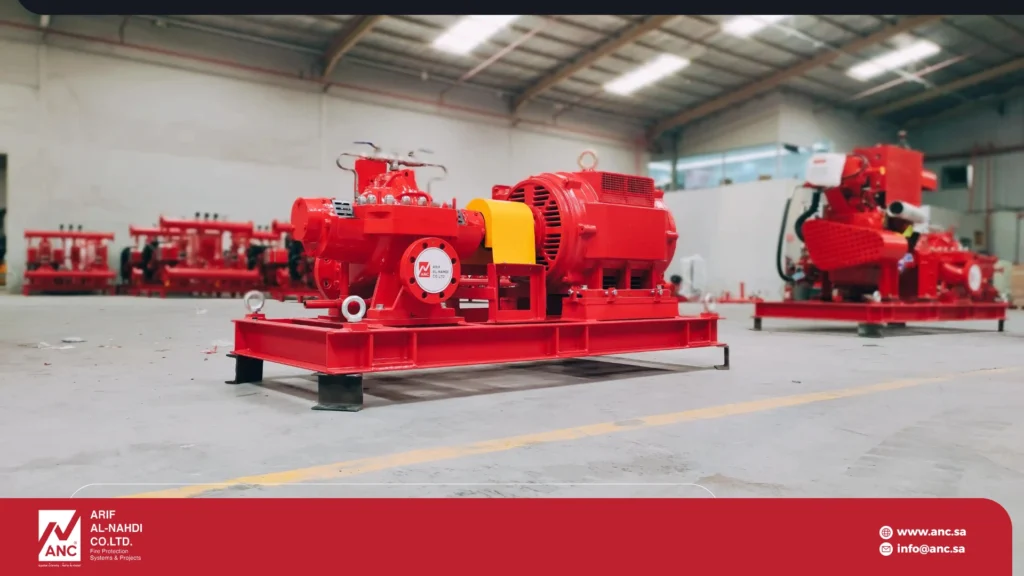
The Role of Regular Maintenance and Technological Updates in Fire Protection for Warehouses
In warehouses, where large quantities of materials and products are stored, protecting property and resources from the risk of fire is of utmost importance. To ensure that fire systems operate efficiently in emergencies, regular maintenance and reliance on modern technologies are among the key factors that guarantee a rapid and effective response.
In this section, we will discuss the importance of regular maintenance for fire systems, integrating modern technology to enhance performance, and the significance of periodic system testing to ensure readiness.
1. The Importance of Regular Maintenance to Ensure System Efficiency
Regular maintenance of fire systems is a critical step to ensure all components are functioning efficiently when needed. These systems include pumps, pipes, valves, smoke detectors, automatic sprinklers, and many other components that play a vital role in fire suppression.
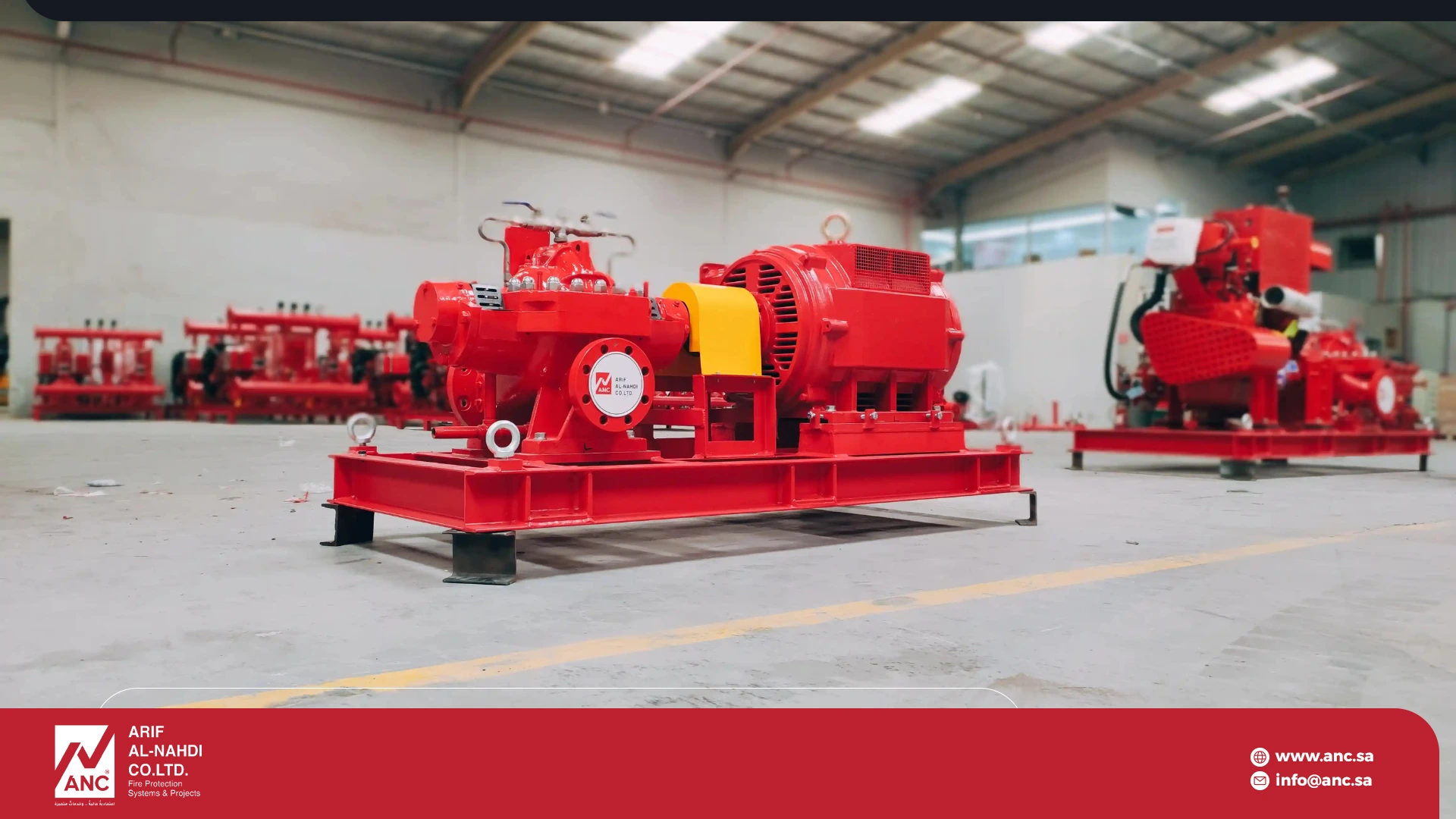
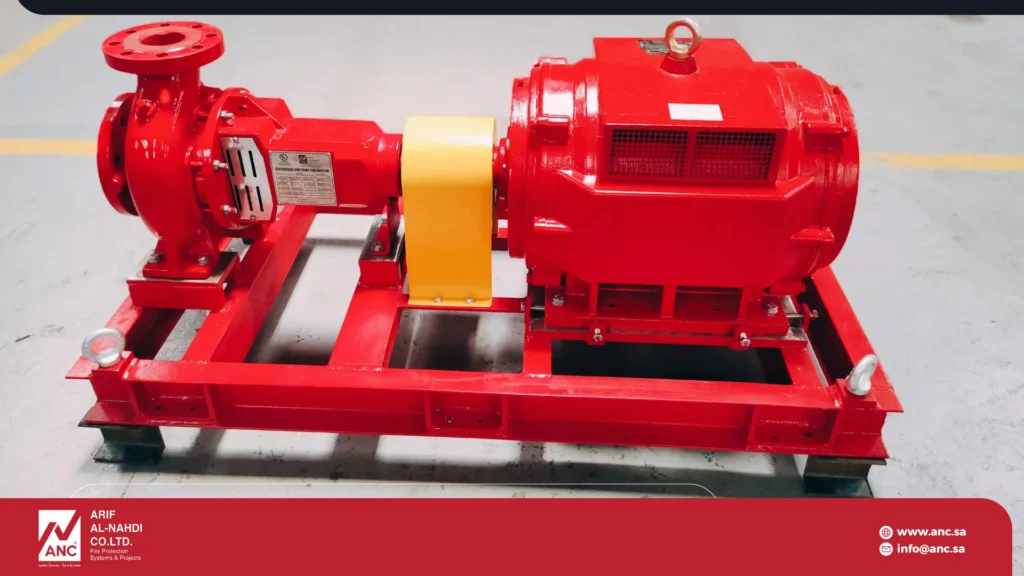
- Pump testing: To ensure that fire pumps are operating correctly and can provide the necessary pressure in emergencies.
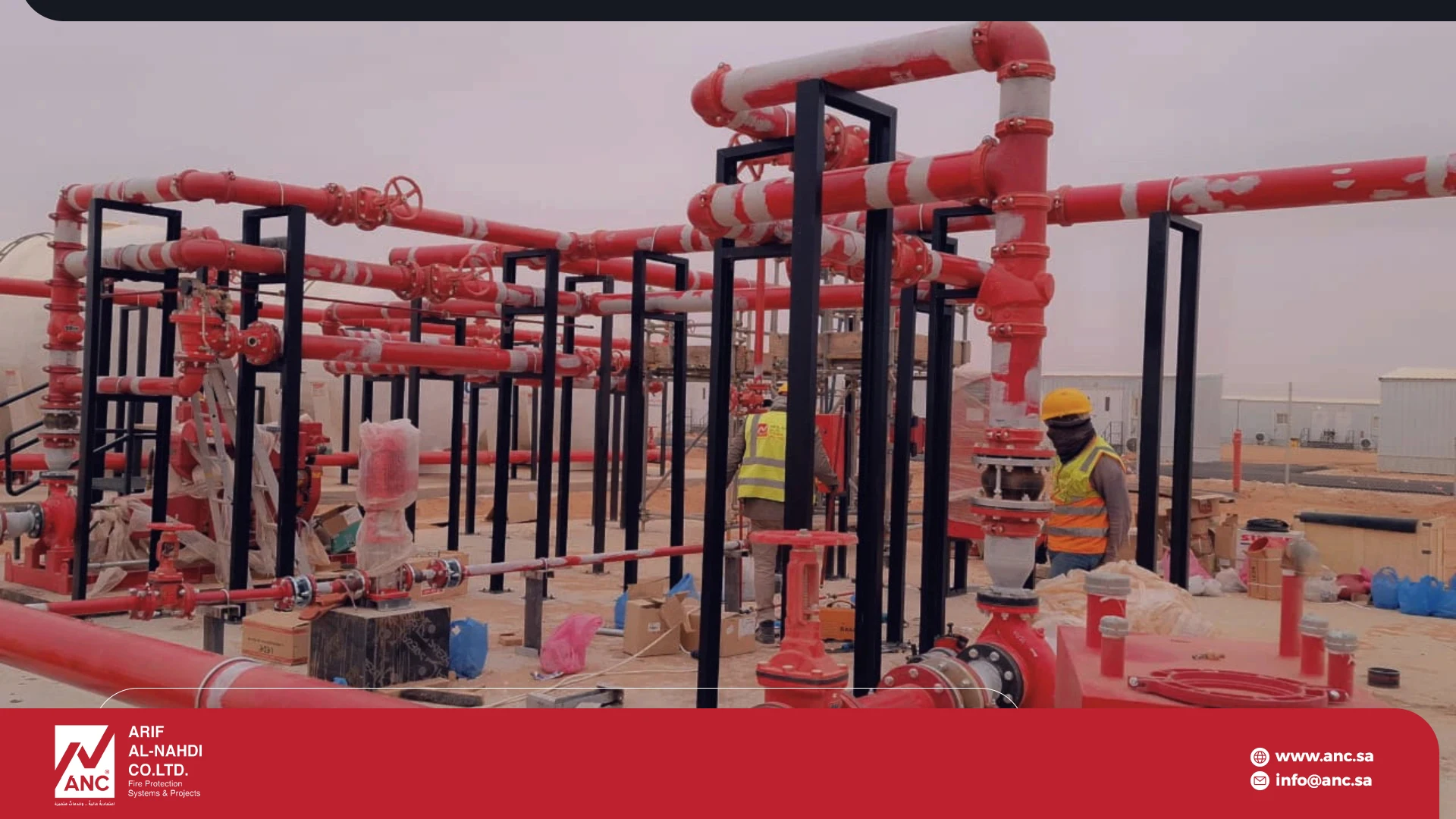
- Pipe and valve inspection: Pipes are checked to ensure there are no leaks or blockages that may affect water flow to sprinklers.
- Ensuring smoke and heat detectors’ efficiency: Testing detectors to ensure they are sensitive enough and work promptly when smoke or heat is detected.
Regular inspections help identify early failures and ensure that systems are operating at maximum efficiency, reducing risks in the event of a fire.
2. Integrating Modern Technology into Fire Systems
Modern technology significantly improves the effectiveness of fire systems. Smart technologies assist in remote monitoring of the system, allowing for automated operation and immediate control of all system components, providing:
- Real-time performance monitoring: Through smart systems, the performance of pumps, smoke detectors, and sprinklers can be tracked in real-time, ensuring that all systems operate at the highest efficiency.
- Faster response: In the event of a fire, smart systems assist in taking swift actions, such as activating automatic suppression systems or sending direct alerts to emergency teams.
- Periodic data analysis: These systems enable the collection of performance data and its comparison with set standards, helping in continuous system improvement.
By using modern technologies, fire systems become more accurate and reliable, enhancing the warehouse’s ability to deal with incidents effectively.
3. System Testing to Ensure Readiness in Emergencies
Periodic field tests are an essential part of preventive maintenance for fire systems. These tests ensure that systems are ready to operate at any time, and may include:
- Pump testing to verify that pressure and flow meet the required specifications.
- Sprinkler testing to ensure they operate consistently and cover all high-risk areas.
- Pipe inspection to check for any leaks or blockages that could affect the system.
These tests help ensure the system’s readiness to handle any emergency, ensuring that all systems meet legal and local requirements, guaranteeing a quick and effective response in the event of a fire.
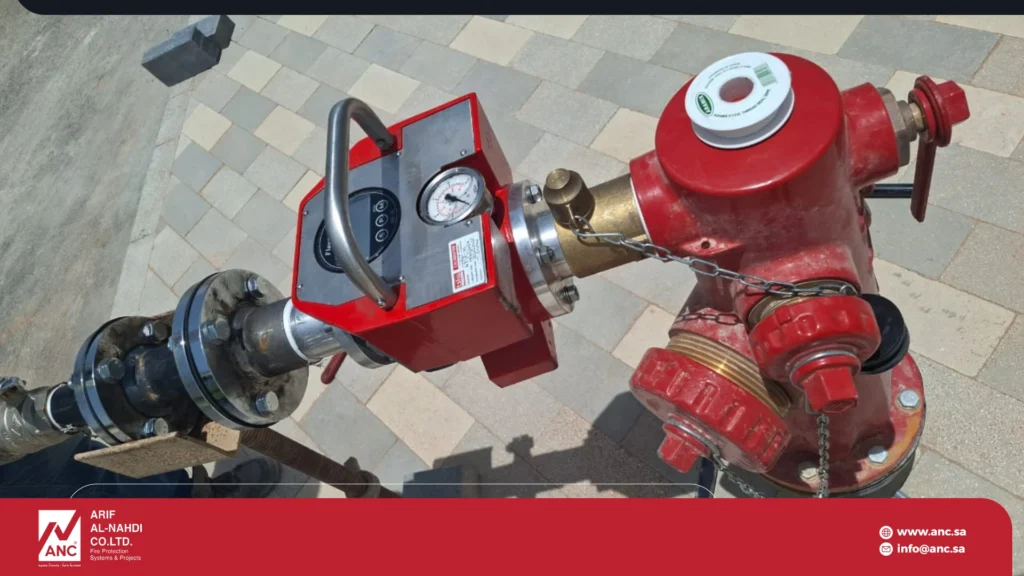
The Role of Arif Al-Nahdi Company (ANC) in Fire System Design for Warehouses
- Customized Engineering Consultations for Warehouses: Arif Al-Nahdi Company (ANC) provides specialized technical consultations for designing fire systems tailored to the warehouse’s needs based on space size and the type of materials stored.
- Implementation of Systems According to the Highest Standards: We apply the highest quality standards such as NFPA and SASO in the design and installation of fire systems that ensure high efficiency and effective response.
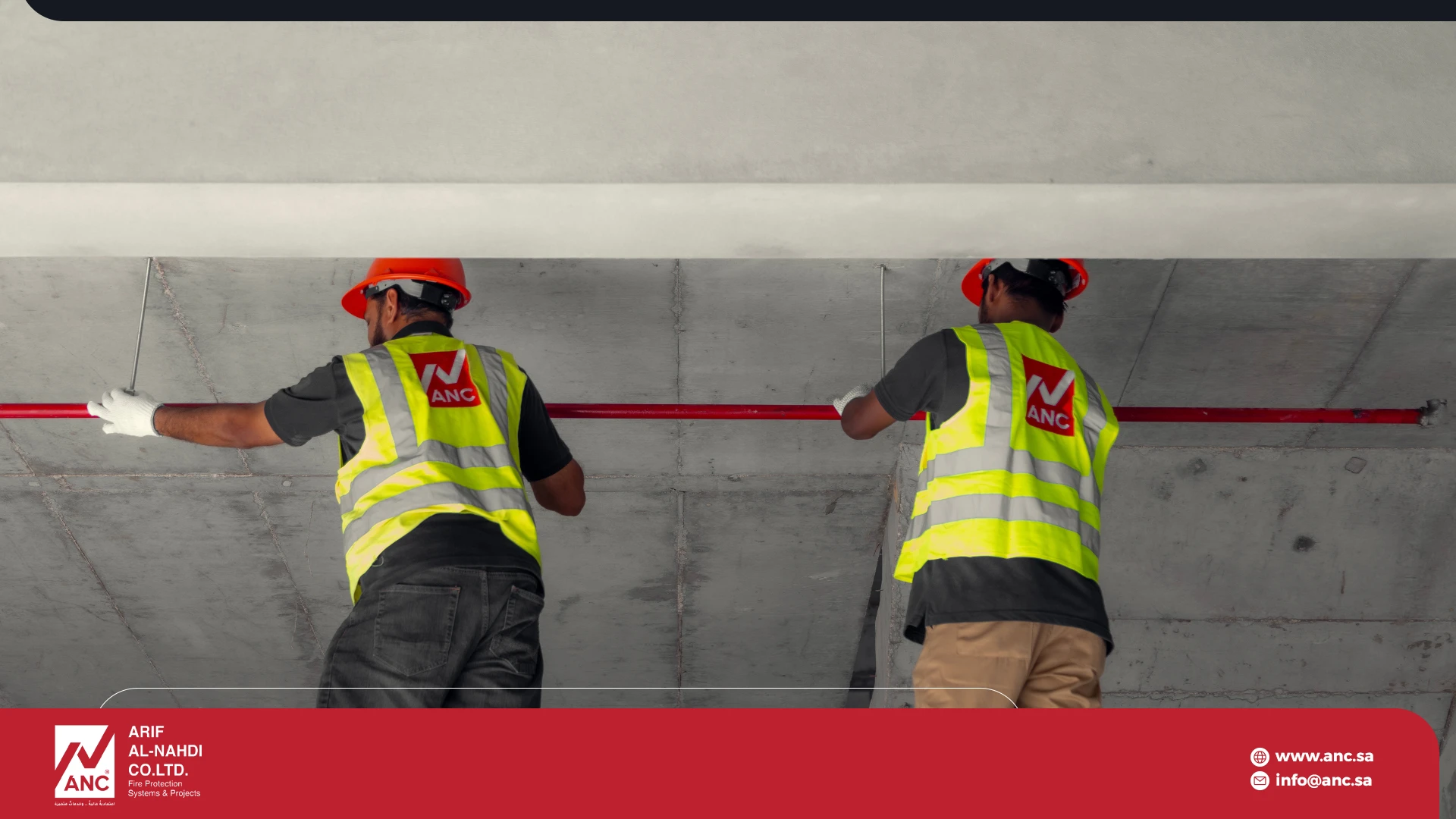
- Maintenance Services and Periodic Field Testing: We offer regular maintenance services and field tests to ensure that all fire systems operate at peak efficiency, enhancing performance continuity and providing complete protection for warehouses.
Arif Al-Nahdi Company (ANC) is the ideal partner for warehouses requiring reliable fire systems and integrated protection solutions. We are committed to providing the best solutions to ensure property safety and security while offering rapid response in emergencies.