
Learn how hot weather affects diesel fire pump batteries and discover best practices to extend battery life and ensure emergency readiness in Saudi Arabia.
Can you imagine a diesel fire pump failing during an emergency because of a small component like the battery, especially in hot weather? Temperature rises quickly inside pump rooms in Saudi Arabia, and with it, battery problems accelerate from weak charging and terminal corrosion to fluid evaporation and voltage drop. Although the diesel engine is independent of electricity and is an excellent choice during power outages, its readiness starts with a healthy battery capable of starting it within seconds.
In this article, you will learn about the impact of heat on fire pump batteries, the most important warning signs, and best practices for maintaining battery life and complying with maintenance requirements. Continue reading to ensure reliable diesel fire pump operation when needed and avoid costly failure that can be easily prevented.
Why Do High Temperatures Affect Fire Pump Batteries?
High temperatures affect fire pump batteries because they accelerate chemical changes inside the battery and increase stress on its components, reducing operational life and weakening readiness during actual operation. In hot pump rooms, the problem may escalate quickly if the battery is not monitored and maintained regularly.
Increased Chemical Reaction Rate Inside the Battery
Heat raises the speed of internal reactions, so the battery operates under continuous stress even in standby mode. This causes faster energy loss and gradual decline in ability to deliver strong starting current. Over time, battery efficiency decreases and response weakens when starting the diesel engine.
Internal Fluids Evaporate Faster
In Lead-Acid batteries, rising heat causes water to evaporate from the electrolyte faster than usual. Lower fluid level raises acid concentration and increases probabilities of internal plate damage. Consequently, actual capacity declines and chances of sudden failure rise if level is not replenished and checked periodically.
Battery Plate Deterioration and Reduced Lifespan
Heat accelerates internal plate corrosion and increases material deposits on plates over time. This deterioration reduces battery ability to retain charge and increases internal resistance. The result is shorter life and frequent charging and performance problems compared to moderate environments.
Increased Probability of Startup Failure During Emergencies
When operation is needed, the diesel engine requires high instantaneous current, and heat may make the battery unable to provide it efficiently. This may appear as slow response or inability to crank the engine as required. Therefore, battery monitoring in hot weather is a direct factor in fire fighting system readiness.
Signs of Diesel Pump Battery Deterioration Due to Heat
Signs of diesel fire pump battery deterioration in hot weather appear gradually, but ignoring them may lead to pump startup failure during emergencies. When noticing any abnormal indicator, it is preferable to treat it as early warning and conduct quick technical inspection before the problem escalates.
Voltage Drop
Appears as lower than usual volt reading or clear fluctuation in measurements during inspection. Often related to weak charging or increased internal resistance due to heat and plate deterioration. This drop reduces battery ability to provide starting current required for diesel engine.
Slow Diesel Pump Engine Startup
You notice the engine cranks slowly or takes longer to start compared to normal days. This happens when the battery cannot deliver strong starting current due to capacity decline or weak connections. With repeated occurrence, probability of engine not starting during actual operation need increases.
Battery Itself Overheating
You feel abnormal heat in battery body or near terminals after charging or during standby. This may indicate incorrect charging, overload, or terminal corrosion that raises resistance and causes heat. Rising heat accelerates deterioration and increases risk of swelling or leakage if it continues without treatment.
Fluid Leakage or Battery Swelling
Leakage appears around covers or terminals, or swelling appears in battery body as thermal stress sign. These are dangerous indicators because they mean cell malfunction or excessive internal pressure that may lead to sudden failure. In this case, safe shutdown, immediate inspection, and battery replacement if necessary according to approved specifications are recommended.
Also Read: Fire Protection Solutions for Solar Panel Farms and Power Stations in Saudi Arabia
Best Practices for Maintaining Diesel Fire Pump Battery in Hot Weather
Start maintaining diesel fire pump battery in hot weather through fixed routine combining measurement, cleaning, testing, and correct charging, because heat accelerates deterioration and reduces error margin during emergencies. When applying the following practices regularly, you will raise operational readiness, extend battery life, and reduce sudden failure probabilities.
Periodic Inspection of Battery Charge Level
Ensure measuring voltage and charge status regularly and not relying on visual observation. Early inspection reveals voltage drop before it transforms into weakness in diesel engine startup. Document readings to notice any gradual decline indicating early deterioration.
Ensure Terminal Cleanliness and No Corrosion
Clean terminals and remove any deposits or rust because they raise resistance and weaken current transfer. Corrosion around terminals may cause abnormal heat and reduce battery ability to deliver starting current. After cleaning, ensure proper covers and terminal protection are secured.
Test Battery Weekly According to NFPA 20 Requirements
Implement weekly test focusing on battery readiness and ability to support diesel engine startup. Regular testing reduces failure surprises and gives early indicator of performance weakness in heat. Record test results in maintenance log to ensure tracking and compliance.
Use Approved and Calibrated Battery Charger
Use approved charger calibrated to appropriate charging values to avoid overcharging or undercharging. Incorrect charging in heat may raise battery temperature and accelerate internal plate deterioration. Review charger settings periodically and ensure reading stability during operation.
Verify Electrical Connection Tightness
Tighten connections and ensure no looseness or vibration at terminals and cables. Loose connections cause voltage loss and localized heat rise that may weaken operation. Inspect connection points periodically especially after maintenance, vibrations, or temperature changes.
Additional Battery Protection Solutions in Hot Cities
Additional protection solutions complete what periodic maintenance starts, because they reduce diesel fire pump battery exposure to direct heat and stabilize its performance in peak summer. When applying these solutions inside hot pump rooms, the battery becomes less stressed and more capable of starting engine quickly during emergencies.
Install Thermal Insulation Around Battery
Thermal insulation helps reduce direct heat transfer from engine or room walls to battery body. This reduces cell temperature rise and slows internal component deterioration over time. Insulation materials should be suitable for industrial environments and not obstruct ventilation or inspection access.
Place Battery in Special Heat-Resistant Box
Dedicated box provides additional protection layer against thermal radiation, dust, and humidity. It also helps stabilize battery and reduce vibrations that may affect connections and terminals. Choose box that allows appropriate ventilation and ensures easy inspection and maintenance without complication.
Improve Pump Room Ventilation
Ventilation is decisive factor because heat accumulation inside room raises battery temperature even if in good condition. Improving airflow reduces surrounding temperatures and relieves thermal stress on battery and charger. Ensure ventilation paths do not draw hot air directly from exhaust or high temperature areas.
Use High-Temperature Rated Batteries
These batteries provide better ability to withstand high temperatures without rapid capacity loss. Swelling or leakage probabilities also decrease compared to general batteries when operating in extremely hot environments. Choose them according to approved specifications suitable for fire pump applications and site requirements.
Also Read: How Salinity Affects Fire Pumps in Coastal Cities (Jeddah/Al Khobar)
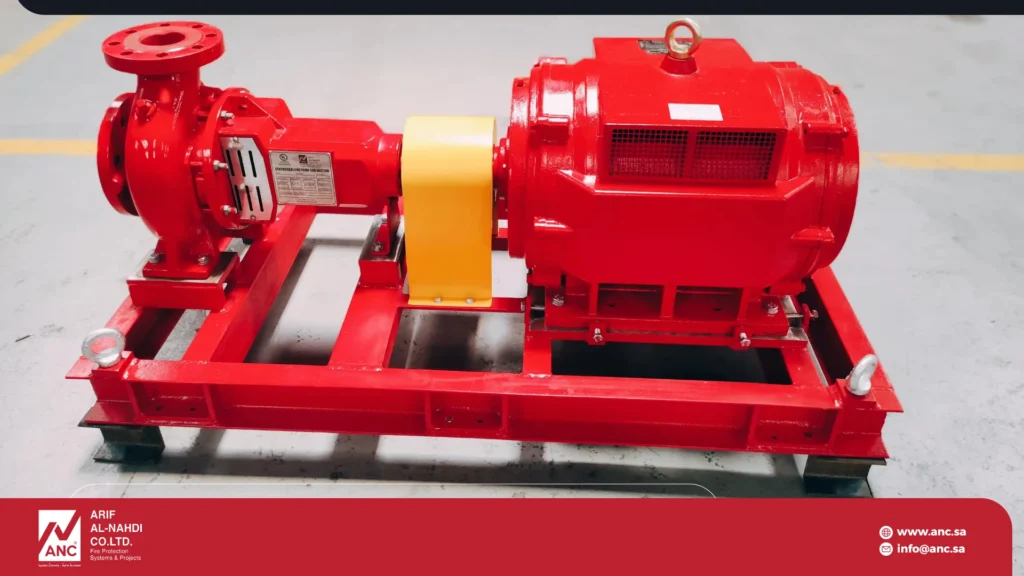
Battery Maintenance and Its Impact on Fire Pump Readiness
Battery maintenance directly raises diesel fire pump readiness, because any battery weakness immediately reflects on engine ability to start within seconds during emergencies. When maintenance is managed as system including scheduling, planned replacement, and documentation, sudden failure probabilities decrease and test results become more stable.
Importance of Monthly and Quarterly Maintenance
Monthly maintenance captures rapid changes caused by heat such as voltage drop, terminal corrosion, and charging malfunction. Quarterly maintenance is used for comprehensive review including deeper tests, charger review, connections, and calibration. Combining both ensures close monitoring without overlooking more comprehensive periodic inspections.
Need to Replace Battery Before End of Lifespan
Waiting until battery stops working raises startup failure risk at moment that accepts no testing or delay. Planned replacement before lifespan end reduces sudden failures and maintains strong starting current for diesel engine. It is preferable to link replacement decision to periodic test results not just chronological age.
Record Inspection and Maintenance Operations for Tracking and Compliance
Documentation transforms maintenance from practice into trackable system, and reveals any early deterioration pattern through reading comparison. It also supports compliance with authority and standards requirements and proves pump is managed according to clear safety procedures. Organized record reduces repeated errors and facilitates quick maintenance or replacement decision.
Common Mistakes to Avoid in Fire Pump Battery Maintenance
Simple mistakes in fire pump battery maintenance lead to major results during emergencies, because battery is starting point for diesel engine operation within seconds. To avoid sudden failures in hot weather, pay attention to the following common mistakes:
Relying on Cheap or Unapproved Batteries
Unapproved batteries may not withstand heat or provide starting current required for diesel engine. Quality variation also raises swelling, leakage, and faster capacity deterioration probabilities. The result is sudden failure or unstable performance in readiness tests.
Neglecting Terminal Cleaning
Corrosion accumulation on terminals increases resistance and reduces current flow, especially at startup. This may cause localized heat and voltage fluctuation even if battery is charged. Periodic cleaning maintains conductivity and reduces failures resulting from weak connection.
Not Monitoring Water Level in Lead-Acid Batteries
Heat accelerates water evaporation, and level drop damages internal plates and reduces lifespan. Battery may appear working, but actual capacity is less than pump needs during operation. Monitoring and filling according to instructions prevent early damage difficult to compensate later.
Leaving Battery Without Sufficient Charge for Long Periods
Insufficiently charged battery loses ability to deliver strong current, and may deteriorate faster in heat. Neglect also raises weak operation probabilities during weekly test or emergencies. Having approved and calibrated charger and periodic monitoring prevents this problem from roots.
Why Choose ANC for Diesel Fire Pump Battery Maintenance?
If diesel fire pump readiness depends on battery that tolerates no error, its maintenance must be in hands of entity that knows reliability requirements and working in Saudi Arabia heat. With ANC you get service focusing on preventing failure before occurrence, and ensuring battery, charger, and connections are ready for operation at any moment.
- Extensive experience in approved fire systems
- Periodic inspection and maintenance meeting NFPA and SASO requirements
- High quality batteries suitable for heat in Saudi Arabia
- Immediate response and specialized technical team
In hot weather, diesel fire pump battery becomes decisive element in operational readiness, and its periodic maintenance is not luxury but guarantee for site safety during emergencies. Ensure correct inspection, testing, and charging before simple weakness transforms into costly startup failure.
Contact ANC now for professional inspection and maintenance according to NFPA and SASO requirements and ensure highest readiness for your fire pump.