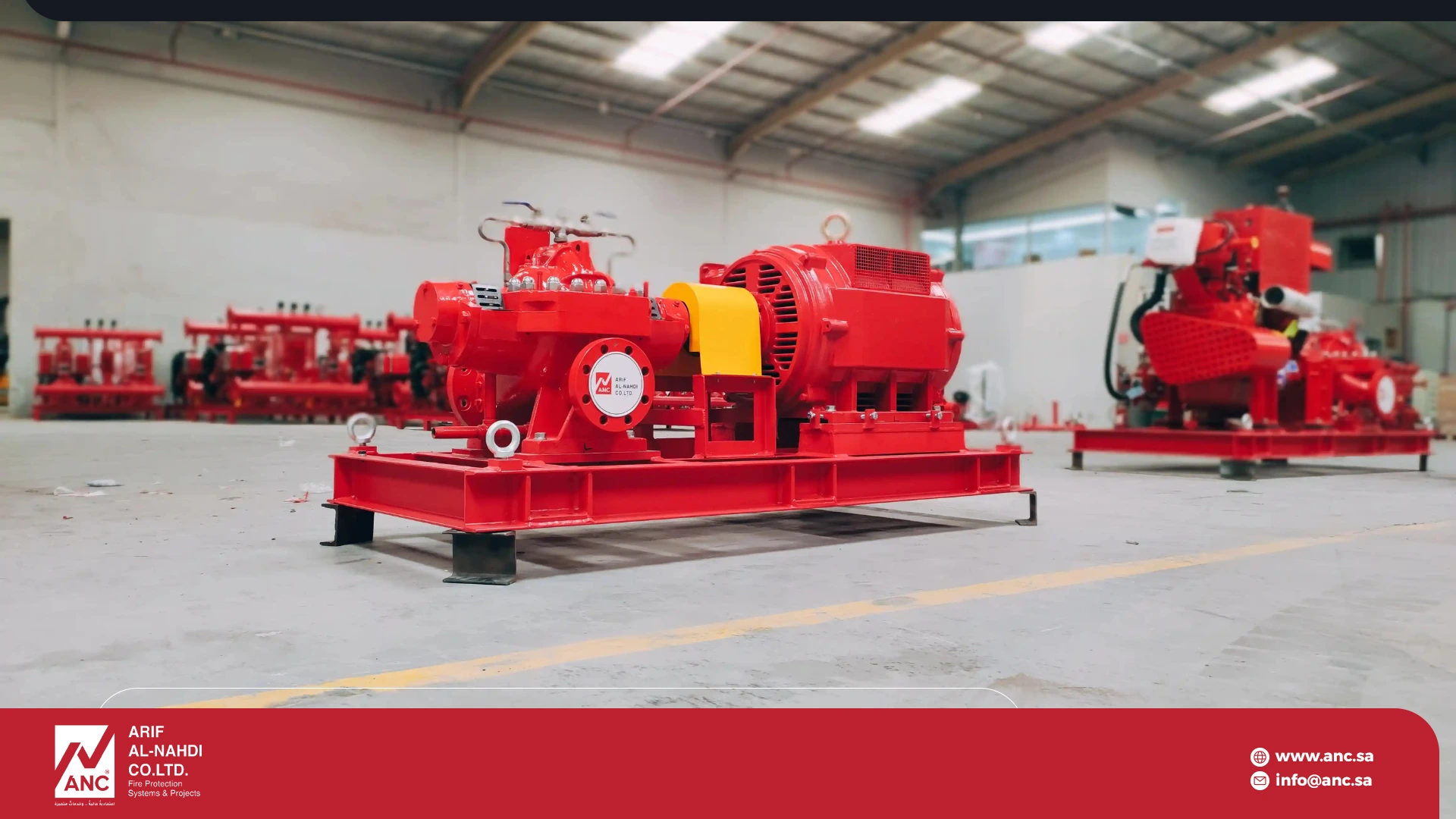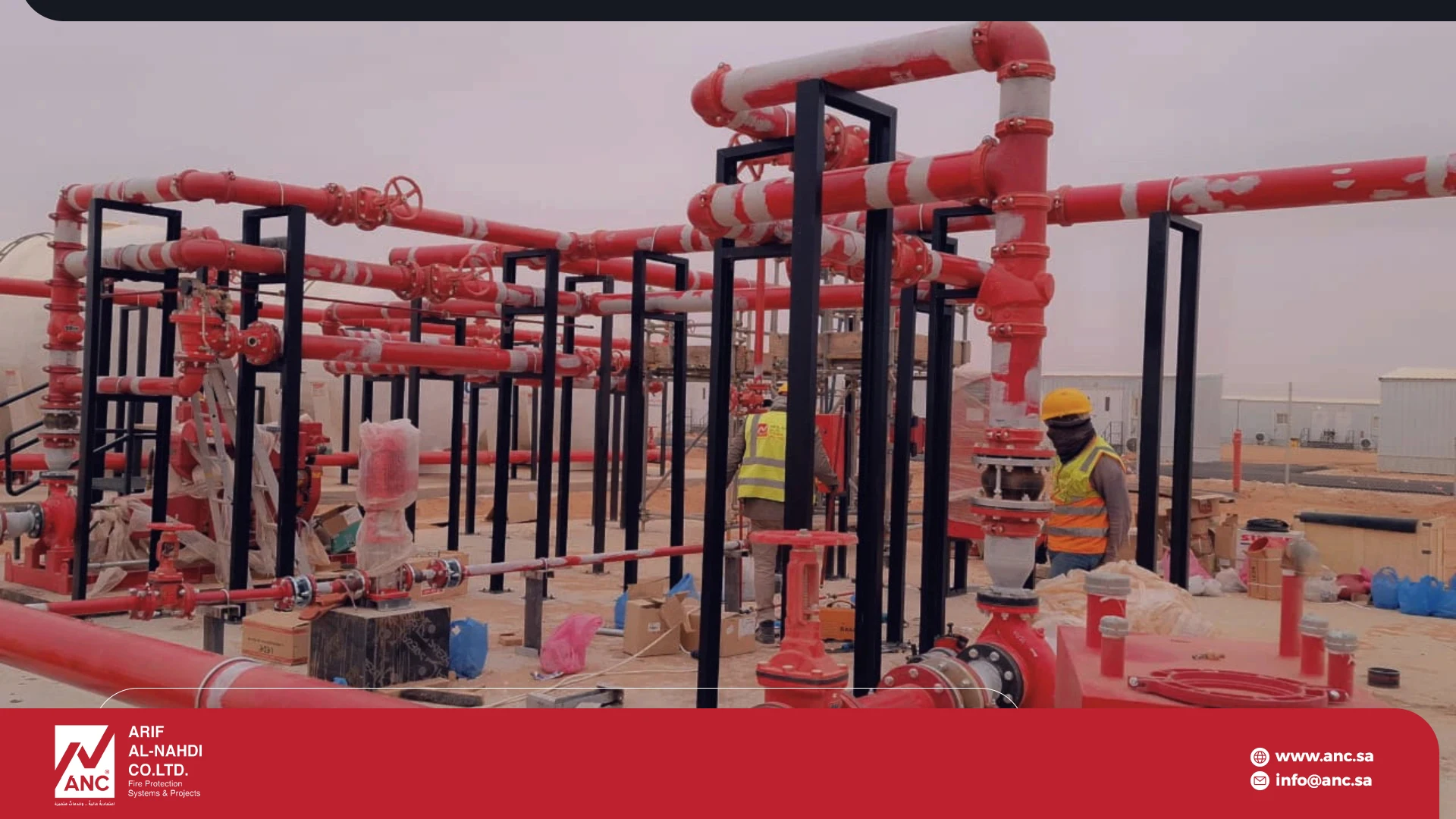

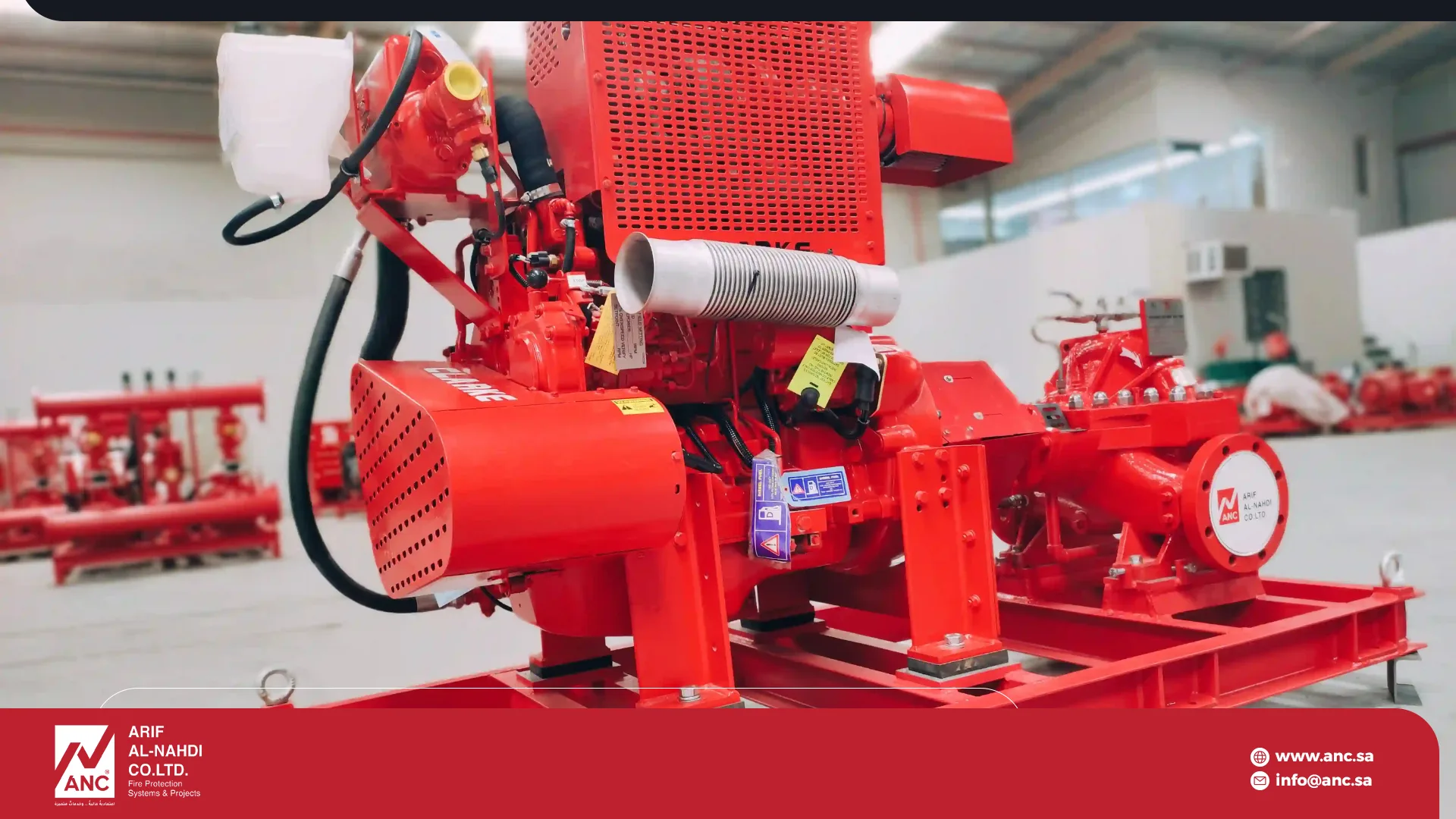
Fire pumps are a key component of fire protection systems in buildings and warehouses, providing the necessary pressure and flow to effectively and quickly extinguish fires.
To ensure that fire pumps operate efficiently in emergencies, regular testing and preventive maintenance are critical. It’s not enough to just install the pump initially; continuous readiness must be ensured through periodic inspections and field tests.
In this article, we will discuss how to test the effectiveness of a fire pump and the importance of a preventive maintenance schedule, outlining weekly, monthly, and annual tasks to ensure optimal performance. We will also explore best practices to guarantee that the system operates at peak efficiency when needed.
The Importance of Testing Fire Pump Effectiveness to Ensure Performance During Emergencies
Fire pumps are a fundamental part of fire protection systems, ensuring the delivery of adequate pressure and flow to quickly and efficiently extinguish fires.
They are used to activate automatic sprinkler systems, fire hoses, and other fire suppression systems within buildings. However, to ensure that fire pumps operate effectively in emergencies, regular testing is required to confirm their responsiveness during critical moments.
What Is Meant by “Pump Effectiveness”?
The effectiveness of a fire pump refers to its ability to provide the required pressure for water and deliver the appropriate flow to reach all fire points, even in upper floors or areas that are difficult to access. In the event of a fire, it is crucial that the pump can provide sufficient water pressure to activate sprinklers or allow firefighting teams to effectively reach the fire.
Why Do Fire Pumps Fail Sometimes?
Although certified fire pumps are designed to work under emergency conditions, they may face the following issues:
- Blockages or wear in the pipes or the pump itself due to prolonged use or the surrounding environment.
- Corrosion or loss of efficiency in the motor, reducing the pump’s capacity to function during crucial moments.
- Leaks or malfunction in the valves or suction lines affecting water flow.
These faults may lead to the pump stopping or losing its efficiency, making regular inspection and field tests essential to prevent these problems.
International Standards and Guidelines for Fire Pump Testing
To ensure that fire pumps meet the performance requirements in emergencies, testing standards are outlined in international regulations like NFPA 25 (National Fire Protection Association). These standards include:
- Pressure and flow tests to ensure water reaches all necessary points in the system.
- Total pressure test to confirm that the pump can provide high and continuous pressure.
- Inspection of other components such as valves, suction, and discharge lines to ensure there are no leaks or blockages.
The Importance of Regular Pump Inspections
Along with international standards, regular inspections of the pumps include checking each system component to ensure it is in optimal condition when needed:
- Water pressure check to ensure it does not drop below required levels.
- Pump operational test for short periods to ensure it can run continuously.
- Monitoring fuel levels (for diesel-powered pumps) and ensuring battery safety in electrical systems.
Performing these inspections regularly can help identify early faults and enhance system readiness in emergencies.
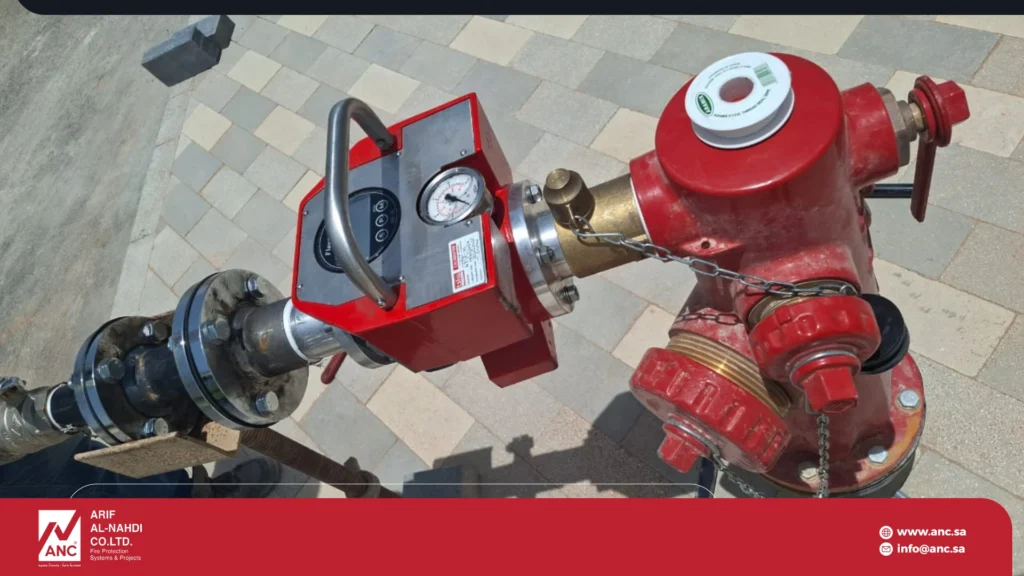
Fire Pump Preventive Maintenance Schedule Based on Weekly, Monthly, and Annual Tasks
Preventive maintenance for fire pumps is essential to ensure the readiness of the system and its quick response in emergencies. Fire pumps operate in critical environments that require rapid and effective action, which makes having a regular maintenance schedule crucial to ensure the pump’s optimal performance at all times.
In this section, we will explore the preventive schedule to maintain fire pump effectiveness, based on weekly, monthly, and annual intervals.
1. Weekly Tasks
Although pumps are often continuously running or waiting for emergency signals, there are essential tasks to check weekly to ensure proper performance, including:
- Churn Test (Pump Test): Run the pump for a short period without flow to determine its rapid startup capability.
- Valve Check: Ensure that check valves are working properly to prevent water from flowing in the wrong direction.
- Electronic Device Check: Verify that all indicators and gauges on the control panel are functioning properly and displaying accurate readings.
2. Monthly Tasks
Monthly tasks focus on the comprehensive inspection of some components that require regular checks to maintain the system’s optimal performance, including:
- Fuel Levels Check (if the pump is diesel-powered) or Battery Check (for electric systems).
- Inspect Pipes and Hoses: Ensure there are no leaks or blockages that could affect water flow.
- Check Ventilation Valves: Ensure the valves are working properly to allow air flow and relieve excess pressure.
3. Annual Tasks
Annual tasks involve comprehensive tests to ensure that the pump and fire suppression systems are ready for emergency use. These include:
- Complete Pressure and Flow Test: Conduct a test to ensure that the water pressure is sufficient when the pump is operating at full load, guaranteeing it meets the design requirements.
- Emergency Pump Test: Run the pump using a backup generator to verify it will function during a power outage.
- Check Valves, Motors, and Electrical Connections: Perform a full inspection of all components, ensuring motor alignment and electrical safety.
4. Tasks Every 5 Years or After Actual Use
After activating the pump in an emergency situation or every five years, a full inspection of every pump component is required to ensure continued optimal performance. This includes:
- Internal Pump Inspection: Open the pump and check all internal components such as blades and bearings for wear.
- Replace Vital Components like motor blades or seals that may wear down over time.
Regular preventive maintenance is the key factor in ensuring fire systems operate efficiently during critical moments, helping prevent unexpected failures or delays in the pump’s response during emergencies. Proper documentation of operations and maintenance, including periodic reports, enhances system reliability and supports compliance with legal and operational standards.
At Arif Al-Nahdi (ANC), we offer maintenance and periodic inspection services following the latest standards such as NFPA 25 and SASO to ensure performance continuity and protect facilities from potential risks.
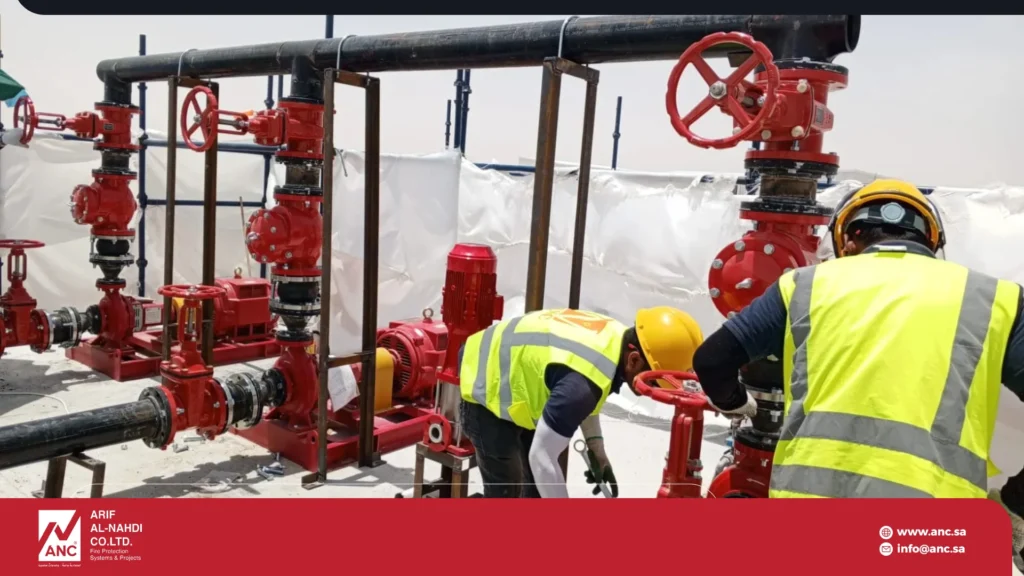
The Role of Arif Al-Nahdi Company (ANC) in Testing the Effectiveness of Fire Pumps
Arif Al-Nahdi Company (ANC) plays a pivotal role in testing the effectiveness of fire pumps and ensuring their readiness to operate in emergencies through a comprehensive package of specialized services:
- Providing field testing services for pumps according to local and international standards to ensure that the pump reaches the required pressure and flow during immediate operation.
- Developing customized maintenance schedules for each project based on building size and pump type, including weekly, monthly, and annual tasks to ensure continuous performance.
- Conducting pre-delivery tests that include pump operation, valve inspection, and verification of control system functionality, providing assurance to facility managers.
- Offering preventive maintenance contracts that include routine follow-ups, technical inspections, component updates, and emergency services to ensure the system operates at maximum efficiency throughout the facility’s lifespan.
- Providing specialized technical consultations to determine the most suitable systems for each building or project, considering specific needs such as commercial towers, warehouses, or industrial facilities.
Through these roles, Arif Al-Nahdi Company (ANC) ensures that fire pumps in every facility are perfectly prepared to handle emergency situations with high efficiency, enhancing the safety of lives and property and ensuring business continuity without disruption.
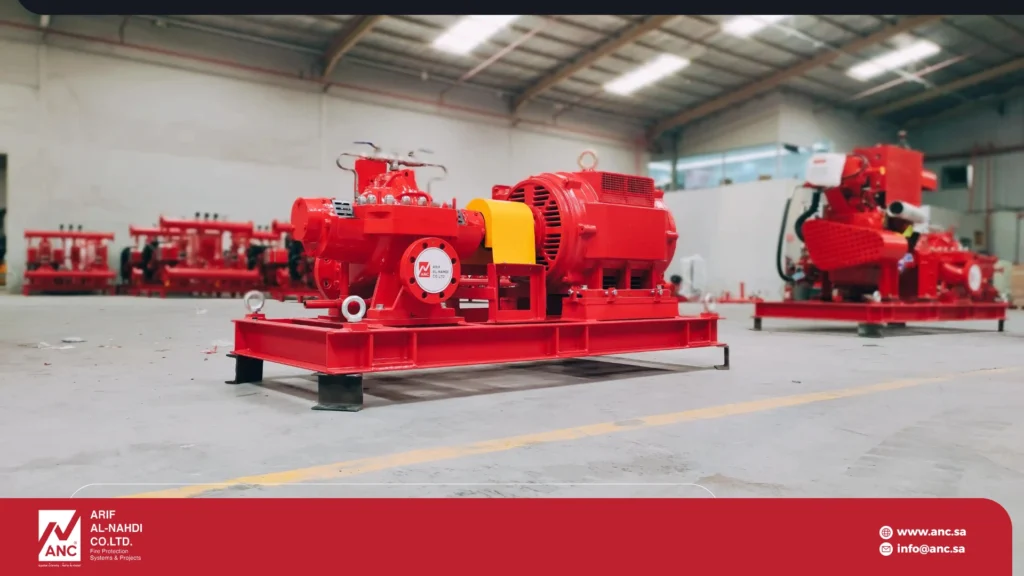
Tips for Improving Fire Pump Testing and Ensuring Effectiveness
Testing the effectiveness of fire pumps is crucial to ensure the system works efficiently during emergencies. To guarantee the highest level of safety, certain tips should be followed to ensure effective tests and maximize the benefit of the system. Here are some tips that can help improve the fire pump testing process and ensure its readiness:
1. Adherence to International and Local Standards
- Compliance with international standards such as NFPA 20 and SASO is essential for effective testing. Make sure all tests align with local and international legal requirements.
- Applying these standards enhances the reliability of the system and tests the fire systems’ efficiency according to global best practices.
2. Comprehensive Fire Pump Component Inspection
- Pump testing should include a full inspection of all components such as motors, valves, pipes, and control systems.
- Ensure that every part is functioning efficiently, keeping the system ready during emergencies. For example, check non-return valves periodically to ensure they function correctly without leaks.
3. Use of Accurate Measurement Techniques
- Use modern measuring devices to measure pressure and flow during tests to ensure the pump meets the specified requirements.
- Digital devices ensure more precise measurements, which helps in early detection of any faults that might occur in the system.
4. Testing Under Real Emergency Conditions
- Tests should simulate actual fire conditions such as performing full-pressure tests in a short time frame.
- Conduct full-pressure tests (at least 150% of the designed capacity) to ensure the system can meet all emergency requirements.
5. Documentation and Follow-up of Fire Pumps
- Accurately recording test results is critical. All details related to tests, including results, corrective actions, and the next inspection date, should be documented.
- Having accurate records makes it easier to continuously review the systems and ensures compliance with legal standards.
6. Performing Regular and Backup Tests
- It’s crucial to conduct regular tests (weekly, monthly, and annually) to ensure the system’s performance during emergency situations.
- Tests can include weekly operational tests to check the pump’s capacity without pressure and analyze its performance under full load.
7. Operator and Technician Training
- Ensure that all operators and technicians are trained on how to operate the system during emergencies.
- Training technical teams to regularly test fire pumps can improve system efficiency and ensure a rapid response.
8. Collaborating with Specialized Partners for Fire Pump Maintenance
- Work with specialized companies in fire system testing and maintenance to ensure all systems operate with full efficiency.
- Companies that provide continuous testing and updates ensure extra protection for buildings and facilities.
At Arif Al-Nahdi Company (ANC), we offer comprehensive testing and maintenance services for fire systems, applying the highest quality standards to ensure reliable performance of the pumps at all times.