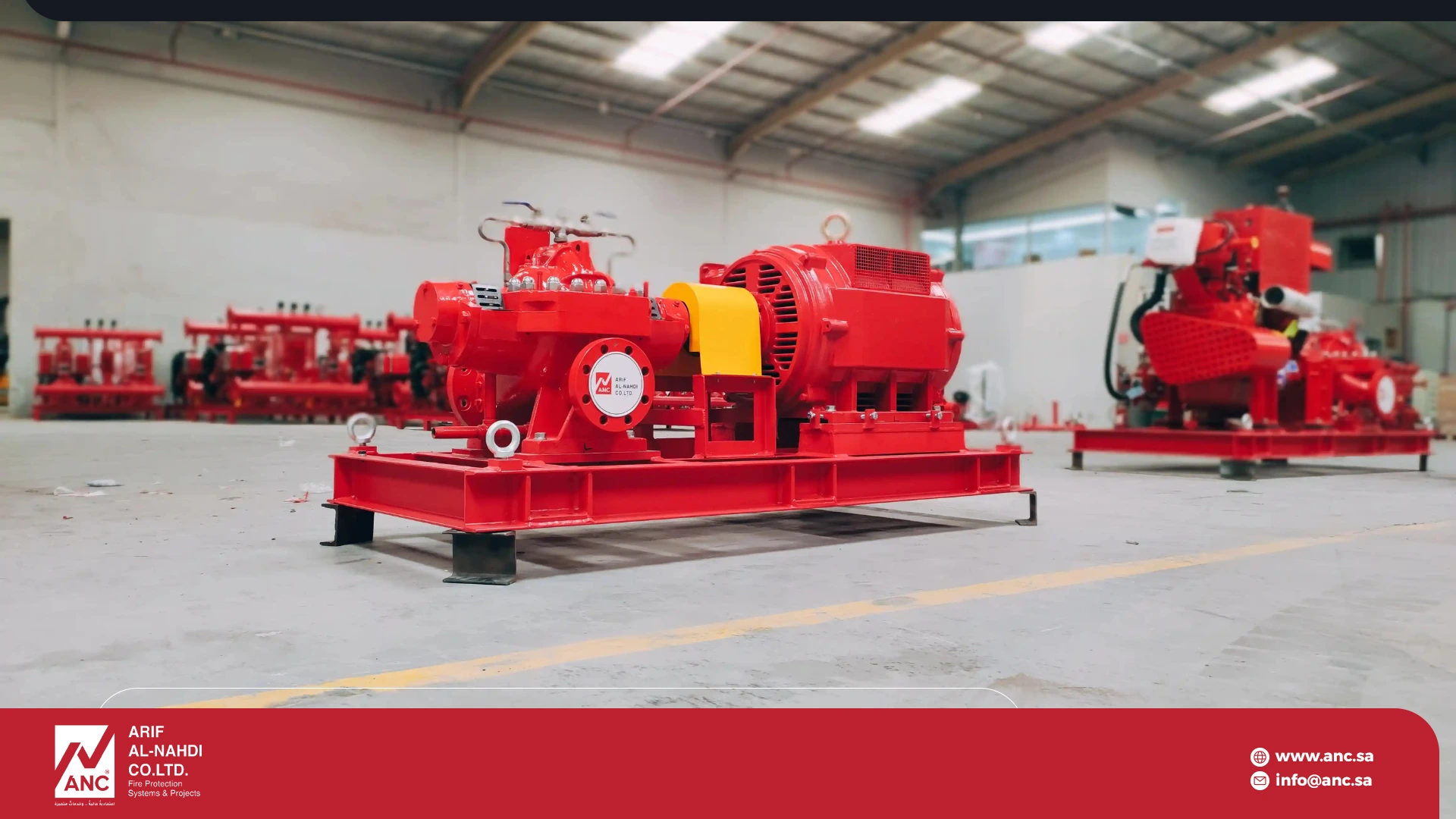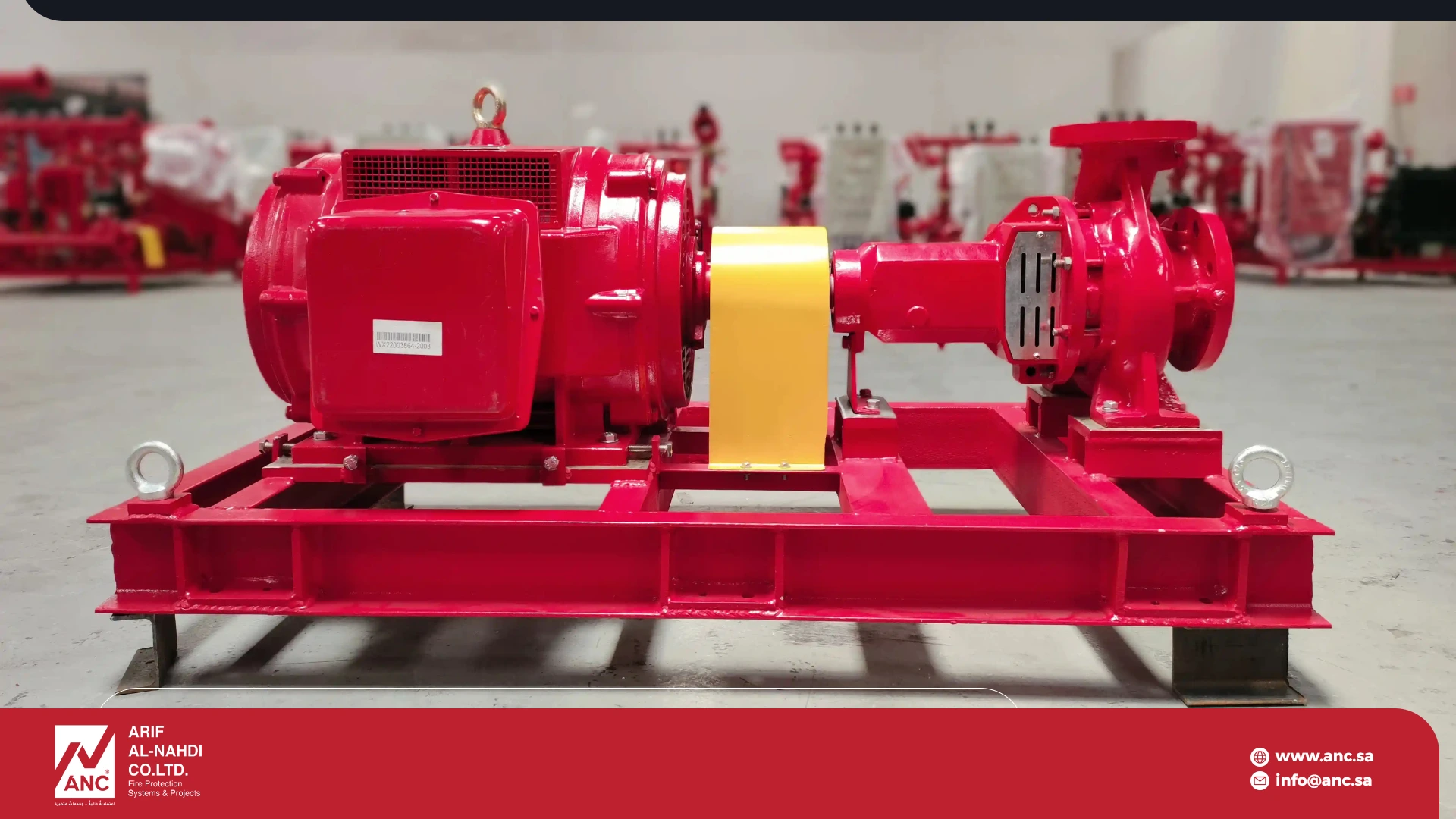

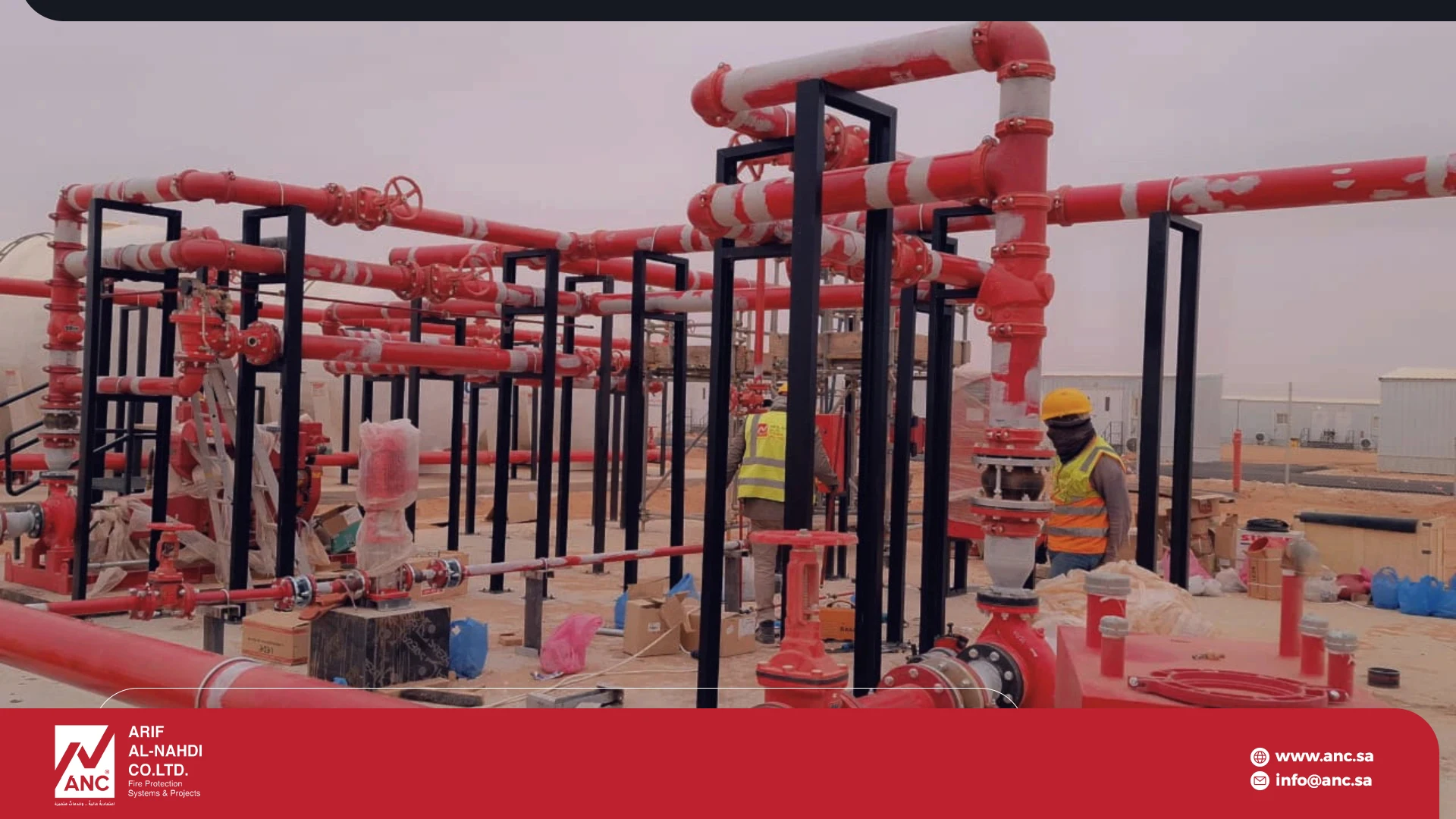
Proper installation of fire protection systems in buildings is essential for ensuring the safety of lives and property during emergencies. Fire suppression systems act as the first line of defense against incidents that can lead to severe damage and pose serious risks to occupants.
In this article, you will learn about the importance of correctly installing fire protection systems in buildings and how to choose the right contractor in Saudi Arabia to ensure system efficiency and reliable performance.
What Is a Fire Protection System?
A fire protection system is a collection of tools and technologies designed to protect buildings and facilities from potential fires—either by providing early detection or by extinguishing the fire effectively. This system includes various components such as fire suppression systems, which deliver water or other extinguishing agents to control and put out fires, as well as fire alarm systems that alert occupants inside the building when a fire hazard is detected. Fire protection systems rely on interconnected components such as pumps, sprinklers, valves, and control devices to ensure a quick and efficient response during emergencies. The types of fire protection systems vary depending on the type and size of the facility and may include water sprinkler systems, gas suppression systems, or foam-based fire extinguishing systems.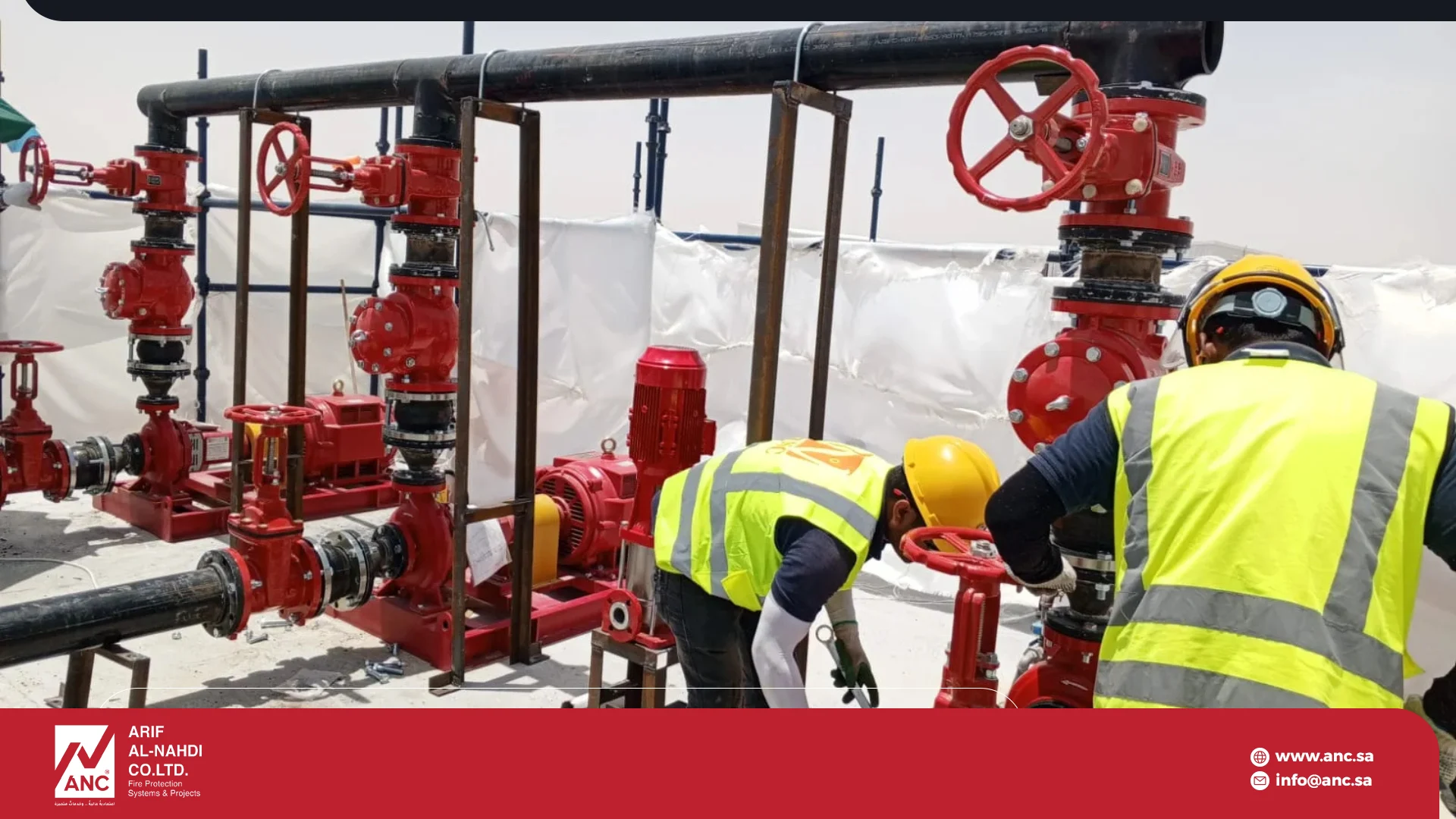
Types of Fire Protection Systems and How to Choose the Right One
Fire protection systems vary based on the safety needs and design requirements of each building or facility. Choosing the most suitable system depends on several factors such as the type, size, and purpose of the building. Here are the main types of fire protection systems and how to choose the best option:
1. Water Sprinkler Systems
These are among the most common fire suppression systems used in residential, commercial, and industrial buildings. They automatically discharge water when heat is detected, helping extinguish fires quickly. Sprinkler systems are ideal for buildings containing flammable materials such as wood or plastics.
2. Gas Suppression Systems (FM-200, CO₂, Novec)
These systems use non-flammable gases—such as CO₂ or FM-200—to extinguish fires rapidly without damaging sensitive electronic equipment. Gas suppression systems are commonly used in critical facilities such as data centers, server rooms, and areas containing expensive technological assets.
3. Foam Fire Suppression Systems
Foam systems are designed to extinguish fires involving flammable liquids or combustible materials. They are ideal for factories and warehouses storing hazardous liquids such as oils and fuels.
4. Dry Chemical Systems
These systems use dry chemical powder to suppress fires, making them suitable for electrical fires or oil-related fires. They are ideal for commercial kitchens and facilities that house large electrical equipment.
How to Choose the Right Fire Protection System for Your Facility
When selecting a fire suppression system, consider the following key factors:
- Type of building: Is it residential, commercial, or industrial? Each requires a different system.
- Building size: The fire protection system must match the area that needs coverage.
- Construction materials: Systems should align with the flammability level of materials used in the building.
- Power availability: Determine whether the system can rely on electricity or requires a backup power source.
Choosing the right fire protection system requires balancing performance with installation and maintenance costs. At Arif Al-Nahdi Company, we provide fire suppression systems that comply with international and local standards, including NFPA and UL, ensuring reliable and effective protection for your facility.
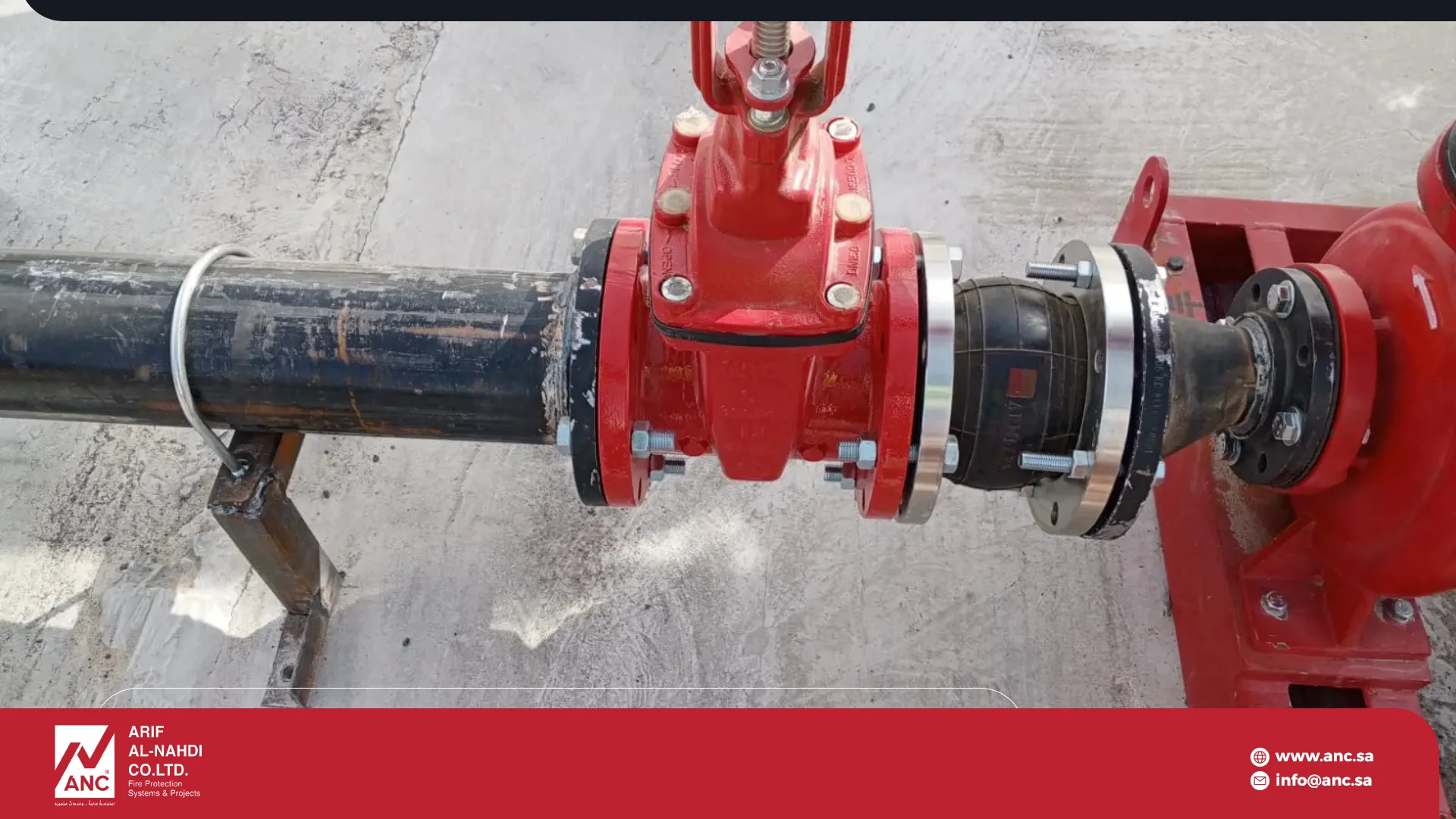
What Are the Components of Fire Suppression Systems?
Fire suppression systems consist of several integrated components that work together to ensure a fast and effective response in the event of a fire. Here are the main components of these systems:
1. Pump
- The pump delivers water or other extinguishing agents throughout the entire system at the required pressure.
- Pump types vary depending on the system, such as electric pumps or diesel-driven pumps.
2. Valves
- Valves are used to regulate the flow of water or extinguishing agents within the piping network.
- They include types such as check valves and control valves.
3. Pipes
- Pipes serve as channels that transport water or extinguishing materials from the pump to the required suppression areas.
4. Sprinklers
- Sprinklers discharge water, foam, or other substances to extinguish the fire.
- Sprinklers activate automatically when high temperatures are detected.
5. Heat Sensors
- Heat sensors detect temperature changes caused by a fire.
- These sensors activate the system once a specific temperature threshold is reached.
6. Alarm Systems
- Alarm systems alert occupants inside the building when a fire is detected.
- These include alarm bells and warning lights.
7. Water Tank
- The water tank provides the primary source of water used for fire suppression.
- It is connected to the pump to ensure a continuous and reliable water supply.
8. Control Panel
- The control panel manages all components of the fire suppression system, including pumps, sprinklers, pipes, and alarms.
- It ensures synchronized and efficient operation of the entire system.
9. Backup Power Systems
- To ensure uninterrupted system operation in case of a power outage, backup power systems such as generators or batteries are used.
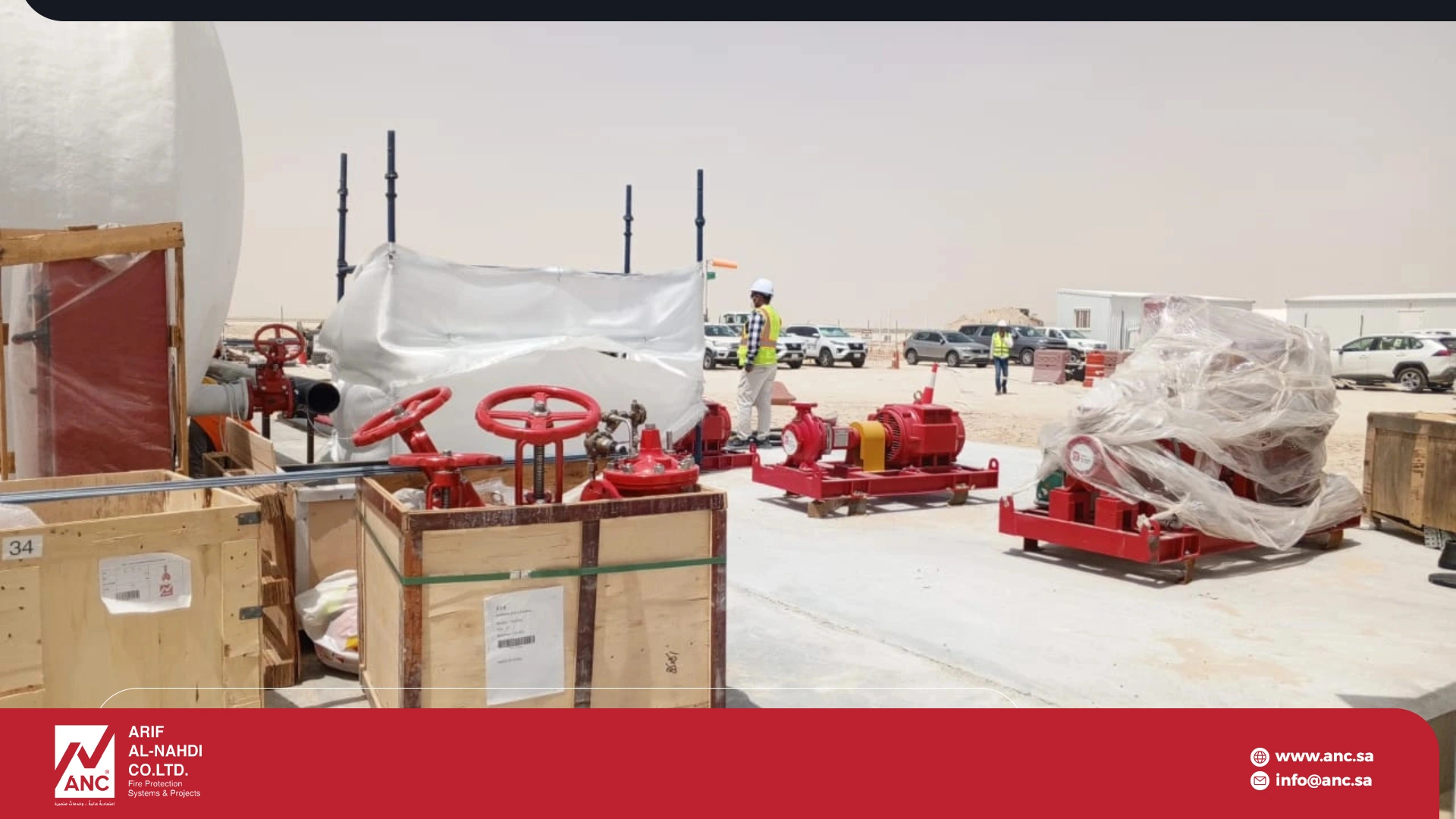
The Importance of Proper Fire System Installation in Buildings and Facilities
Proper installation of fire protection systems is essential for ensuring safety during emergencies. Here are the key reasons why correct installation is crucial:
- Protecting Lives: Properly installed fire systems provide a rapid response that saves lives through early warning and safe evacuation.
- Regulatory Compliance: Installing systems according to local and international standards ensures compliance with regulations and prevents fines.
- Reducing Property Damage: Fire suppression systems help minimize structural and property damage during fire incidents.
- Improved Emergency Response: Properly installed systems ensure fast and efficient response in the event of a fire.
- Enhanced System Reliability: Ensures that fire systems operate with high efficiency and reliability during emergencies.
- Reduced Maintenance Costs: Accurate installation minimizes the need for costly repairs or frequent maintenance.
- Increased Customer Confidence: A well-installed fire system provides safety and reassurance for tenants and clients, boosting trust in the facility.
Contact Arif Al-Nahdi Company (ANC), the leading fire system installation provider in Saudi Arabia, and request your quote today!
Risks of Incorrect Fire System Installation
Incorrect installation of fire protection systems can lead to serious risks that endanger both safety and assets. Here are the major risks associated with improper installation:
- System Failure During Emergencies: Incorrect installation may result in system failure, preventing effective fire suppression and putting lives and property at risk.
- Delayed Response: Faulty installation can cause delays in activating alarm or sprinkler systems, allowing the fire to spread.
- Legal Violations: Non-compliance with fire codes and regulations may result in fines and legal actions by authorities such as Civil Defense.
- Increased Property Damage: An ineffective system can worsen fire damage due to the inability to control the fire promptly.
- Higher Future Costs: Repairs and corrections due to poor installation may require significant additional expenses.
- Lack of Proper Maintenance: Poorly installed fire systems are more prone to frequent malfunctions, requiring continuous maintenance.
Improper installation compromises safety, increases costs, and reduces system effectiveness during emergencies. Protect your facility and the lives of your occupants—choose Arif Al-Nahdi Company (ANC) for fire systems that meet the highest international standards and are fully certified in Saudi Arabia!
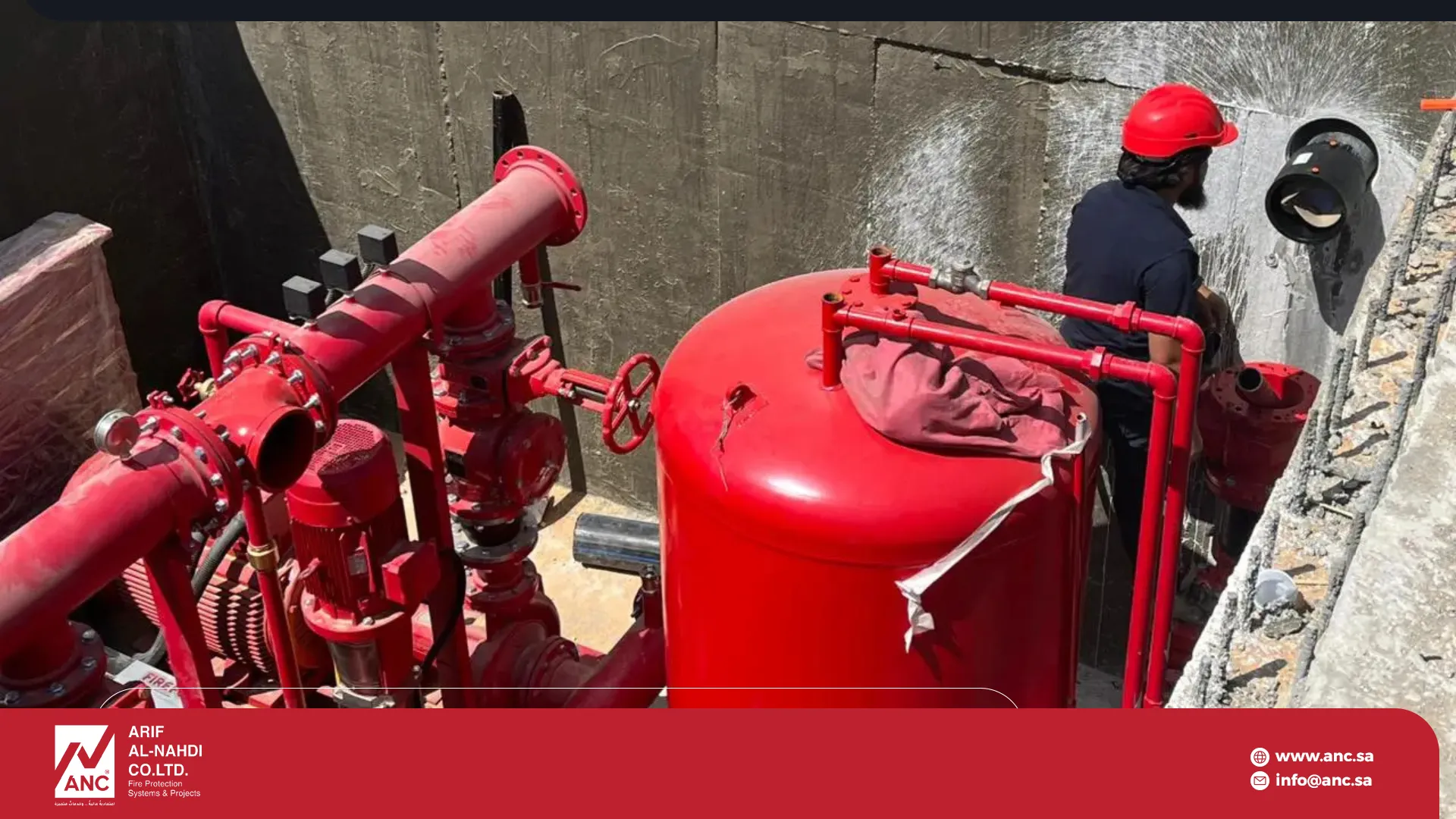
How to Choose the Right Contractor for Fire System Installation in Saudi Arabia
Choosing the right contractor is critical to ensure the efficiency and reliability of fire protection systems. At Arif Al-Nahdi Company (ANC), we provide fully integrated solutions that meet the highest global standards. Here’s what sets us apart:
- Experience and Expertise: We have extensive experience in installing fire suppression systems across Saudi Arabia.
- International Safety Standards: We adhere to leading standards such as NFPA, UL, and ISO to ensure top-quality performance and safety.
- Comprehensive Services: We offer complete solutions including design, supply, installation, and maintenance of fire protection systems.
- Specialized Technical Team: Our trained experts deliver innovative and efficient fire protection solutions tailored to your needs.
- After-Sales Support: We provide scheduled maintenance services to ensure long-term system performance.
- Compliance with Local Regulations: We strictly follow Saudi Civil Defense requirements to ensure full legal compliance.
By choosing Arif Al-Nahdi ANC, you gain access to certified fire protection systems with ongoing professional support. Contact us now and request the Fire Systems in Buildings PDF to explore all our products!
What Are the Prices of Fire Protection Systems in Saudi Arabia?
The cost of fire protection systems in Saudi Arabia varies based on several key factors, including:
- System Type: Prices differ depending on whether you need sprinkler systems, gas suppression systems, or foam systems.
- Size of the Facility: Costs increase based on the size of the building and the coverage area required.
- Components Used: Such as fire pumps, piping networks, and sprinkler heads, in addition to the level of technology integrated into the system.
- Installation and Maintenance: Pricing varies depending on system complexity and required inspection or servicing intervals.
Contact ANC today — the leading fire protection systems company in Saudi Arabia — and get a competitive quote with the highest guaranteed quality!
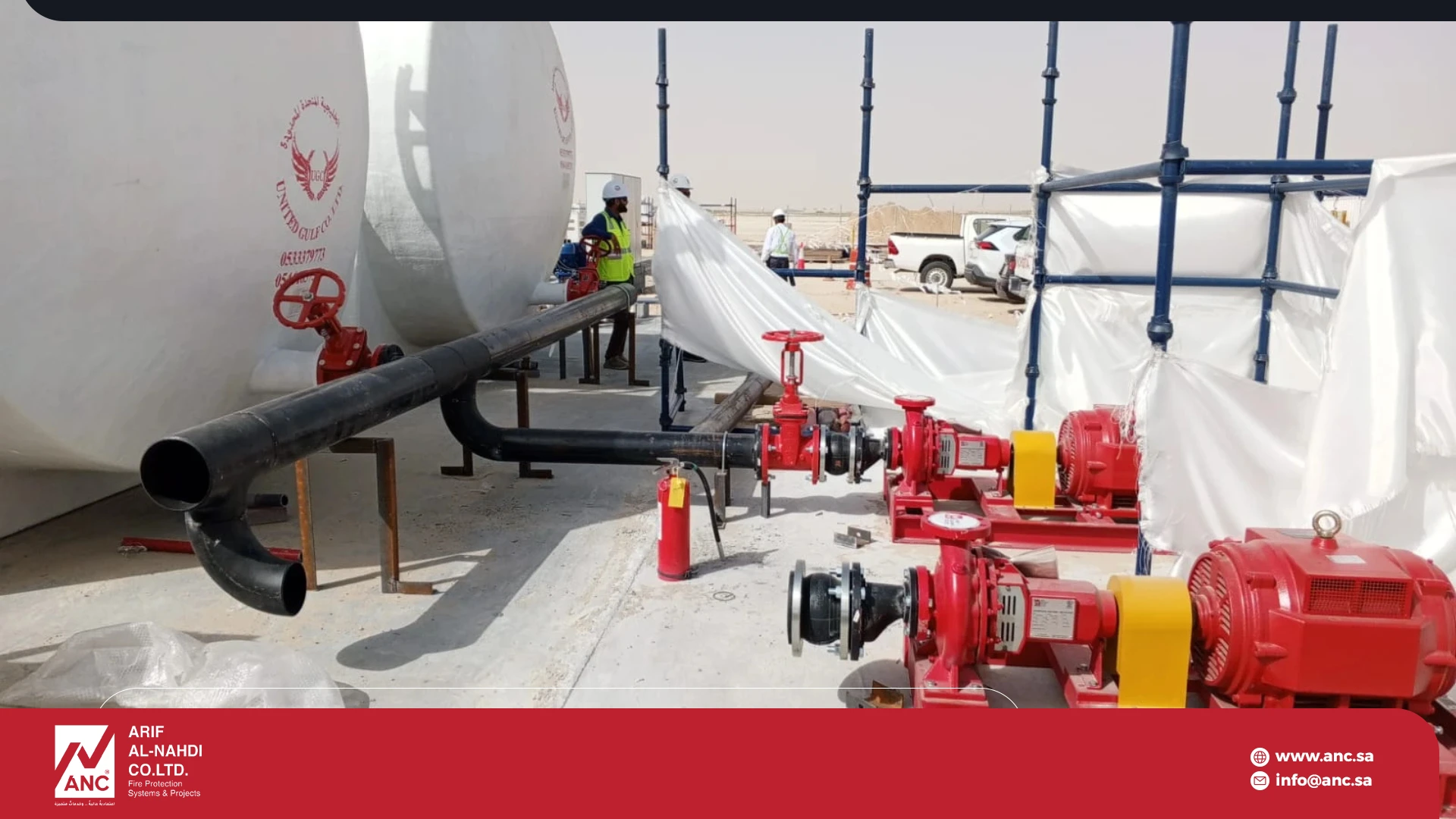
Frequently Asked Questions About Fire Protection Systems in Saudi Arabia
1- What are fire prevention systems?
Fire prevention systems are a set of technologies and equipment designed to protect buildings and facilities from fire hazards. These include fire extinguishing systems, fire alarm systems, and smoke control systems, all working together to detect fire early and respond quickly to prevent its spread.2- What are the types of fire extinguishing systems in buildings?
- Water sprinkler systems: Automatically activate when temperature rises and are the most commonly used in buildings.
- Gas systems (FM200, CO₂): Suitable for server rooms and sensitive equipment because they do not damage electronics.
- Foam systems: Effective for fires involving flammable liquids such as oils and fuel.
- Dry chemical systems: Ideal for electrical fires and industrial kitchens.
3- What is the difference between FM200 and CO₂?
- FM200: Environmentally friendly and safe gas that leaves no residue. It is used in places that require protection of electronic equipment without causing harm.
- CO₂: Highly effective for fuel and oil fires, but it is not suitable for occupied spaces because it may cause suffocation.