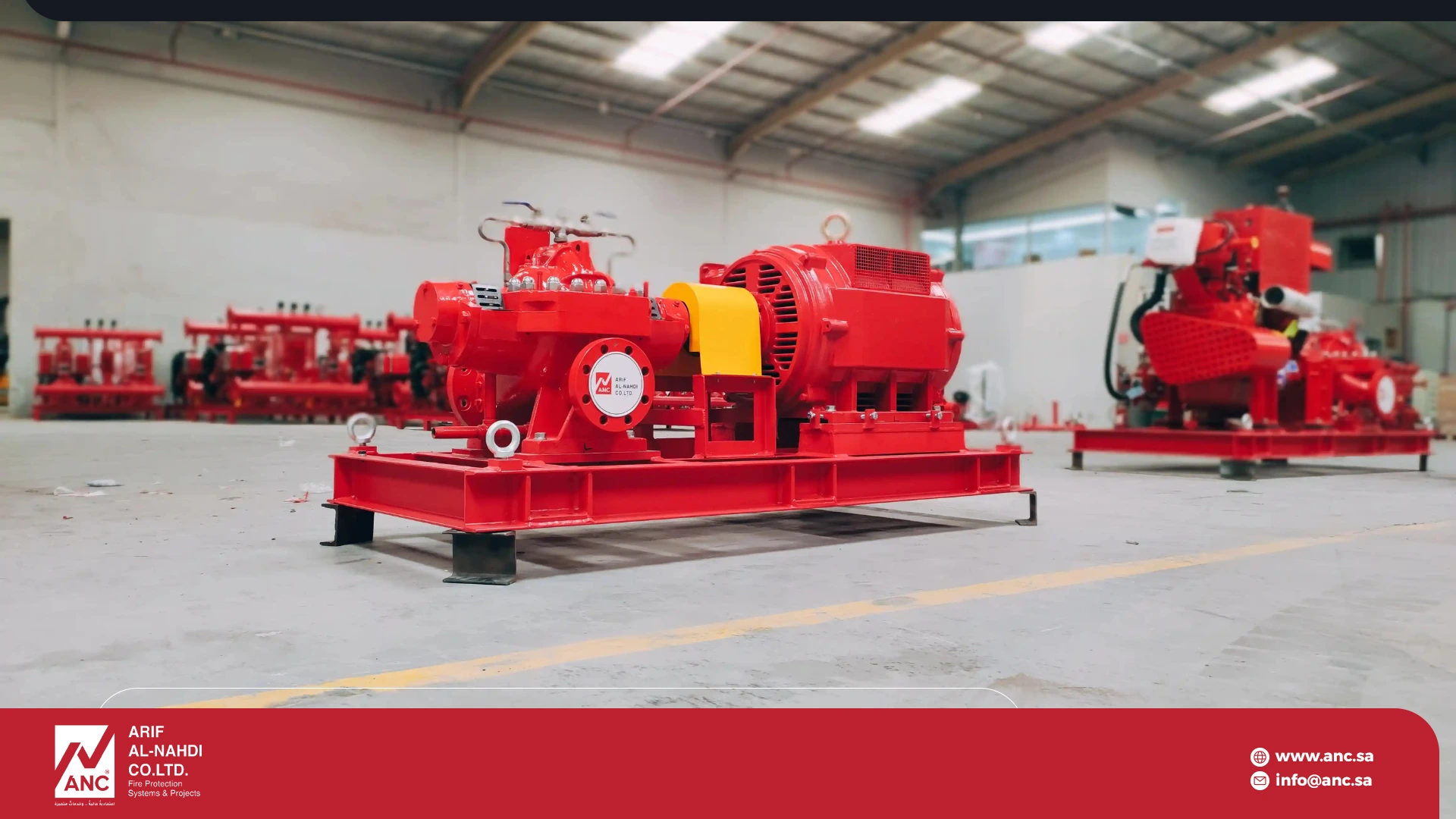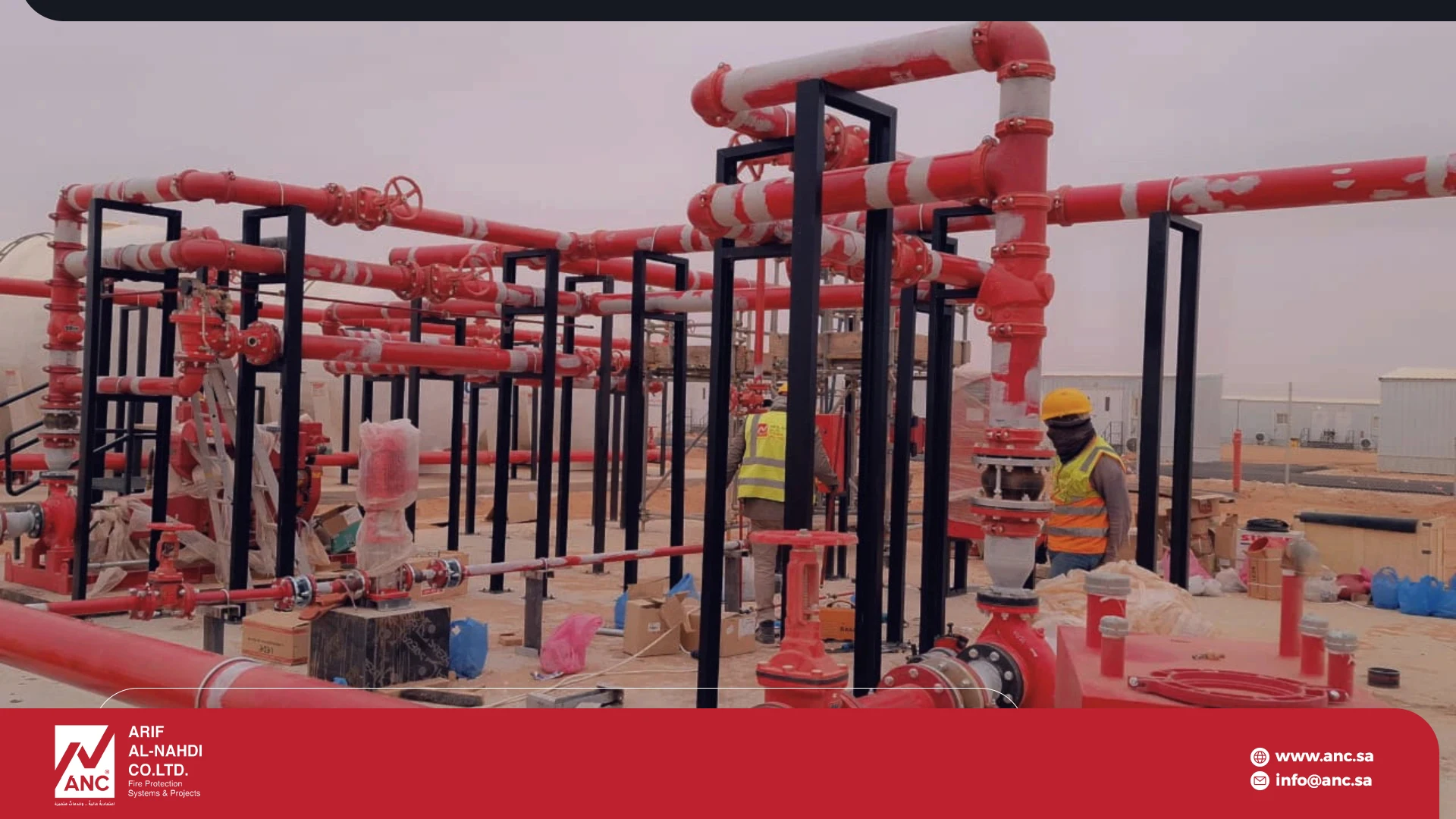

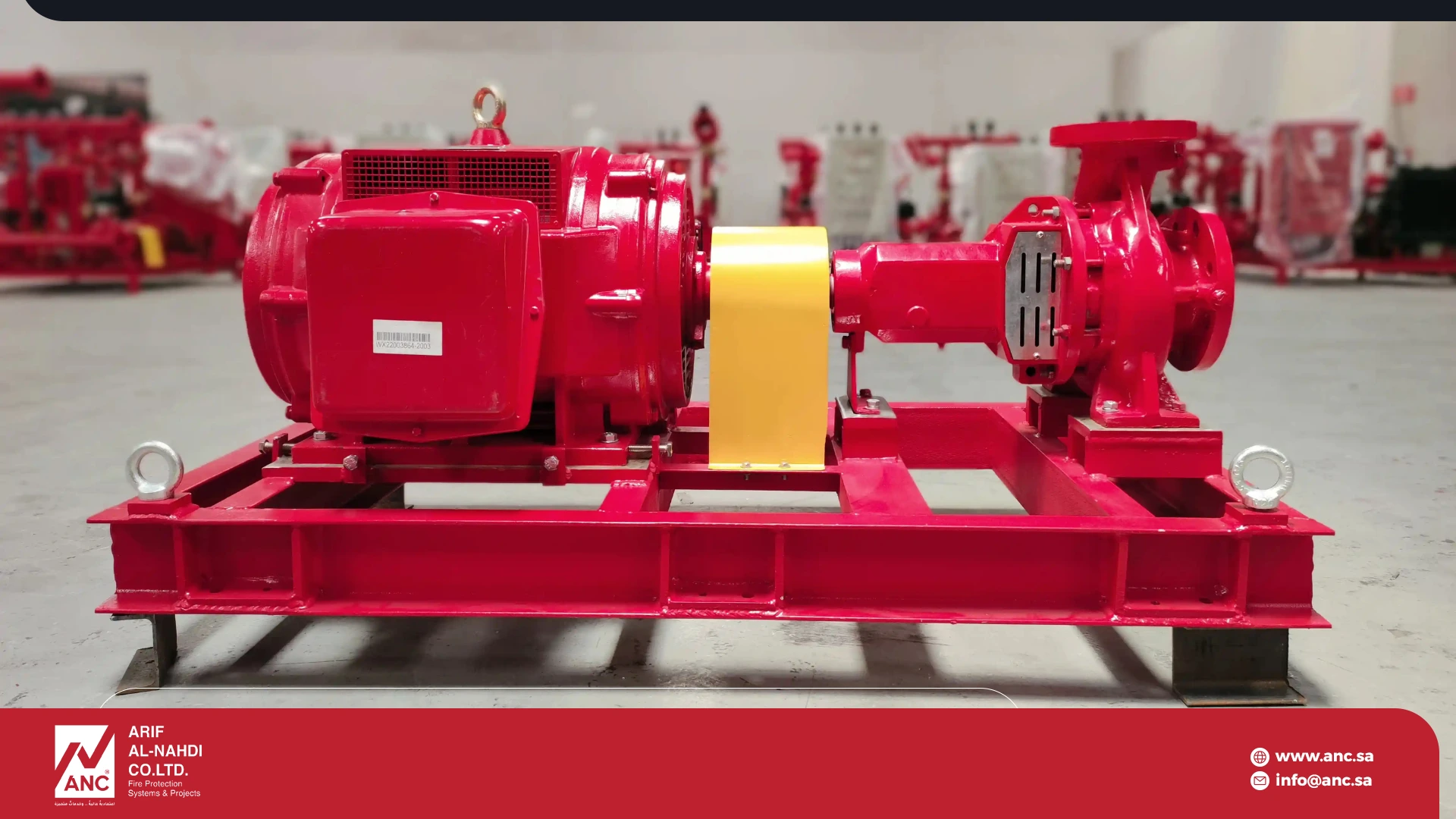
A fire pump in Jeddah or Al Khobar may appear normal externally but weaken gradually from the inside due to factors invisible to the eye. In coastal cities, the problem is not just operation—it is the salinity, humidity, and salt-laden air that accelerate corrosion, attack metals, and degrade electrical connections silently.
This transforms the pump from a reliable defense line into a potential vulnerability: faster rusting, corrosion of the impeller and shaft, salt deposits, and reduced pressure and flow over time.
The consequence is not only higher maintenance costs but also a greater risk of failure during emergencies or reduced performance at critical moments. This article highlights the most affected parts, protection methods, and maintenance strategies to extend fire pump life and ensure readiness.
What is Salinity and How Does It Affect Industrial Equipment?
Salinity in industrial environments refers to dissolved salts or salt spray in the air and water that accumulate on surfaces, changing material behavior over time, especially in coastal areas. When salts adhere to equipment and interact with moisture, they trigger gradual deterioration of metals, coatings, and sensitive connections.
Mechanism of Salinity Impact on Metals
Salinity leads to:
Corrosion
Rapid rusting
Degradation of electrical connections
Salinity Impact on Fire Pumps in Coastal Areas
Salinity in coastal areas like Jeddah and Khobar accelerates fire pump degradation because chloride spray combined with humidity creates an ideal environment for corrosion, even if the pump room appears clean. With repeated exposure, the effect starts from the surface then moves to sensitive parts inside the pump, and the problem manifests as louder noise, vibrations, then gradual performance decline.
Internal and External Pump Corrosion
Salts attack the pump body, flanges, and bolts from the outside by breaking coating layers and opening pathways for rust. From the inside, the risk increases if test or feed water has high chlorides or there is salt contamination in the water source. Over time, leaks may appear at gaskets or weakened connection seals due to contact surface corrosion. Here the damage is no longer cosmetic but transforms into operational weaknesses affecting readiness.
Pump Shaft and Impeller Corrosion
Salinity impact on the shaft and impeller often appears as pitting corrosion or surface roughness that weakens hydraulic efficiency. With increased roughness and widened clearances, vibrations rise and load increases on bearings and seals. This may result in abnormal noise and pressure fluctuation during operation, especially under higher loads. The outcome is gradual decline in flow and pressure compared to design values.
Valve and Filter Problems Due to Salt Deposits
Salts accumulate as crystals and deposits inside strainers and filters, reducing passage area and increasing pressure loss in suction or discharge lines. Deposits may also cause valve sticking or weak closure, causing leakage or instability in readings and operation. With repeated start-stop cycles, deposits transform into harder-to-remove layers that affect network response. Thus salinity impact transfers from metal corrosion to water flow disruption itself.
Salinity Impact on Diesel Pumps Versus Electric Pumps
Diesel pumps are more affected because they have additional operating accessories like starters, alternators, batteries, and connections that corrode quickly with salty moisture. For electric pumps, the sensitivity focus is on junction boxes, control panels, and cable ends if not protected with appropriate insulation. In both cases, chlorides cause connection deterioration and raise probabilities of weak operation or frequent failures. Therefore protecting connections, supports, and exposed components is essential in coastal environments.
Pump Efficiency Decline Over Time
Salinity accumulates its effects through increased roughness, corrosion, and widened clearances, raising losses and lowering efficiency of converting energy into pressure and flow. With declining efficiency, the pump may operate at higher load to compensate for loss, increasing heat and vibration and shortening bearing and seal life. This decline may pass unnoticed if flow and pressure test results are not regularly compared with design specifications. Then the problem becomes safety and operation, not just maintenance, because the pump may not achieve required performance during emergencies.
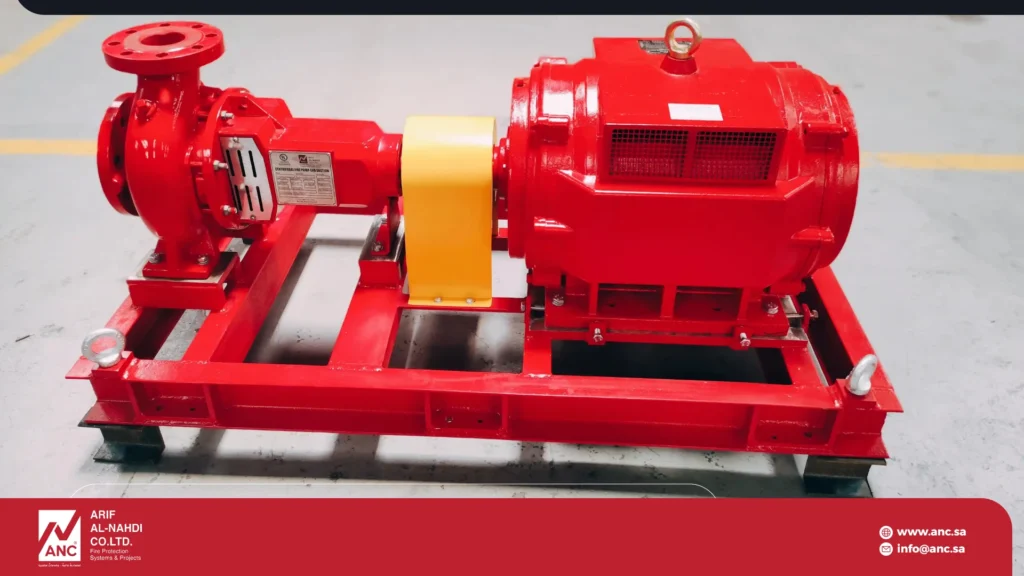
What Is Most Affected by Salinity? Comparison Between Different Fire Pumps
Fire pump resistance to salinity in Jeddah and Khobar varies according to manufacturing material, surface protection quality, and reliability nature, because chlorides attack some metals quickly and penetrate weak coatings with moisture. To determine what is most affected by salinity practically, the following comparison helps you understand strengths and weaknesses of each type and choose the most suitable for coastal environment:
Cast Iron Pumps
Affected by salinity faster because iron is exposed to rust and external corrosion quickly when salt spray and continuous moisture exist. The problem may worsen in flange and bolt areas and contact surfaces, especially if coating layers are not suitable for coastal environment. Over time, peeling and corrosion may appear causing leakage or weak sealing, raising preventive maintenance requirements. Therefore they usually need strong coating and more stringent periodic inspection in coastal cities.
Stainless Steel Pumps
Offer higher corrosion resistance compared to iron, so they are preferred when salinity exposure is high or when pump room is close to moisture sources. However, this does not mean complete immunity, as localized corrosion may occur under certain conditions if chlorides combine with prolonged moisture and retention angles. They usually excel in maintaining appearance and performance and reducing external rust, reducing connection failures and operational appearance. Quality, alloy type, and design remain decisive factors in long-term performance.
Bronze Pumps
Bronze materials are often used in water-exposed parts because they provide good corrosion resistance in humid and salty environments compared to iron. These materials help reduce rapid rust probabilities, especially in internal parts and water contact areas. They are also a strong choice when water quality or environment carries higher salt probabilities, while maintaining stable performance. But their selection depends on system requirements, cost, and extent of need for additional long-term resistance.
UL and FM Pumps in Coastal Environments
Their strength is not measured by certification alone, but by their ability to achieve reliable performance within strict specifications and operational tests related to safety. In coastal environments, UL and FM pumps provide an important advantage because they are usually selected and installed within a standard system that includes higher manufacturing quality and certified components. However, salinity resistance remains linked to material, coating, and installation environment like closed room, ventilation, and humidity, so they are supplemented with corrosion protection means. The result is higher readiness and easier compliance tests with reduced failure surprises during actual operation.
Also Read: Reducing Fire Pump Noise: Solutions for Pump Rooms Near Residences
Steps to Protect Fire Pumps from Salinity Impact
Start protecting fire pumps in Jeddah and Khobar from salinity through a plan combining correct material selection, surrounding environment isolation, reducing salt entry into water path, then monitoring condition with periodic tests. When these steps are applied in logical sequence, corrosion rates will decrease and pump service life will extend while maintaining emergency performance.
Choosing appropriate pump materials: The first step is selecting material that withstands chlorides and coastal humidity according to your site nature and exposure level:
- Stainless steel
- Bronze
- Coated cast iron
Apply anti-corrosion coating layers: After material selection, comes protecting external surfaces, flanges, and bolts with coatings suitable for marine environments to limit rapid rust and corrosion.
Install special filter to prevent salt deposits: To reduce salt deposit accumulation inside the network, benefit from appropriate filters or strainers that reduce salt and impurity entry to valves and internal passages as much as possible.
Choose suitable pump room closed and not exposed to humidity: Because salt spray is the most dangerous thing metal faces, a relatively closed and dry pump room reduces deposits and limits external corrosion and connection damage.
Implement periodic test to detect corrosion early: To prevent surprises, conduct regular pressure and flow tests with visual inspection and specific connection points to notice any early deterioration before it transforms into impactful failure.
Preventive Maintenance Role in Coastal Cities
Preventive maintenance in coastal cities like Jeddah and Khobar is the real defense line against salinity, because it prevents corrosion from silently accumulating until reaching a stage affecting fire pump performance. In salty environments, traditional schedules are insufficient, because humidity and chlorides accelerate connection deterioration, rotating parts, and deposits inside the network, requiring closer and more regular monitoring.
Schedule Monthly Maintenance Not Quarterly
Coastal environment raises corrosion rate, so monthly maintenance shows problems before they transform into leakage or performance drop. It also helps detect early rust in bolts, flanges, and junction boxes and treat it immediately. It reduces sudden failure probabilities at startup compared to waiting longer periods between visits.
Clean Pump and Pipes from Salt Deposits
Salt accumulation inside strainers, filters, and water lines raises pressure loss and affects suction and flow. Regular cleaning prevents partial blockage and reduces additional pressure on pump during operation. It also limits valve sticking resulting from deposits and maintains network stability.
Lubricate Bearings and Moving Parts Continuously
Humidity and salinity increase lubrication deterioration probabilities and friction rise in rotating parts. Periodic lubrication reduces vibration and noise, extends bearing life, and reduces shaft stress. It also helps maintain operation balance and reduce friction-related wear.
Test Pressure and Water Flow Regularly
Periodic tests reveal any gradual performance decline before it becomes a risk to fire fighting readiness. Comparing results with design values helps diagnose impeller corrosion, filter blockage, or connection leakage. Thus maintenance transforms from routine procedure into early warning system that protects performance and reliability.
Also Read: Fire Protection Solutions for Solar Panel Farms and Power Stations in Saudi Arabia
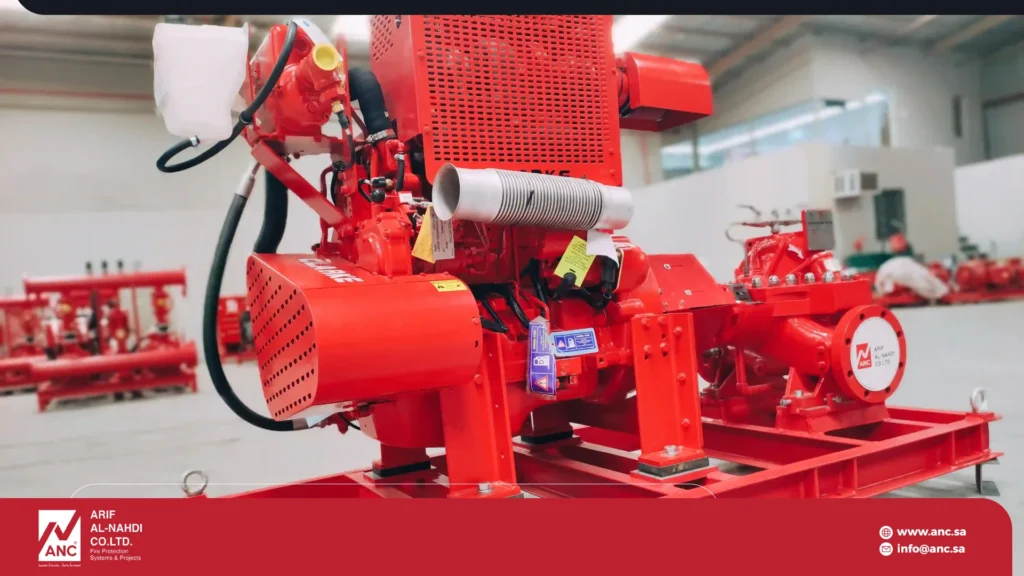
How to Choose Suitable Fire Pump for Coastal Cities?
Suitable fire pump for coastal cities like Jeddah and Khobar is chosen based on its ability to resist salinity and humidity while maintaining stable and reliable performance during emergency operation. To ensure correct selection from the start, focus on the following basic criteria:
- Corrosion resistance
- Rust-proof materials
- NFPA 20 certification for humid environments
- Choosing specialized company in coastal environment solutions
Specifications Required in the Pump
To ensure fire pump operates efficiently and stably in Jeddah and Khobar coastal atmospheres, it must have specifications that protect it from salinity and humidity and ensure compliance with safety requirements. The most important specifications to verify are:
- Corrosion resistance
- Rust-proof materials
- NFPA 20 certification for humid environments
Choosing Specialized Company in Coastal Environment Solutions
Choosing specialized company in coastal environment solutions helps you avoid general decisions that do not suit Jeddah and Khobar, because salinity and humidity require different materials, protection, and installation than inland cities. Specialized company knows how to choose pump and its accessories and appropriate protection layers, and links that with maintenance plan that detects corrosion early. The result is longer operational life and more reliable emergency performance.
Why Is Arif Al Nahdi ANC the Best Choice for Coastal Environments?
If you work in Jeddah or Khobar and want fire pumps that withstand salinity and humidity without early corrosion or sudden failures, Arif Al Nahdi ANC provides solutions designed specifically for coastal environment. We help you choose appropriate pump, protect it from corrosion, and ensure performance stability according to safety requirements. Reduce replacement costs and unplanned maintenance, and raise fire fighting system readiness from today.
- Supply UL and FM pumps resistant to salinity
- Provide customized solutions for Jeddah and Khobar
- Periodic maintenance and corrosion treatment
- Technical consultations to ensure longer pump life
Contact ANC now for quick technical assessment and practical solution that protects your fire pumps from salinity impact and extends their operational life.