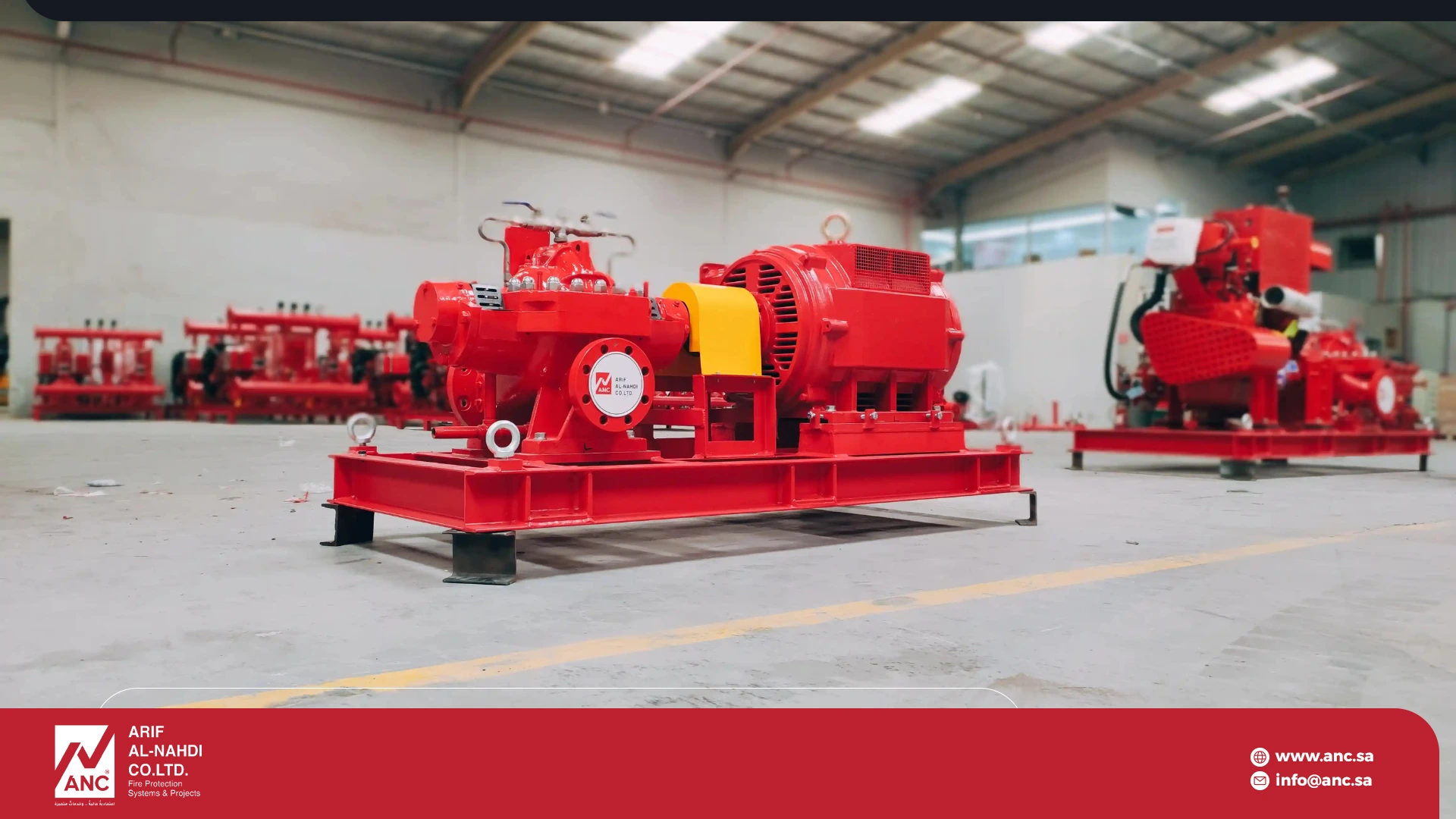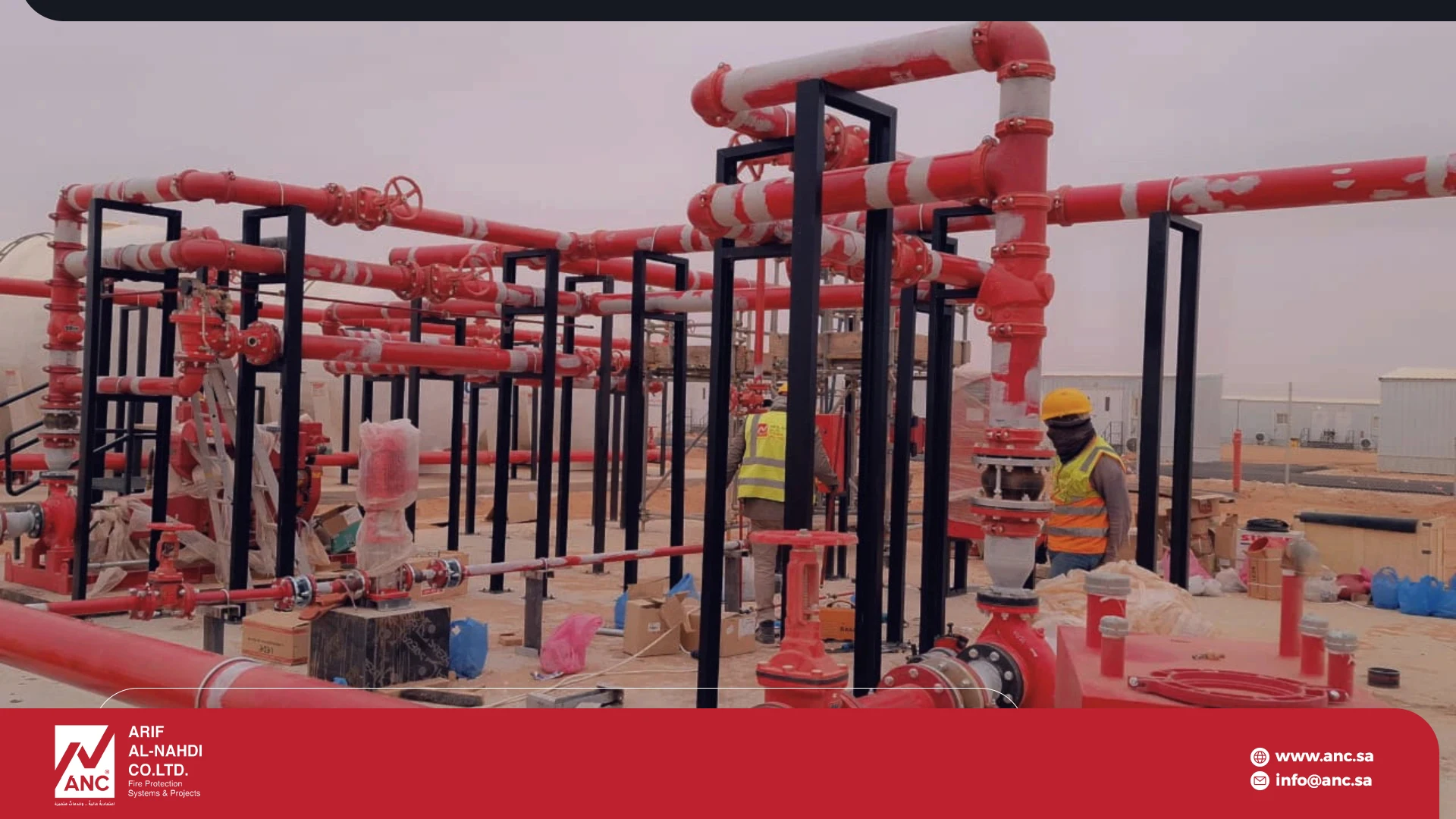

In fire protection systems, activating main pumps—electric or diesel—is not always the first step when pressure drops. A smaller, yet vital component takes action before the main pump starts. This is the Jockey fire pump, the first line of defense in keeping system pressure within design limits.
The jockey pump plays a critical role in ensuring round-the-clock readiness. It compensates for minor pressure drops caused by small leaks or water expansion and contraction in pipes, without engaging the main pump. This extends the life of the primary pump, reduces energy and fuel consumption, and maintains optimal network performance according to NFPA standards.
This article explores what a jockey pump is, how it works, and why it is indispensable for any facility seeking reliable fire protection.
What Is a Jockey Pump?
A fire jockey pump is a small pump used in fire systems to maintain network pressure at the required level. Despite its size, it ensures the system remains ready 24/7.
jockey fire pump operates automatically when a slight pressure drop occurs due to minor leaks or temperature changes, quickly restoring pressure to design levels.
Difference Between a Jockey Pump and the Main Fire Pump
A fire fighting jockey pump is typically used within a fire pump system as a pressure-maintenance pump. It maintains network pressure when there is a slight pressure drop (such as normal pressure losses or minor leakage), with the purpose of avoiding unnecessary starts of the main fire pump.
A Main Fire Pump (Fire Pump), on the other hand, jockey pump function is to be responsible for providing the required flow rate when there is an actual demand for water during an emergency, in accordance with the system design and project requirements.
A correct understanding of the difference helps facility owners, contractors, and facility management teams avoid common mistakes—such as relying on the jockey pump as a substitute for the main fire pump, or assuming frequent jockey pump operation is always “normal,” when it may indicate leakage or a control-related issue.
Comparison Table: Jockey Pump vs. Main Fire Pump
Comparison Item | Jockey Pump (Pressure-Maintenance Pump) | Main Fire Pump |
Primary Purpose | Stabilize pressure and compensate for minor pressure drops | Supply the network when there is an actual water demand |
When it typically runs | During small/recurrent pressure drops | During major demand or emergency conditions |
What it does not do | Must not be relied on as the sole fire-fighting water supply | Not intended to repeatedly compensate for small pressure losses |
Impact on wear/consumption | Reduces frequent starts of the main fire pump | Unnecessary frequent operation may accelerate wear |
Control & alarm relationship | Operates under coordinated control logic with the main pump | Operates based on system demand/start logic |
Coordination Between the Jockey Pump and the Main Fire Pump
Operating coordination between the jockey pump and the main fire pump depends on the approved project design. Any modification to controls or settings should be performed by a qualified specialist and in accordance with the project documentation.
Why Is It Essential According to NFPA?
The fire water jockey pump is mandatory in most systems under NFPA standards because it:
Maintains design pressure continuously.
Prevents repeated unnecessary main pump activation.
Reduces energy and fuel consumption, especially for diesel pumps.
Extends the main pump’s lifespan and lowers maintenance costs.
Ensures immediate response during a real fire.
For these reasons, the jockey pump for fire pump is indispensable in any professionally designed fire system.
Read more: How Fire Pumps Work: A Comprehensive Detailed Guide
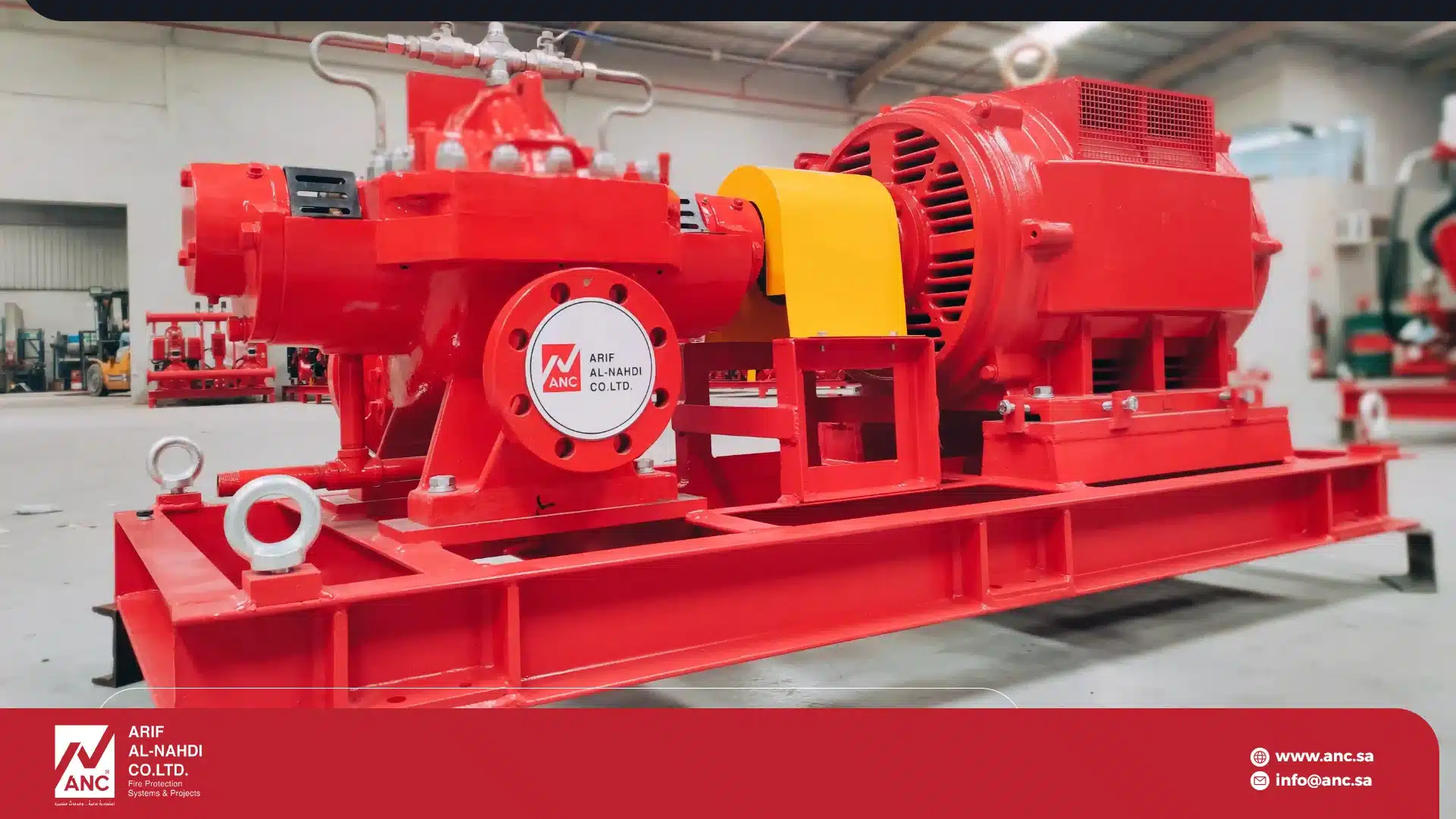
Where Is the Jockey Pump Used in Firefighting Systems?
The jockey pump function is evident in systems that require continuous pressure maintenance in the fire network, such as:
- Sprinkler Systems
- Standpipe Systems
- Hydrant Networks
In these applications, a slight pressure drop may occur over time due to normal losses within the network. The jockey pump compensates for this drop before it becomes necessary to start the main fire pump.
In large projects or highly branched networks, the jockey pump role becomes more critical because it helps stabilize pressure and reduces unnecessary operation of the main fire pump—improving overall system stability and reducing failures associated with frequent starts.
If you are unsure whether your system needs a jockey pump or whether its operation requires review, it is best to evaluate the entire pump room and network (water source, valve conditions, overall leakage indicators) in line with project requirements and local regulations.
Jockey Pump Components in a Fire Pump Room
To understand what is delivered or checked during maintenance—without going into wiring details or execution drawings—these are the common components associated with a jockey pump arrangement:
- The pump itself (dedicated to pressure maintenance).
- A dedicated control/start panel for automatic operation and basic protection.
- Pressure sensing elements (e.g., pressure switches/transmitters) that detect pressure drop and issue a start command according to the approved control logic.
- Operating and protective valves such as a check valve (non-return valve) and isolation valves, enabling safe operation and maintenance based on system design.
These components and their details may vary depending on system type and the consultant/owner requirements, therefore they should always be verified against the approved project documents.
Also Read: Fire Pump Buying Guide in Riyadh: Arif Al-Nahdi (ANC) – The Best Fire Pump Company
What is jockey pump function Within a Fire Protection System?
The purpose of jockey pump in fire hydrant system is operating with a precise and intelligent mechanism that makes it essential for maintaining the readiness of the fire network. It is the first line of response when system pressure drops and addresses the issue before the main fire pump needs to operate.
The following outlines how jockey pump in fire system works:
1. Maintaining System Design Pressure
The fire hydrant jockey pump is set slightly above the pressure at which the main pump operates. This ensures the jockey pump always keeps the pressure within the required network value without any fluctuations or sudden losses.
2. Compensating Minor Pressure Drops Due to Small Leaks
Minor pressure drops can occur due to undetectable leaks in pipes or expansion and contraction caused by temperature changes. Here, the jockey pump immediately compensates for the drop and restores pressure to normal levels without needing to activate any other pump.
3. Preventing Repeated Operation of Main Fire Pumps
One of the main benefits of the jockey pump is preventing diesel or electric pumps from repeated activation due to minor pressure drops. Frequent activation causes faster wear of the main pump, increased fuel and energy consumption, and higher maintenance costs.
The jockey pump efficiently handles this task on its own.
4. Automatic Start and Stop Mechanism
The jockey pump relies on pressure switches that detect any pressure drop.
When pressure falls below a set limit, the pump starts automatically.
When pressure returns to the required level, it stops automatically without human intervention.
This mechanism ensures it operates only when necessary and keeps the fire network always ready, in compliance with NFPA requirements.
Why a Jockey Pump Cannot Be Replaced
Having a jockey pump in any fire protection system is not optional; it is an essential part to ensure system continuity and efficiency, especially in buildings and facilities that require immediate network readiness. Its importance is highlighted in several key points:
Reducing Energy Consumption: For minor pressure drops, the jockey pump handles the task instead of activating the larger main pump, significantly lowering electricity and diesel use and making the system more cost-effective long-term.
Extending Diesel and Electric Pump Life: Frequent activation of the main pump causes component wear and increased failures. The jockey pump prevents repeated activation by handling minor drops, prolonging the lifespan of main fire pumps and reducing maintenance costs.
Maintaining System Readiness: By keeping pressure stable, the jockey pump ensures the system is ready immediately when a fire occurs, allowing sprinklers to operate without delay.
Preventing False Alarms from Pressure Drops: Minor pressure drops due to natural causes may trigger unintentional alarms or main pump activation. The jockey pump restores pressure quickly to prevent false activations.
Also read: Hotel Fire Systems: NFPA Requirements and Saudi Compliance
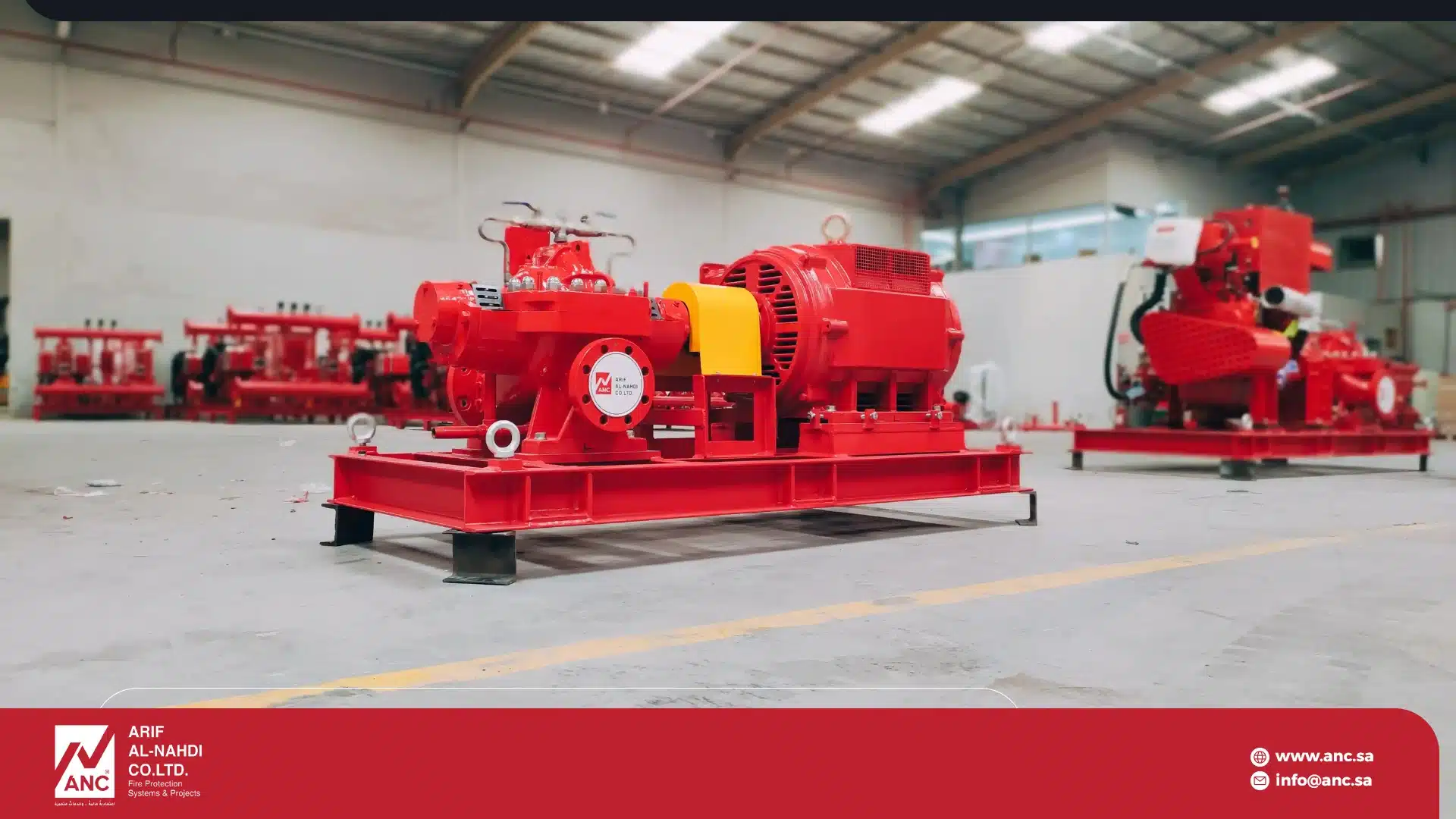
Problems That May Occur Without a Jockey Pump or if It Malfunctions
The absence or failure of a jockey pump affects not only network pressure but can trigger a series of technical and operational problems that endanger the entire system. Key issues include:
Unnecessary diesel pump operation: Minor pressure drops will directly trigger the diesel pump even if full system activation is not needed, causing significant engine strain.
High fuel consumption: Diesel pump operation without cause leads to excessive fuel use, increasing operating costs and reducing system efficiency.
Excessive wear of the main pump: Frequent activation accelerates wear on main pump components, electric or diesel, shortening lifespan and increasing failure risk during emergencies.
Network pressure drops that may impair sprinkler performance during emergencies: Without a jockey pump maintaining design pressure, the system may lose sufficient pressure, slowing sprinkler response and risking lives and property.
Specifications Required for an Efficient Jockey Pump (According to International Standards)
To perform its role efficiently and comply with global requirements, a jockey pump must meet technical specifications that ensure reliability and continuous network pressure maintenance. Key specifications include:
Small size and low flow (GPM): Sufficient to compensate minor pressure drops without activating the main pump.
Ability to reach design pressure quickly: Critical for restoring pressure before the main pump is triggered.
Corrosion and rust resistance: Ensures stable operation over long periods, especially in high-humidity environments.
Full compliance with NFPA 20 requirements: Ensures reliability and safety in emergencies.
Connected to an independent control panel: Allows automated operation and separate monitoring from the rest of the system.
Read more: Fire Pump Types: A Complete Guide to Choosing the Right Fire Pump in Saudi Arabia
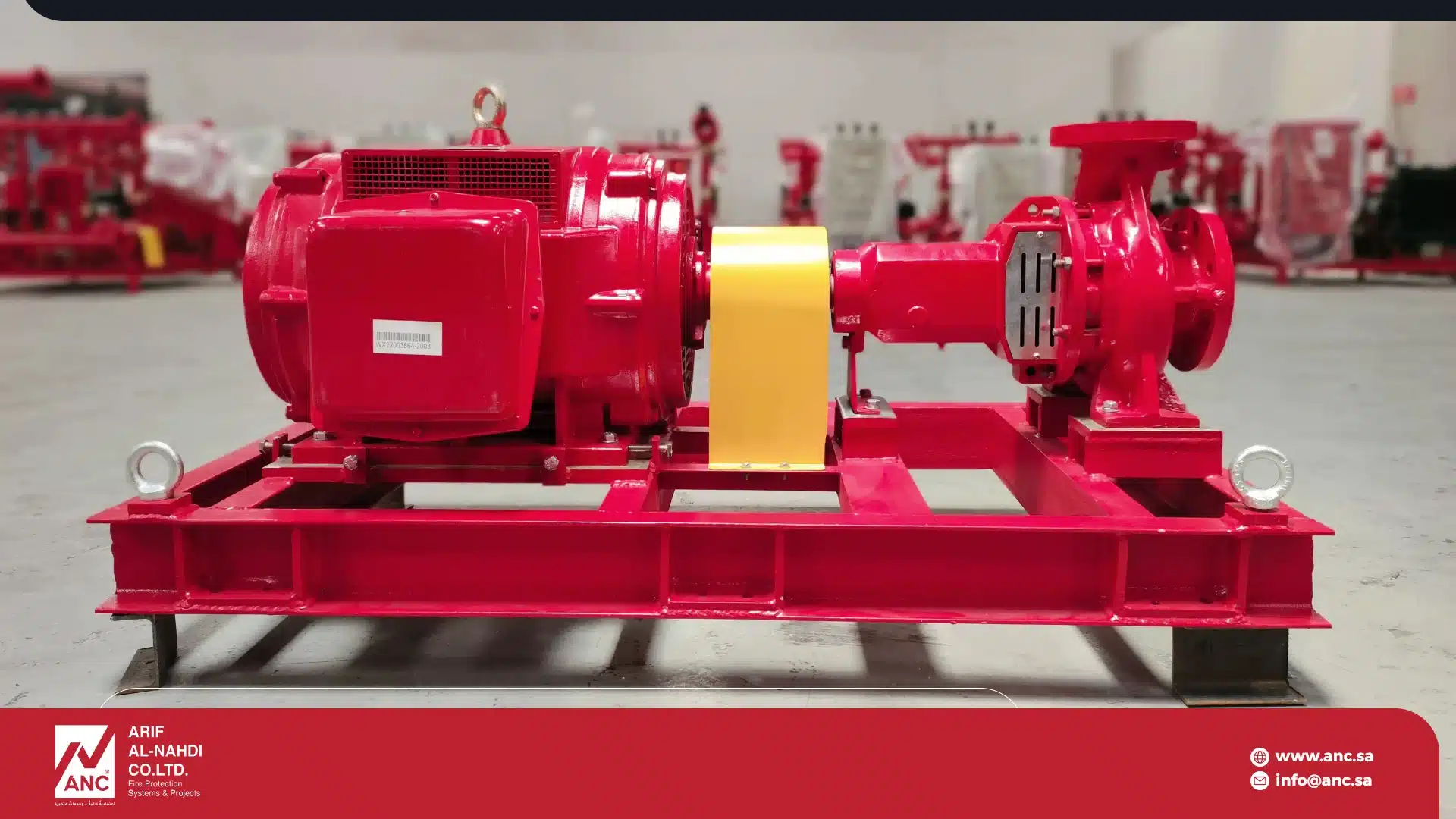
How to Select the Right Jockey Pump for Your System
Choosing the correct jockey pump for fire hydrant system is essential for maintaining stable pressure in fire networks and overall system efficiency. Selection depends on several technical factors considered during system design or upgrade:
Determine Network Design Pressure: Identify the pressure the jockey fire fighting pump must maintain. This varies by building height, number of lines, and sprinkler network size.
Choose Appropriate Electrical Power: Ensure sufficient flow to compensate minor pressure drops without overloading the pump or electrical system.
Match Pump to Facility Type (Residential, Commercial, Industrial): Industrial buildings may require faster, more robust pumps, while smaller pumps may suffice for residential or mid-sized commercial buildings.
Consider Water Source and Pipe Length: Long distances or tall networks require pumps capable of raising pressure quickly. Also account for pipe losses to ensure stable performance.
Signs the Jockey Pump Is Not Operating Normally or Needs Maintenance
It is normal for the jockey pump to run occasionally to compensate for a minor pressure drop. However, very frequent starts or extended run times may indicate an issue that requires inspection. The goal here is not a final diagnosis, but to recognize signs that justify intervention by a qualified maintenance team.
Key signs to watch for:
- Frequent operation throughout the day without a clear reason.
- Noticeable pressure fluctuations or repeated alarms related to pressure/operation.
- Unusual noises or vibrations (especially if newly observed).
- Changed operating behavior after maintenance work or network modifications.
These symptoms are often linked to potential causes such as network losses/leaks, faulty sensing/control elements, or a problem with the check valve—but identifying the true cause requires on-site inspection.
If you notice repeated jockey pump operation, request an inspection of the pump room and the network to determine whether the issue is normal losses or leakage/control-related, and to document appropriate corrective recommendations.
Discover more: Common Fire Pump Problems: Causes of Sudden Fire Pump Failure and Effective Solutions
Jockey Pump Maintenance and Its Role in Ensuring Readiness
Regular maintenance is crucial to keep fire systems ready and capable of responding instantly during emergencies. The jockey pump operates almost continuously to maintain pressure, and any malfunction may trigger main pump activation unnecessarily. Therefore, precise maintenance is essential.
1. Weekly Operating Pressure Test
Perform weekly checks to ensure the pump reaches the required pressure. This helps detect early performance changes due to minor wear or electrical issues.
2. Inspect Electrical Connections
As the pump relies on electricity, inspect all connections regularly to prevent loose contacts or corrosion that could interrupt operation.
3. Check for Leaks in Network Lines
Minor leaks or pipe joint issues can cause repeated jockey pump activation, reducing its lifespan. Routine maintenance identifies and resolves leaks before they escalate.
4. Record Readings for Long-Term Stability
Track pressure, start counts, and electrical readings continuously. This helps monitor performance and detect any changes that may require intervention.
Also read: Standard Fire Pumps vs. UL/FM-Approved Fire Pumps: Which One Is Best for Your Needs?
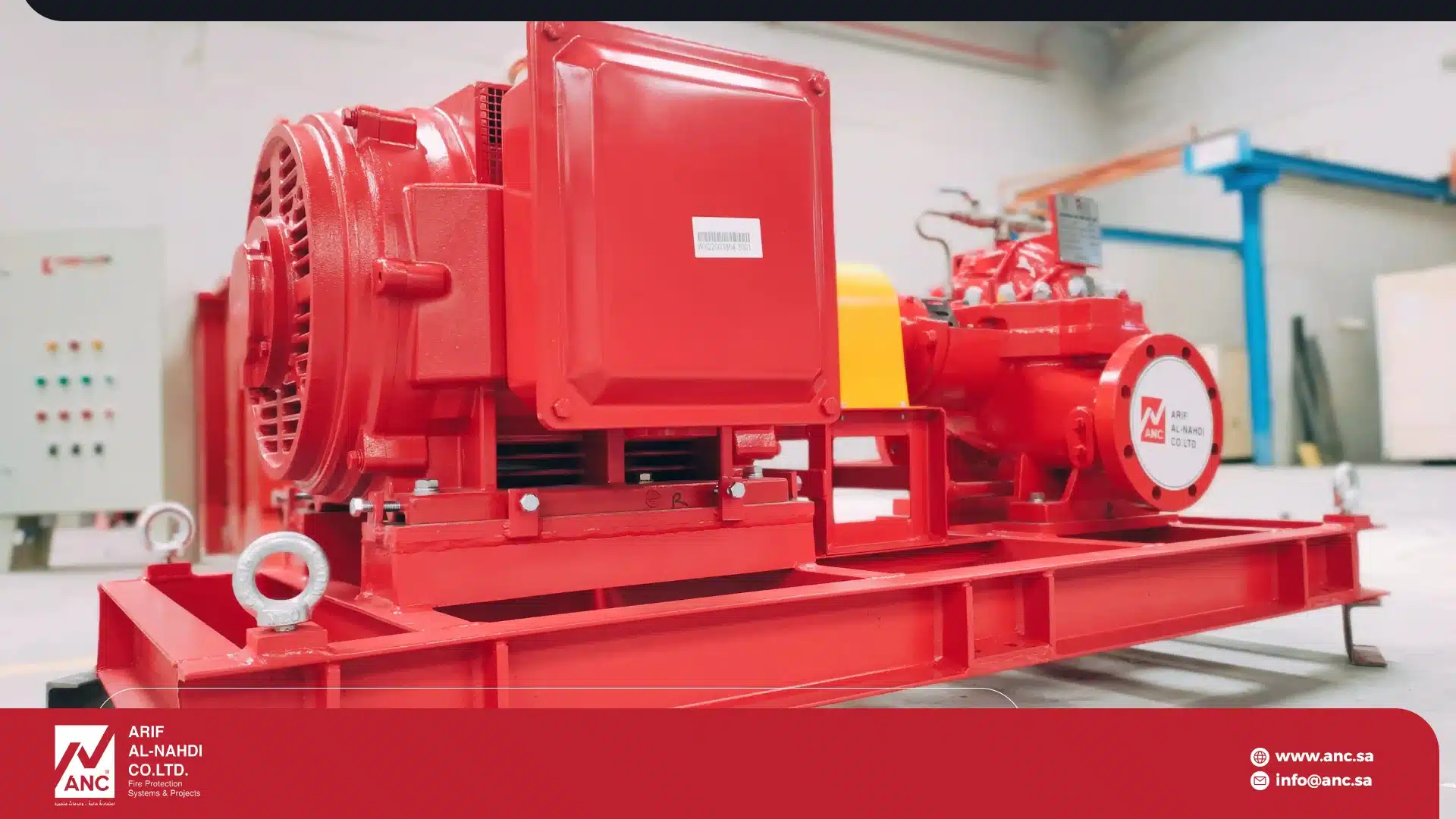
The Role of Arif Al Nahdi Company (ANC) in Installing and Maintaining Jockey Pumps
ANC provides a comprehensive system for installing and maintaining jockey pumps, focusing on top-quality standards to ensure 24/7 fire system readiness.
1. Providing High-Quality, Standard-Compliant Jockey Pumps
ANC supplies NFPA 20 and SASO-approved jockey pumps with fast pressure recovery suitable for various facility sizes and fire network types.
1-D.J Fire Pump (Diesel + Jockey) – SASO Approved
2-E.J Fire Pump (Electric + Jockey) – SASO Approved
3-E.D.J Fire Pump (Electric + Diesel + Jockey) – SASO Approved
2. Professional Installation with Precise Pressure Adjustment
ANC’s team performs accurate installation, calibrating the pump and setting operating pressure to match network design, preventing pressure fluctuations and ensuring optimal operation.
3. Routine Maintenance to Maintain Stable Pressure
ANC offers scheduled maintenance programs, including performance checks, pressure testing, monitoring readings, and resolving potential issues before failures occur.
4. Comprehensive Pump Room Inspection for Optimal Performance
ANC inspects the entire pump room, including:
Electrical connections
Power sources
Valves
Pipe network
Main fire pumps
This ensures full system integration and readiness for emergency use.
Jockey Pump Price: What Factors Determine Cost in Saudi Arabia?
Searching for jockey pump price is common, but for B2B projects it is better to evaluate cost drivers because the final price varies based on system design, scope, and project requirements. Instead of relying on a generic number that may mislead, focus on the actual elements that define cost.
Key cost factors include:
- Associated system type (sprinklers/hydrant/standpipe) and the network size/complexity.
- Site condition (new pump room vs. existing) and replacement/upgrade requirements.
- Water source, operating conditions, and surrounding environment (corrosion level, humidity, dust, etc.).
- Consultant/owner requirements related to documentation, testing, and system reliability per project references.
- Contract scope: supply only, or supply + installation + commissioning + maintenance/preventive contract.
What helps speed up pricing and improve accuracy?
- General drawings, scope summary, or BOQ (Bill of Quantities).
- Network type, site location, and city.
- Photos of the pump room (if existing).
- Consultant/owner requirements (if any).
Send your project details (network type + city + new/replacement + requirements) to receive a tailored quotation for the jockey pump and the suitable execution option.
Frequently Asked Questions About Jockey Pumps in Saudi Arabia
1) What is a Jockey Pump?
A Jockey Pump is a small pump used within a fire pump system to maintain the pressure of the firefighting network. Its main role is to compensate for slight pressure drops without starting the main fire pump.
2) What is the function of a Jockey Pump?
Its function is to maintain the system pressure under normal conditions (no fire). When a minor pressure drop occurs due to normal losses or small leaks, it operates automatically to restore the pressure to its design level—preventing unnecessary operation of the main pump.
3) When do I need a Jockey Pump in a fire system?
A jockey pump is typically needed in systems that require maintaining a constant pressure, such as sprinklers, hydrants, or standpipe networks. The need depends on the system design, network size, and project/owner requirements.
4) Why does the Jockey Pump operate frequently?
Frequent operation can be normal in large networks with minor pressure losses. However, it may also indicate:
- Hidden leakage in the network
- Check valve (non-return valve) malfunction
- Pressure sensing element issue
- A previous system modification that affected pressure balance
Frequent operation should be technically evaluated to confirm proper system performance.
5) Does frequent Jockey Pump operation affect fire system readiness?
If operation is within the designed normal range, it does not negatively impact readiness. If it is excessive, it may indicate a network/control issue, affecting pressure stability and requiring inspection to ensure full system readiness.
6) What is the expected service life of a Jockey Pump?
Service life depends on:
- Manufacturing quality
- Pump room environment
- Frequency of operation
- Existence of a regular preventive maintenance program
With proper maintenance and stable network conditions, a jockey pump can operate efficiently for many years.
7) What determines selecting the right Jockey Pump for a project?
Selection is not based on size alone, but on factors such as:
- Overall fire system design
- Pipe network size and complexity
- Expected pressure losses within the system
- Coordination logic with the main fire pump
- Project and owner requirements
Proper selection is made after reviewing the system design to ensure full compatibility with the pump room components.