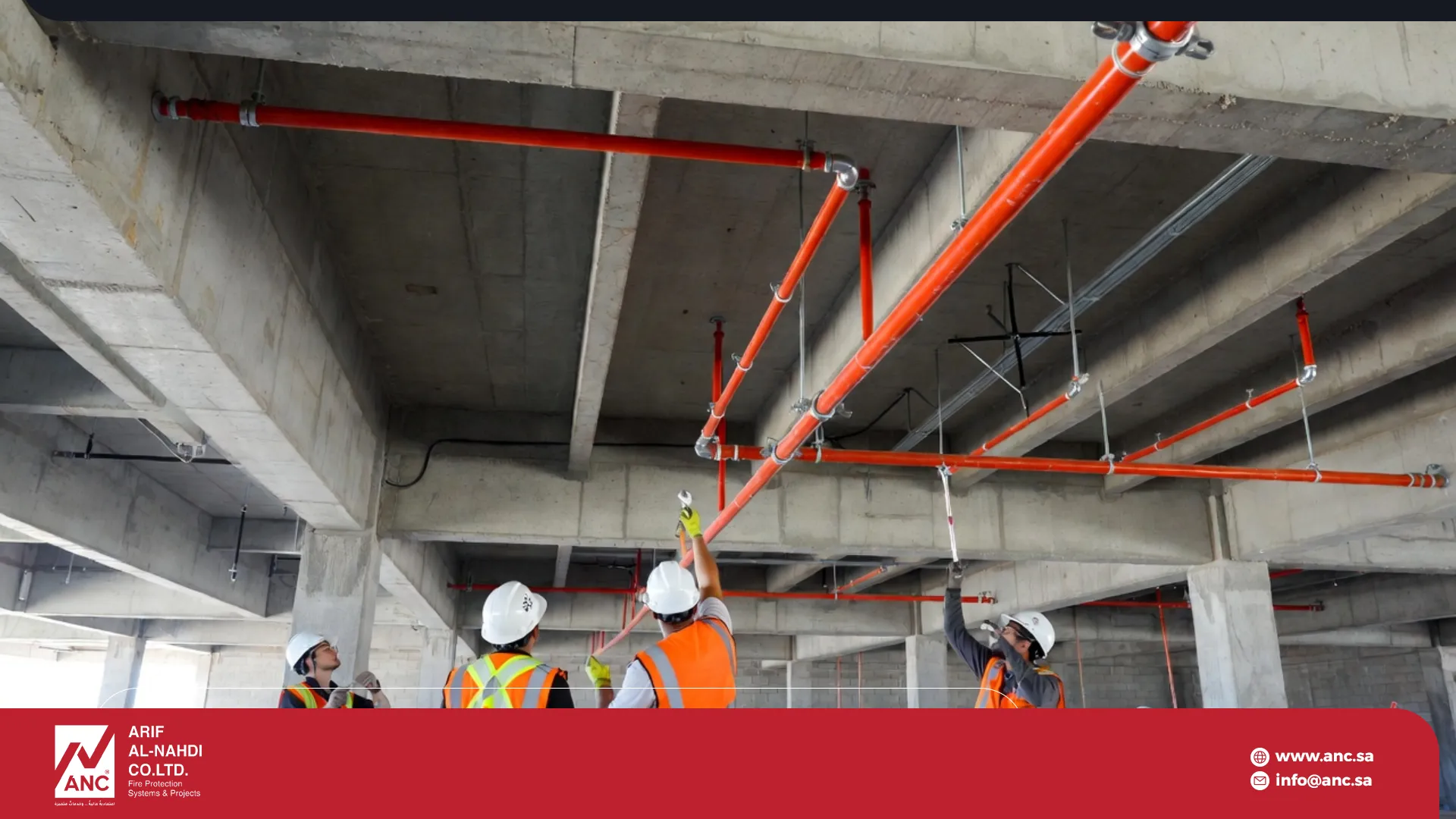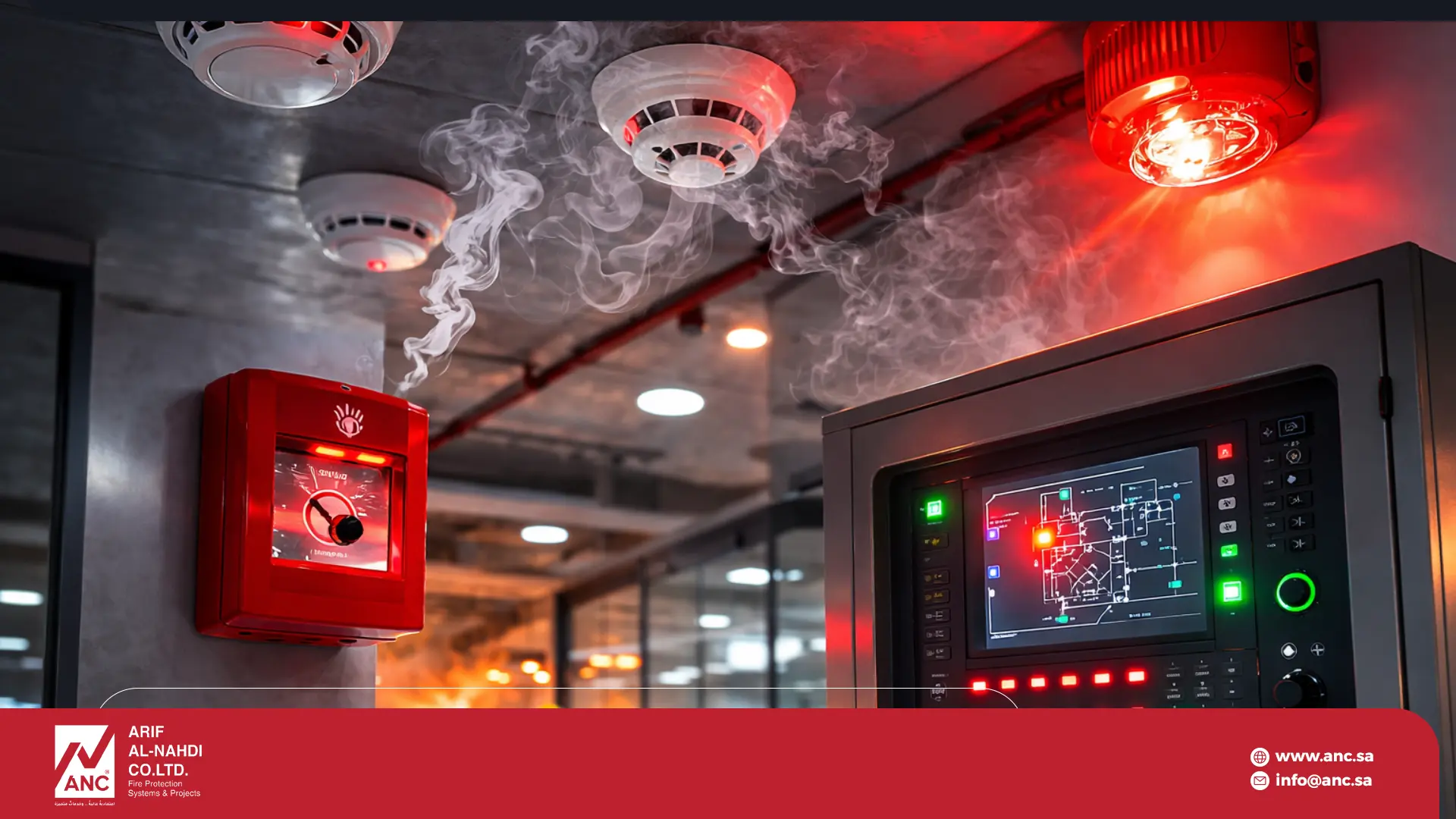

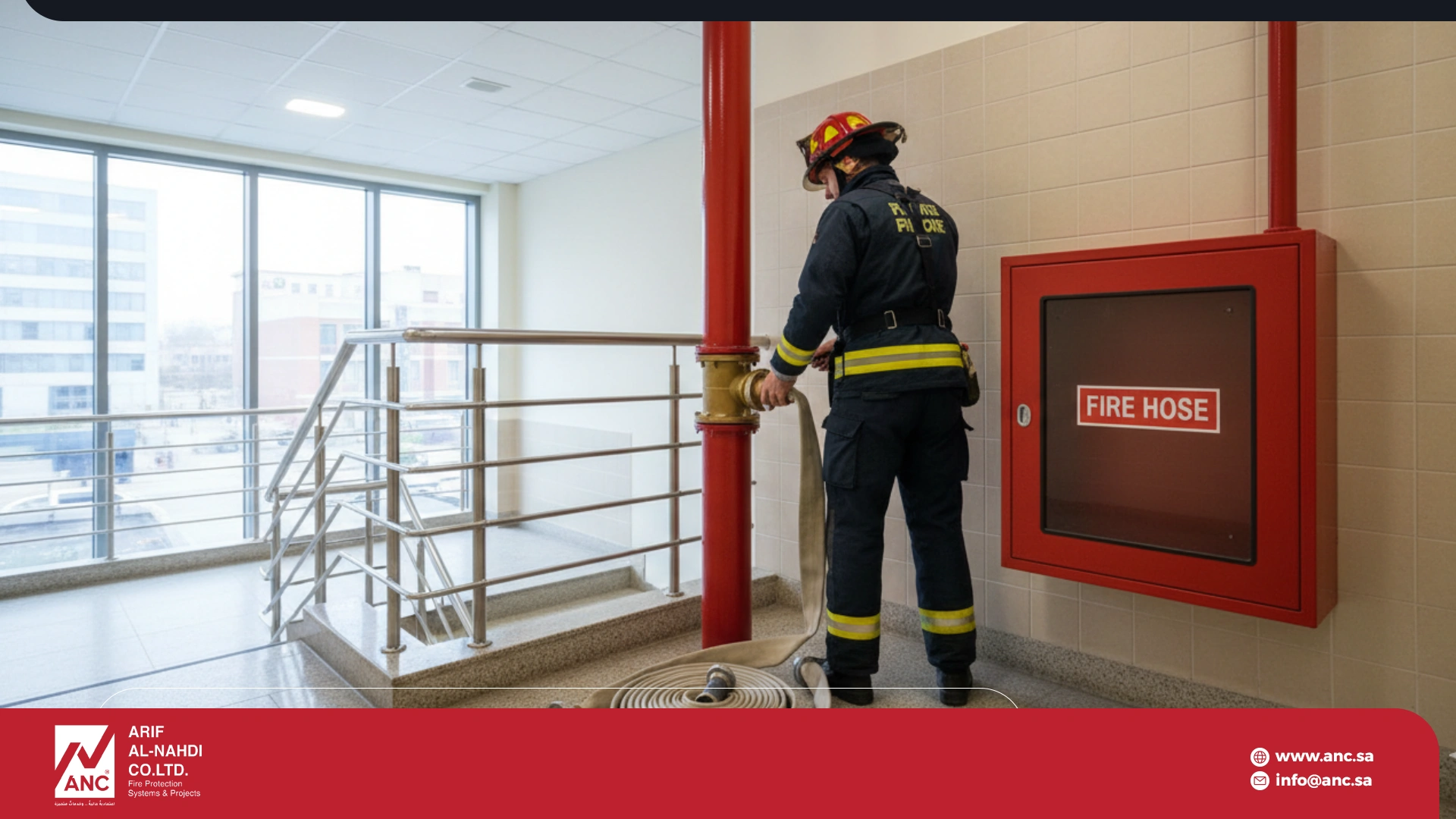
In high-risk environments, fire can escalate within seconds, especially in areas involving flammable liquids or large open hazards. In such cases, traditional sprinkler systems may not be sufficient to control the fire fast or support firefighting operations effectively.
This is where specialized systems like the deluge fire system and fire standpipe system become essential. These systems are designed to provide immediate water discharge or direct firefighting access when needed.
This guide explains how these systems work, their components, design considerations, and where they are best applied.
What Is a Deluge Fire System?
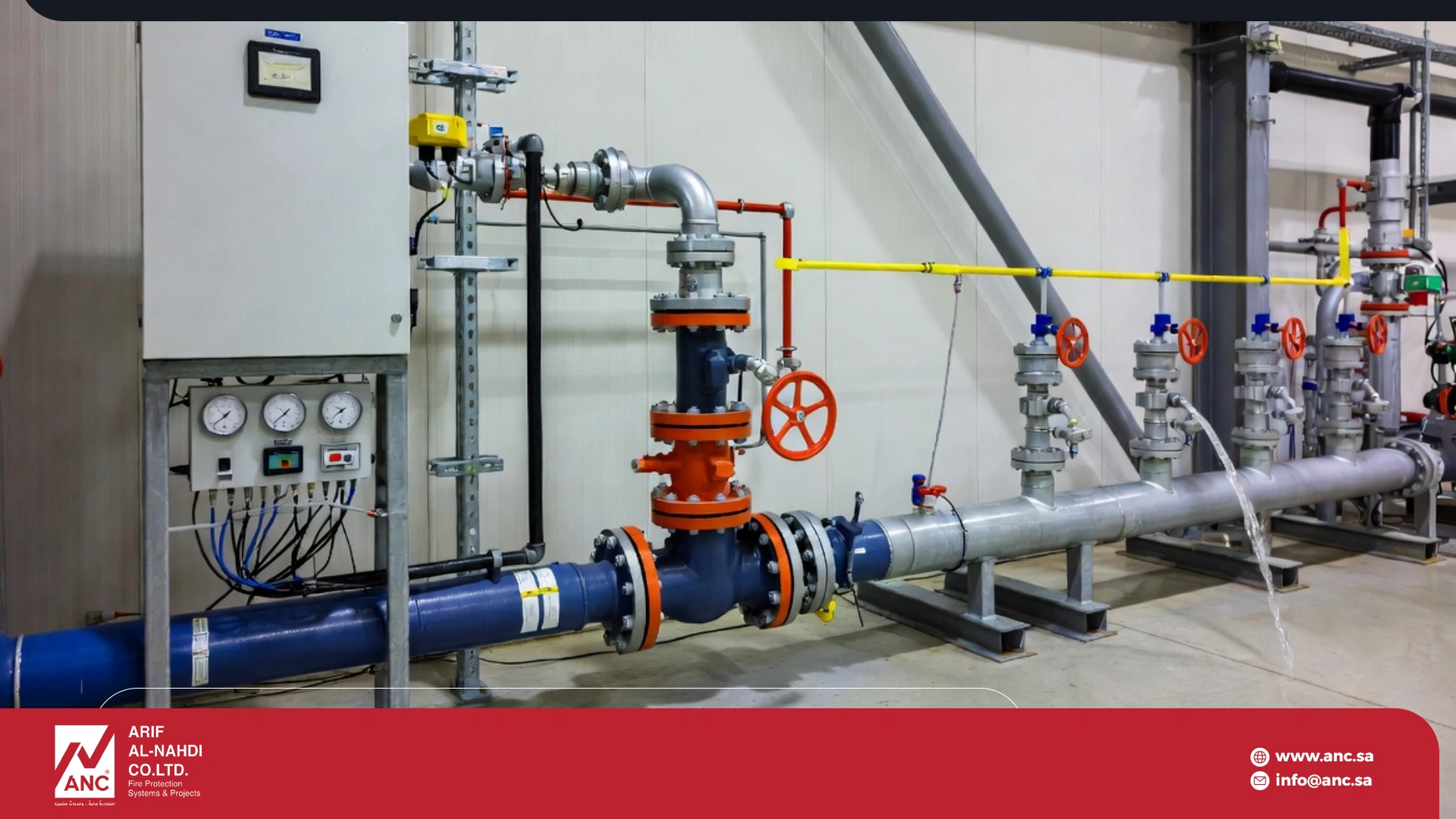
A deluge fire system (or fire deluge system) is a fire protection system in which all sprinklers or nozzles are open, and water is discharged simultaneously when the system is activated.
Unlike traditional sprinkler systems that operate individually, a deluge system releases water across the entire hazard area at once. This is achieved through a deluge valve controlled by a fire detection system.
In practical terms, this means:
- Immediate water discharge
- Full-area coverage
- Rapid suppression of fire spread
These systems are commonly used in environments where fire can spread quickly, such as industrial hazards and flammable liquid areas.
Why Deluge Systems Are Used in High-Risk Areas
A deluge fire system is specifically designed for scenarios where waiting for individual sprinkler activation is not an option.
In high-hazard environments, the priority is to control the fire as early as possible and prevent escalation.
The main advantages include:
- Rapid response across the entire protected area
- Suitability for high-risk industrial environments
- Effective cooling and exposure protection
- Integration with advanced detection systems
However, system performance depends on proper design, reliable detection, and sufficient water supply.
How a Deluge Fire System Works
A fire deluge system operates through a coordinated sequence between detection and water discharge.
The process typically follows these steps:
- Fire is detected using heat, flame, or smoke detectors
- A signal is sent to the control panel
- The deluge valve opens
- Water flows through the piping network
- Water is discharged simultaneously through all open nozzles
This simultaneous discharge is what distinguishes deluge systems from conventional sprinklers.
Key Components of a Deluge Fire System
A deluge system consists of several integrated components that work together to deliver immediate response.
Deluge Valve
The deluge valve is the main control element that releases water into the system when activated.
Detection System
Includes flame, heat, or smoke detectors that trigger system activation.
Piping Network
Distributes water from the supply to all discharge points.
Open Nozzles or Sprinklers
All outlets are open and designed to discharge water simultaneously.
Control Panel
Coordinates detection signals and activates the system.
Fire Standpipe System Explained
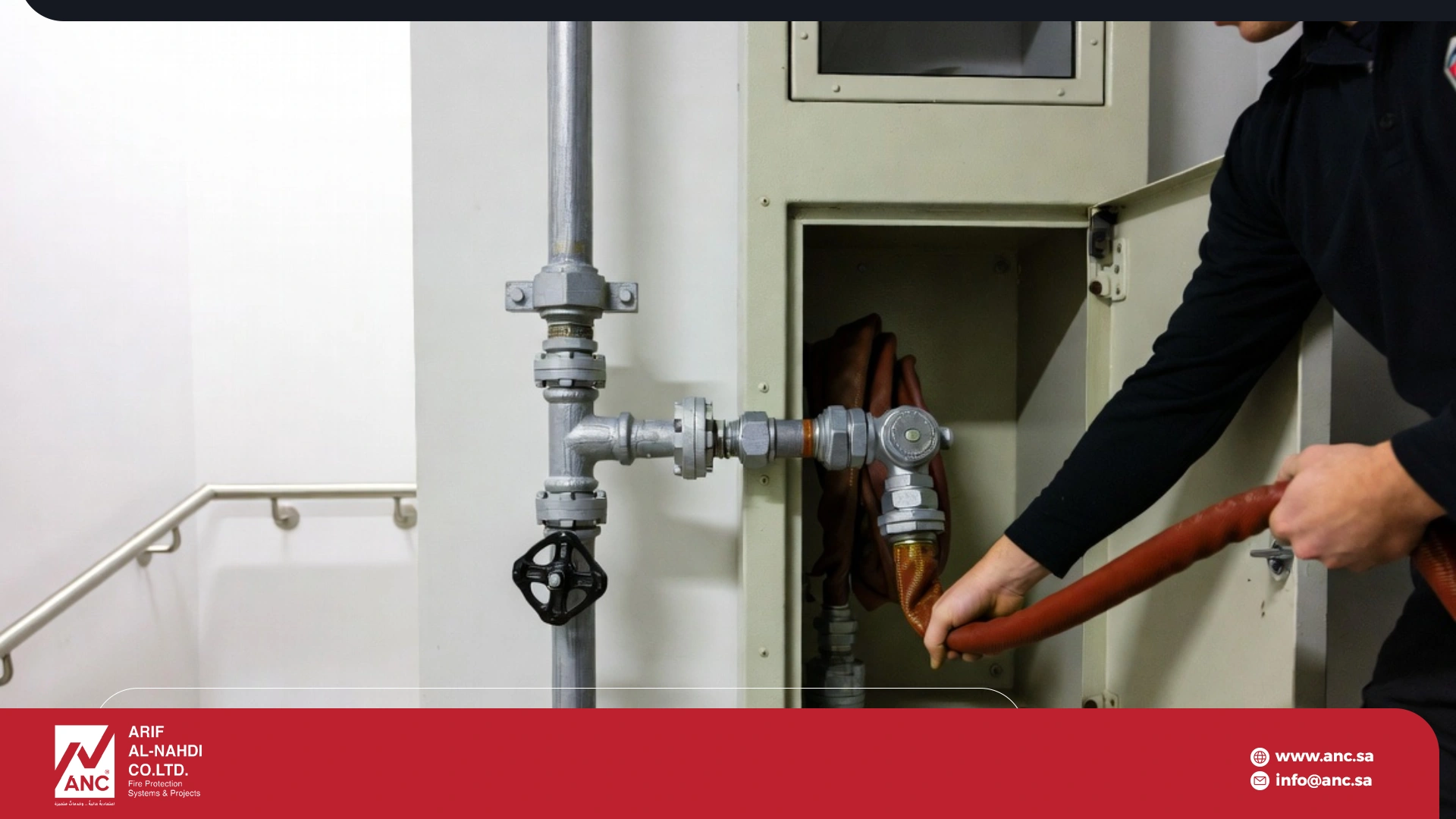
A fire standpipe system (also known as a riser fire system) is a fixed piping system that provides water access points inside a building for firefighting purposes.
Unlike automatic systems, standpipes support manual firefighting operations by allowing firefighters to connect hoses at different levels within a building.
These systems are commonly installed in:
- High-rise buildings
- Commercial towers
- Large industrial facilities
They are typically connected to fire pumps and water supply systems to ensure adequate pressure and flow.
Also Read: Fire Panel System, Fire Control & Monitoring Solutions
Types of Fire Standpipe Systems
Class I Standpipe System
Designed for use by trained personnel and firefighters, typically with larger hose connections.
Class II Standpipe System
Intended for occupant use, often equipped with hose reels for quick response.
Class III Standpipe System
A combination system that supports both trained personnel and building occupants.
The selection depends on building type, occupancy, and fire safety requirements.
Fire Riser System Explained
A riser fire system is the vertical piping that distributes water throughout a building.
In multi-story buildings, the riser acts as the main supply line, delivering water from the source to different floors where standpipes and sprinklers are located.
Its role can be summarized as:
- Vertical water distribution
- Connection between pumps and upper floors
- Support for firefighting access points
Without a properly designed riser system, water delivery in tall buildings would not be reliable.
Deluge vs Sprinkler Systems
| Criteria | Deluge Fire System | Sprinkler System |
|---|---|---|
| Activation | Detection-based | Heat-activated individual heads |
| Discharge | All outlets simultaneously | Individual sprinklers |
| Application | High-hazard areas | General building protection |
| Response | Immediate full coverage | Localized response |
A deluge fire system is ideal for high-risk environments, while sprinkler systems are better suited for general fire protection.
Applications of Deluge and Standpipe Systems
These systems are used in different scenarios depending on risk level and building design.
For deluge systems, typical applications include:
- Oil and gas facilities
- Power plants
- Chemical processing areas
- Aircraft hangars
For standpipe systems, common uses include:
- High-rise buildings
- Commercial towers
- Industrial facilities
- Large warehouses
The choice between these systems depends on hazard type and operational requirements.
How to Choose the Right System
Choosing between a deluge fire system and a fire standpipe system depends on the nature of the project.
Some environments require automatic full-area suppression, while others require reliable access for manual firefighting.
Key decision factors include:
- Hazard type and fire risk level
- Building height and layout
- Water supply availability
- Integration with detection systems
- Regulatory requirements in KSA
At Al-Nahdi, system selection is based on a combination of engineering design and real-world application needs.
Request a customized solution for your project!
Also Read: Fire Fighting System Installation: Pipes, Valves & Equipment Guide
Inspection, Testing, and Maintenance Requirements
Regular maintenance ensures that both deluge and standpipe systems perform as expected.
A typical maintenance program includes:
- Inspection of valves and piping
- Testing of detection and activation systems
- Flow testing of standpipes
- Verification of water supply
Maintenance should follow recognized standards and project requirements.
Standards and Codes for Deluge and Standpipe Systems
Both deluge fire system and fire standpipe system installations must comply with recognized standards.
These typically include:
- NFPA guidelines for deluge and sprinkler systems
- NFPA standards for standpipe systems
- Local fire safety codes in KSA
A deluge fire system and a fire standpipe system are essential for protecting high-risk environments and supporting effective firefighting operations. Each system serves a specific purpose—whether rapid full-area suppression or providing water access for manual firefighting.
At ANC, tailored fire protection solutions are developed to meet complex project needs and ensure safety.
Request a quote or expert consultation today to protect your facility.
Frequently Asked Questions About Deluge Fire System
1- What is a deluge fire system?
A deluge fire system is a fire protection system that releases water through all open nozzles simultaneously when activated, providing full-area coverage for rapid fire suppression.
2- When is a deluge system used instead of sprinklers?
A deluge system is used in high-hazard environments where fire can spread rapidly and immediate full-area water discharge is required, such as in oil and gas facilities or chemical processing areas.
3- What is a fire standpipe system?
A fire standpipe system is a network of pipes with hose connections installed Inside buildings to allow firefighters to access water quickly during a fire emergency.
4- What is a fire riser system?
A riser fire system is a vertical pipe that distributes water from the main supply to different floors in a building, supporting both standpipe and sprinkler systems.
5- What standards apply to deluge and standpipe systems?
These systems are typically designed and installed according to NFPA standards, local fire safety regulations in Saudi Arabia, and project-specific requirements.