
Imagine a spark in a cable or transformer shutting down an entire solar panel farm in minutes—especially under Saudi Arabia’s high temperatures. In energy projects, losses are measured not only in damaged equipment but also in halted production, delayed contracts, and reputation risks. With the rapid expansion of solar panel farms in open sites, fire protection solutions have become an engineering necessity, not an optional measure.
This article explores the most common causes of fires in solar panel farms, the suitable detection and suppression systems for transformers, control rooms, and outdoor areas, and how to build a protection system that ensures readiness and operational continuity.
Why Fire Protection is Essential for Solar Panel Farms
Fire protection is a top priority for solar panel farms in Saudi Arabia. Open-air operation and high electrical loads increase the likelihood of faults and thermal escalation. Early warning and suppression systems are critical because they directly impact production continuity and reduce costly downtime.
High Temperatures and Electrical Systems
Extreme heat increases thermal stress on cables, panels, and connections, causing material expansion and insulation degradation over time. Heat also accelerates the deterioration of electrical components, particularly in continuous operation at exposed sites. Environmental factors like dust and wind further create hot spots, making fire prevention a core part of system design rather than a post-installation addition.
Electrical Fault Risks in Panels and Transformers
Electrical faults such as arc faults or short circuits can ignite fires rapidly, especially near cables or combiner boxes. Transformers and control rooms are highly sensitive points where malfunctions may generate intense heat or sparks. Vibrations and thermal expansion over time can loosen fittings and increase fault probabilities, emphasizing the need for early detection and compatible suppression systems that do not damage equipment.
Ensuring Continuity in Large-Scale Energy Projects
Even partial shutdowns in large solar panel farms or power stations cause daily production losses and contract delays. Small fires may trigger safety investigations and longer operational pauses than the damage itself. A comprehensive fire protection system reduces response time, contains incidents locally, and protects investments while maintaining long-term generation stability.
Common Causes of Fires in Solar Panel Farms
Fires in solar panel farms often result from electrical faults or gradual component degradation in harsh environments, and they escalate quickly due to extensive cabling and multiple connection points. Common causes include:
Poor electrical wiring
Overloading
Cable damage from environmental factors
Transformer fires
High temperatures near flammable materials
Also Read: Reducing Fire Pump Noise: Solutions for Pump Rooms Near Residences

Suitable Fire Protection Systems for Solar Panel Farms
Fire protection in solar panel farms relies on combining early detection with appropriate suppression systems tailored to each area: open sites, control rooms, and transformers. Effective solutions include:
1. Early Detection Systems
Monitor hazards before they escalate into fires, using sensors capable of withstanding outdoor conditions:
Thermal sensors
Smoke detectors
Flame detectors resistant to external conditions
2. Clean Agent Fire Suppression Systems
Protect sensitive equipment in control rooms and transformers without leaving residue:
CO₂
FM200
Novec
3. Water and Outdoor Spray Systems
For open areas, perimeter zones, and cable pathways, deploy high-capacity systems for rapid coverage:
Water spray systems
Deluge systems
4. Foam Suppression Systems for Transformers
To handle transformer fires and associated oil hazards, use foam-based solutions and field-deployable equipment:
Foam suppression systems
Firefighting monitors
Role of Fire Pumps in Protecting Power Stations
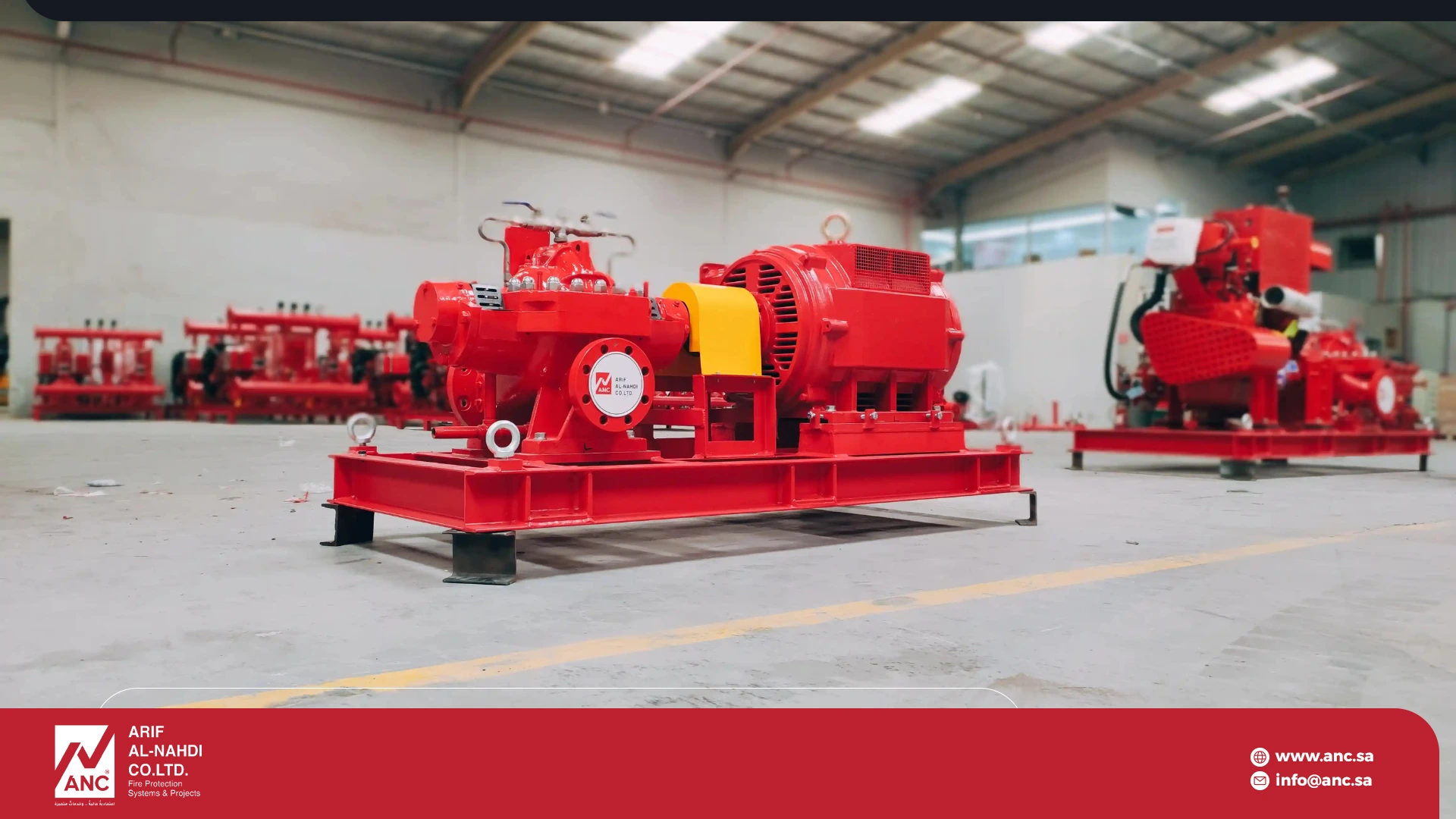
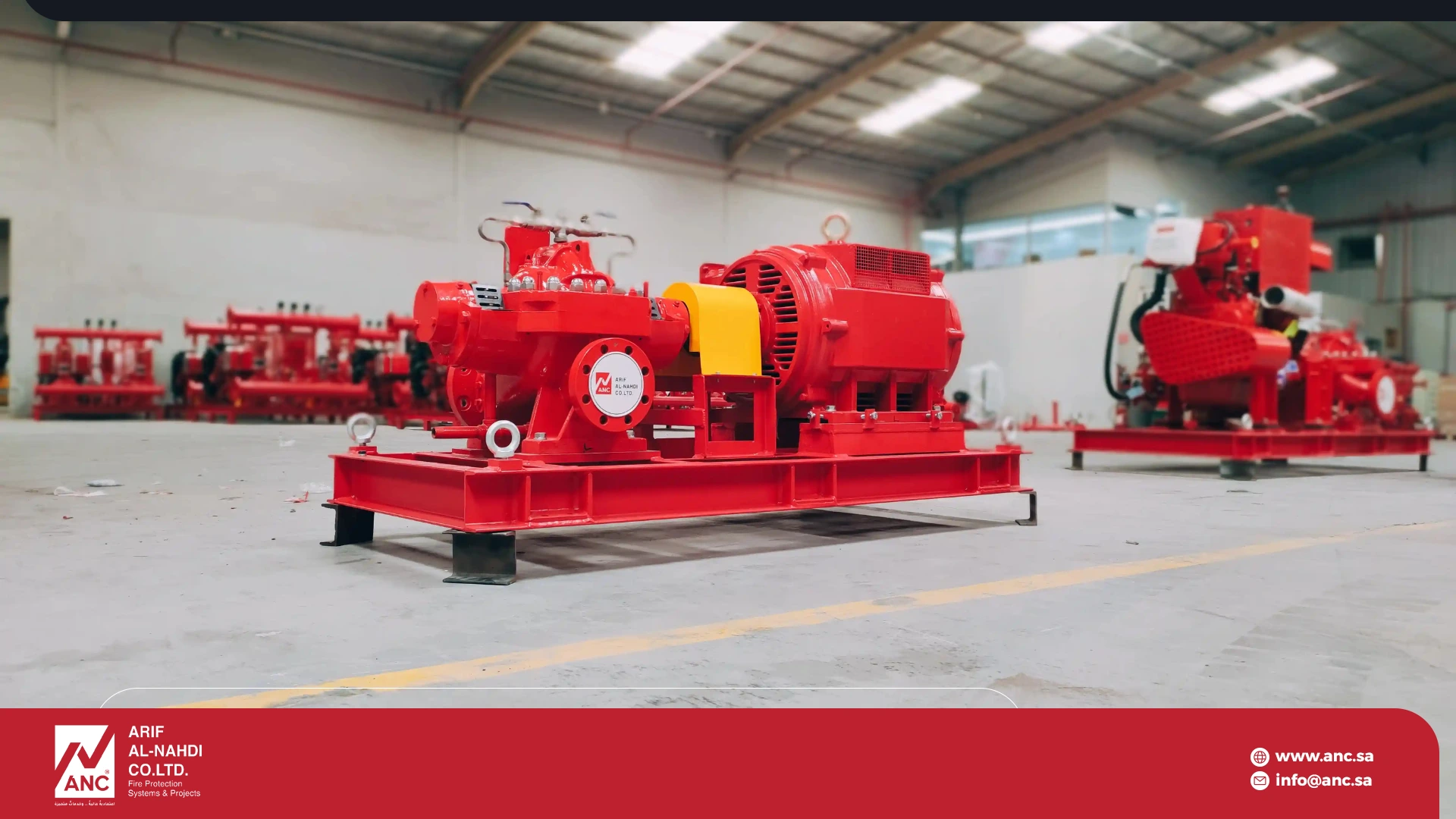
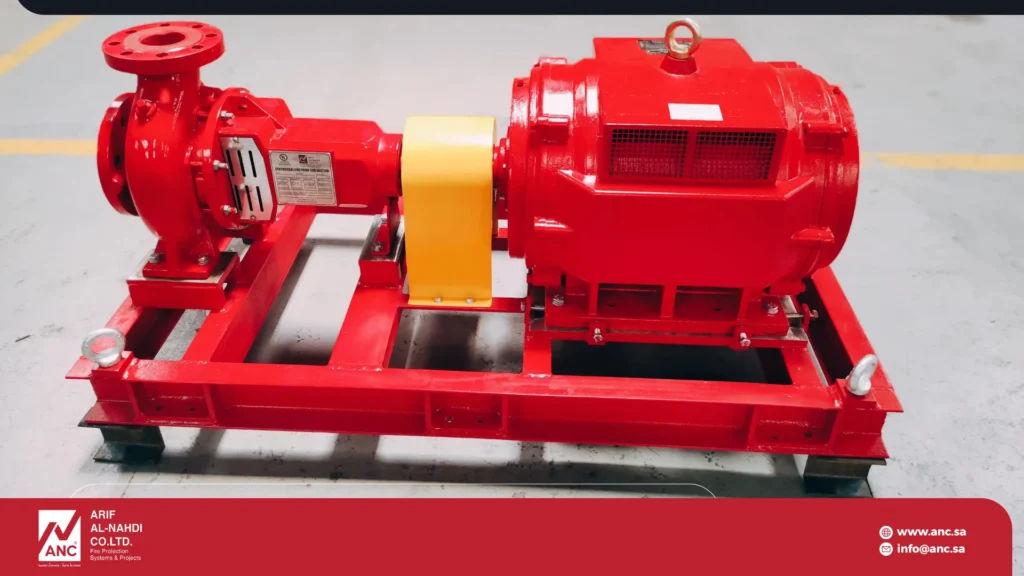
Fire pumps are the backbone of water-based fire suppression in power stations, ensuring flow and pressure stability when needed. For solar panel farms:
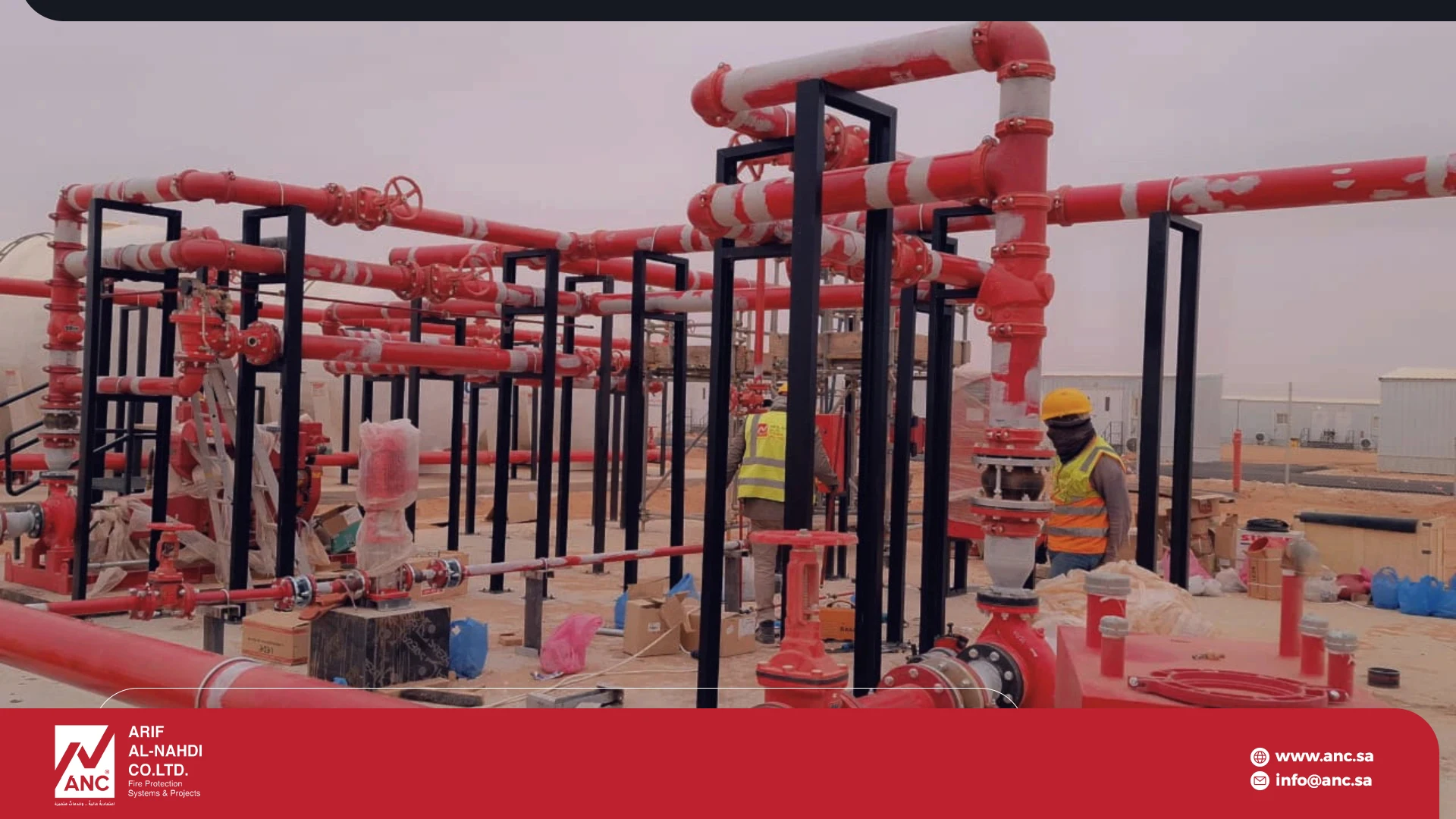
Supply necessary water pressure to outdoor networks
Diesel pumps offer reliable solutions for remote sites
UL/FM certified pumps ensure performance and reliability for large-scale projects
Designing an Effective Fire Network for Solar Panel Farms
An effective fire network in solar panel farms is based on risk segmentation and appropriate suppression selection:
Identify fire hazard zones: Transformers, control rooms, cable routes, panel areas, and site perimeter
Distribute sprinklers optimally: Adjust coverage according to row spacing and pathways
Select systems for outdoor resilience: Ensure performance under sun, dust, and wind exposure
Protect critical areas with specialized systems: Clean agent or foam systems for transformers and control rooms
Also Read: Difference Between ABC Powder and CO₂ Fire Extinguishers
Maintenance and Smart Monitoring
Regular maintenance ensures solar panel farms remain ready and prevents fires through early fault detection:
Inspect cables and connections for wear, loosening, or overheating
Monitor panel and transformer temperatures to detect hot spots early
Use IoT-connected systems for real-time alerts on abnormal electrical behavior
This transforms fire protection from reactive response to a proactive prevention system.
Why Choose ANC for Solar Panel Farms and Power Stations
For managing fire risks in solar panel farms and power stations in Saudi Arabia, ANC provides turnkey fire protection solutions:
Suppression systems tailored for solar energy environments
Supply of UL/FM certified pumps and systems compliant with Saudi regulations
Specialized engineering teams for energy project protection
On-site technical support and periodic maintenance
Contact ANC today for a professional assessment and a tailored fire protection system for your solar panel project—from design to operation and maintenance.