ANC

Fire Doors in the Rainy Season: Why Check Seals and Insulation?

أبواب الحريق في موسم الأمطار: لماذا يجب فحص الأختام والعوازل؟

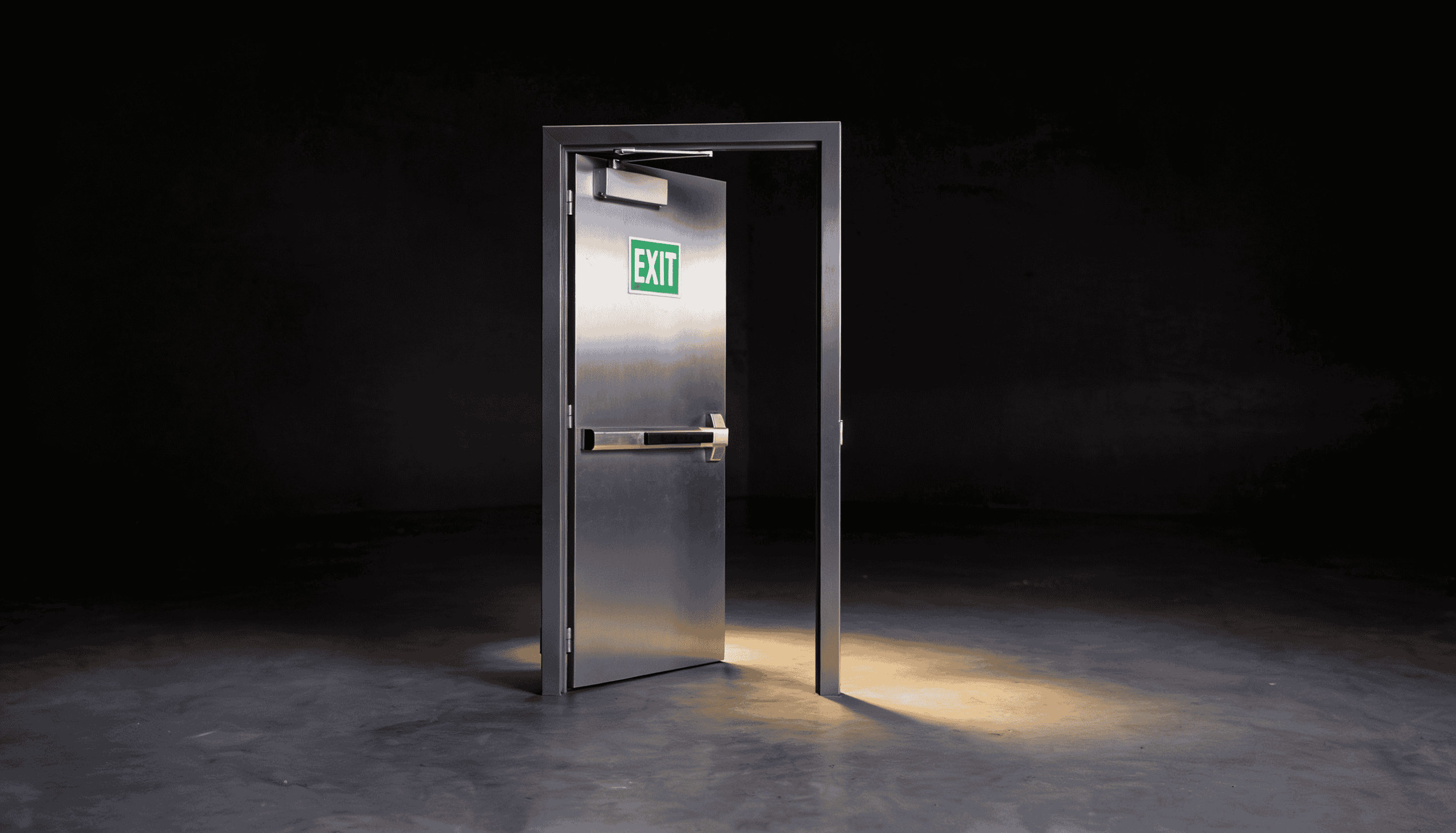
Fire door inspection question: does a fire door look sound just because its frame is solid, while the seals and insulation have lost their tight closure due to moisture? In the rainy season, water and humid air creep into small details around the frame, reducing sealing performance and increasing the risk of smoke leakage during emergencies. The problem is that a fire door can fail functionally even when the exterior shows no obvious defect, exposing the facility to higher risk and inspection remarks.

In this article, you will see how rainfall affects fire door performance, and why checking seals and insulation is a critical step to protect lives and reduce losses. Keep reading.

What is the role of fire doors in safety systems?

Fire doors play a central role in safety systems because they compartmentalize the building to slow the spread of fire and smoke, and help keep evacuation routes protected for a safe window of time. Their function works alongside other fire protection components to deliver complete emergency protection.

  • Prevent fire spread between zones.
  • Isolate smoke and toxic gases.
  • Provide a safe evacuation window.
  • Integrate with other fire systems.

How does the rainy season affect fire doors?

Rain and humidity create gradual changes in fire door performance even if the door looks fine on the surface, because weak points often appear around the frame, seals, and closing mechanism. The issue becomes more severe when wet periods and high humidity repeat without inspection and maintenance, reducing the door’s ability to seal and close tightly.

Water and moisture intrusion

The impact often starts when moisture leaks around the frame perimeter or beneath the door, gradually collecting in fixing points and corners. Over time, this can distort the door or frame depending on the material, leading to swelling or surface corrosion that weakens stability. With ongoing humidity, some insulating strips weaken and lose part of their density and their ability to block leakage.

Damage to rubber seals

The fault progresses when rubber seals lose elasticity due to moisture and temperature swings, then begin to harden or crack along the edges. This damage reduces the door’s tight closure, creating small gaps that allow smoke to leak even if the outer structure remains strong. With every opening and closing cycle, the problem can widen, and smoke sealing performance falls below what the door rating assumes.

Impact on self-closing and hinges

Performance is affected when hinges and self-closing devices are exposed to moisture, leading to early rust signs or increased movement resistance. This can cause slow closing or incomplete closure, which is critical because it cancels the door’s purpose at the exact moment of an emergency. With repeated use without correction, door-to-frame alignment can shift, gaps grow, and leakage risk rises.

Read also: How Do Low Winter Temperatures Affect Fire Pumps?


ما دور أبواب الحريق في أنظمة السلامة؟
Fire Doors in the Rainy Season: Why Check Seals and Insulation?

Why are seals and insulation a critical element in fire doors?

Seals and insulation are critical in fire doors because they are what turns a strong door into a real barrier that prevents smoke and heat from passing through the gaps around the frame. Their risk becomes clear when the door fails functionally despite a solid exterior, simply because the closure is no longer tight.

  • Their role in preventing smoke leakage.
  • Maintaining the fire-resistance rating.
  • A door can fail despite a sound exterior structure.

Warning signs that require immediate fire door inspection

The need for immediate fire door inspection appears when the closing behavior changes or gaps show around the frame, because these signs often point to weakened seals or issues with hinges and the self-closing mechanism. In the rainy season, the signs may be directly linked to humidity, rust, and reduced sealing effectiveness.

  • Difficulty closing the door.
  • Gaps around the frame.
  • Cracks or hardening in the seals.
  • Moisture marks or rust.

Risks of neglecting fire door checks in the rainy season

Neglecting fire door checks in the rainy season increases the likelihood of sealing failure during emergencies, because humidity can weaken seals and affect self-closing performance without early notice. Once the door loses tightness, smoke and heat spread between areas faster, reducing evacuation time and increasing losses.

  • Faster smoke spread.
  • Loss of compartmentation effectiveness.
  • Non-compliance with Civil Defense requirements.
  • Higher emergency losses.

Read also: Winter Electrical Loads in Winter: When Does a Heater Become a Risk at Home?


مخاطر إهمال فحص أبواب الحريق في موسم الأمطار
Risks of neglecting fire door checks in the rainy season

How are fire doors inspected correctly?

Fire door inspection starts by treating the door as a sensitive functional part of the fire safety system, because a solid structure alone is not enough if the closure is not tight or the seals are damaged. In the rainy season, inspection becomes even more important to detect moisture and rust effects before they turn into emergency failure—requesting a professional check early can prevent avoidable compliance issues.

Checking seals and insulation

Inspect the presence of seals around the frame and confirm secure installation with no breaks or loose sections. Check flexibility and density, because hardened material or cracks mean it can no longer prevent smoke leakage. Also note any moisture traces that may directly cause gasket deterioration and performance changes.

Testing the self-closing action

Test closing time to ensure the door closes smoothly within a suitable time without hesitation or abnormal slowness. Confirm full closure by checking for obstructions or friction that prevents the door from seating completely against the frame. Watch for rebound or a stop in the final stage, as this can indicate a mechanism or alignment issue.

Inspecting the frame and hinges

Examine the frame for rust, corrosion, or damage at fixing points that could widen gaps around the door. Check hinges for stability, smooth movement, and the absence of roughness or scraping sounds that signal early rust. Review the door’s overall stability within the frame, because any looseness can weaken closure and reduce smoke-seal effectiveness.

Read also: Winter Fire Risks: How to Protect Your Home from Heater Fires


Civil Defense requirements and standards related to fire doors

Civil Defense requirements and fire door-related standards emphasize that the door must function as a real barrier in an emergency—not just a door that is labeled or rated in form—so requirements focus on tight closure, seal integrity, and continuous readiness. Meeting these points is a core part of safety compliance for facilities.

  • Tight-closing requirements.
  • Seal integrity.
  • Continuous door readiness.

The role of Arif Al-Nahdi Co. Ltd (ANC) in fire door inspection and maintenance

Arif Al-Nahdi Co. Ltd (ANC) is the ideal choice for fire door inspection and maintenance to ensure readiness and reliable emergency performance. ANC delivers detailed fire door checks while adhering to all approved requirements and standards for dependable, lasting performance—especially during rainy seasons and high humidity.

  • Comprehensive professional fire door inspection.
  • Replacement of damaged seals and insulation.
  • Approved moisture-resistant materials.
  • Certified technical reports to prove readiness.

To secure compliant fire doors and ensure full readiness, you can contact Arif Al-Nahdi Co. Ltd (ANC) to receive professional inspection and maintenance services to the highest standards.

Best time to inspect fire doors

Fire door inspection is most effective when scheduled before risk periods or aligned with conditions that accelerate seal and insulation wear, because early correction preserves tight closure and prevents surprises during emergencies. Including inspections within a clear maintenance plan also helps keep year-round readiness.

  • Before the rainy season.
  • During high-humidity periods.
  • Within routine maintenance programs.

A properly functioning fire door can save lives by preventing smoke and heat from spreading and by preserving crucial evacuation time—especially in the rainy season, when seals and insulation can degrade from moisture without obvious visible signs. In practice, small details such as tight closure and seal flexibility can make the difference between successful compartmentation and sudden failure during an emergency.

To ensure readiness through a compliant fire door inspection and professional maintenance, contact Arif Al-Nahdi Co. Ltd (ANC) for an assessment and replacement of damaged seals before they become a real risk—reach our safety team today.

Frequently asked questions about fire doors in the rainy season

1- Does humidity really affect fire doors?

Yes, it can weaken seals and insulation and increase the likelihood of rust or slow closing, which reduces tightness and increases smoke leakage.

2- How often should fire door seals be inspected?

It is best to check them as part of routine maintenance, with extra inspections before the rainy season and during high-humidity periods or whenever any fault sign appears.

3- Can seals be replaced without changing the door?

Yes, in many cases this is possible if the door leaf and frame are in good condition, provided approved seals are used and installation is done correctly to ensure tight closure.

4- Does ANC provide a certified fire door inspection?

Yes, Arif Al-Nahdi Co. Ltd (ANC) provides professional inspection with technical reports that help demonstrate readiness and compliance with safety requirements.

Leave a Comment

Your email address will not be published. Required fields are marked *

HTML Snippets Powered By : XYZScripts.com
Scroll to Top