

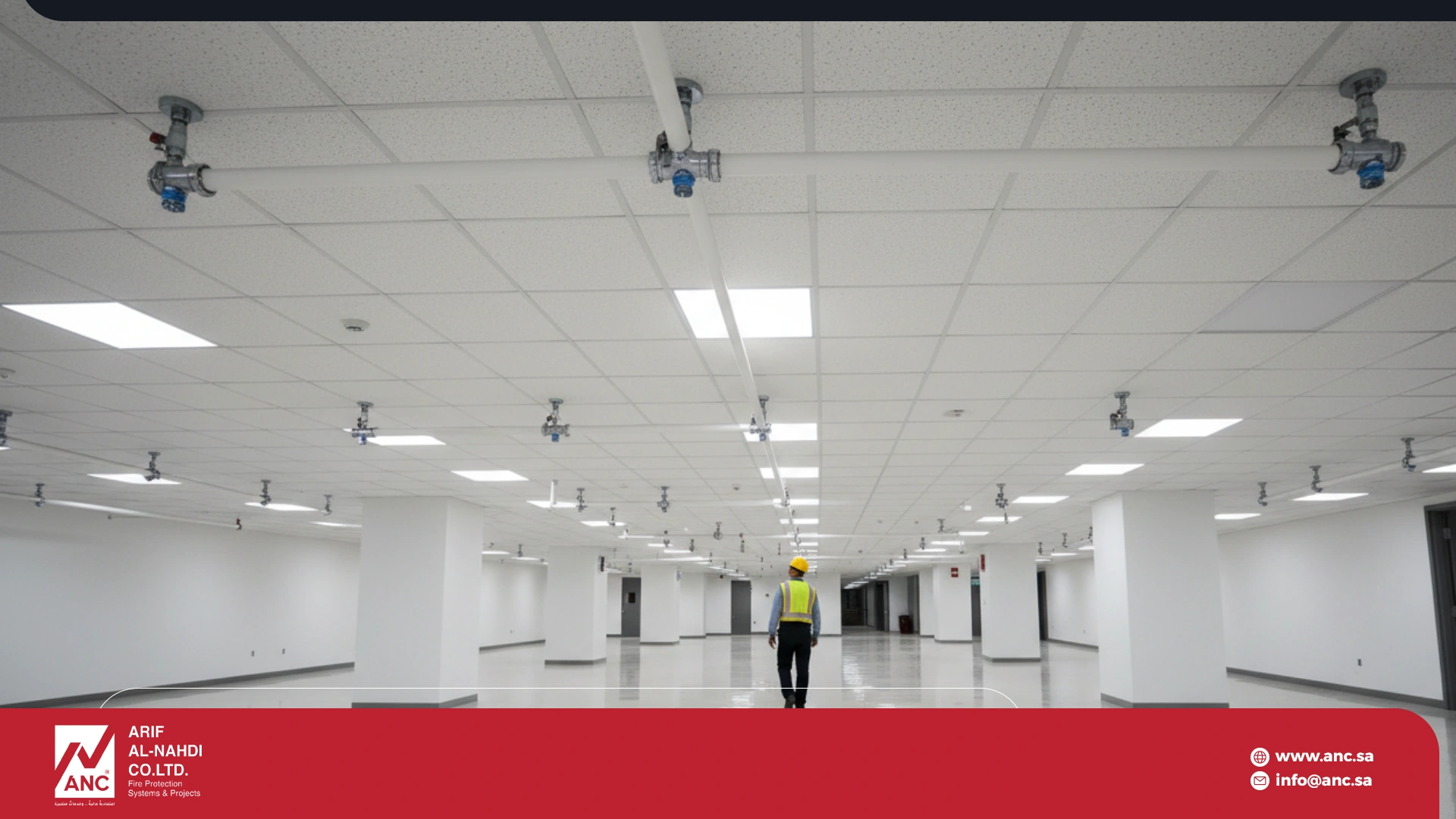
Water-based fire protection remains one of the most widely used and trusted methods for controlling fires in buildings and industrial facilities. When a fire starts, it can spread rapidly if not contained early—causing damage to property, disrupting operations, and risking lives.
A fire extinguishing system with water plays a critical role in controlling and suppressing fires by cooling the fire and preventing its spread. These systems are widely used across Saudi Arabia in residential, commercial, and industrial projects.
This guide explains how water-based systems work, their key components, design considerations, and when alternative systems like clean agents may be more suitable.
What Is a Fire Extinguishing System?
A fire extinguishing system (also referred to as a fire extinguisher system) is a fire protection solution designed to detect, control, and extinguish fires using specific extinguishing agents such as water, gas, foam, or chemical agents.
Water-based systems are among the most common due to their ability to:
- Absorb heat effectively
- Reduce fire temperature fast
- Control fire spread
These systems are widely used in:
- Residential buildings
- Commercial facilities
- Industrial plants
They are typically integrated with fire detection and alarm systems to ensure timely activation.
What Is Water-Based Fire Extinguishing?
A fire water system relies on water as the primary extinguishing agent to control or suppress fire.
Water works by:
- Absorbing heat from the fire
- Cooling combustible materials
- Preventing fire spread
Common types of water-based systems include:
- Sprinkler systems
- Fire hydrant systems
- Water spray systems
These systems are most effective for Class A fires involving materials such as wood, paper, and textiles.
Why Fire Water Systems Are Essential
A fire water system is a fundamental component of any fire protection strategy.
Key benefits include:
- Effective cooling of fire
- Wide coverage for buildings and facilities
- Integration with automatic detection systems
- Cost-effective and reliable solution
In KSA, water-based systems are often required in many types of buildings due to their proven performance and compliance with safety regulations.
However, system effectiveness depends on:
- Proper design
- Reliable water supply
- Regular maintenance
Request a site evaluation from Arif Al-Nahdi to ensure your system meets project requirements.
Also Read: Fire Curtain, Separation & Fire Stopping Systems Explained
How Automatic Fire Extinguishing Systems Work
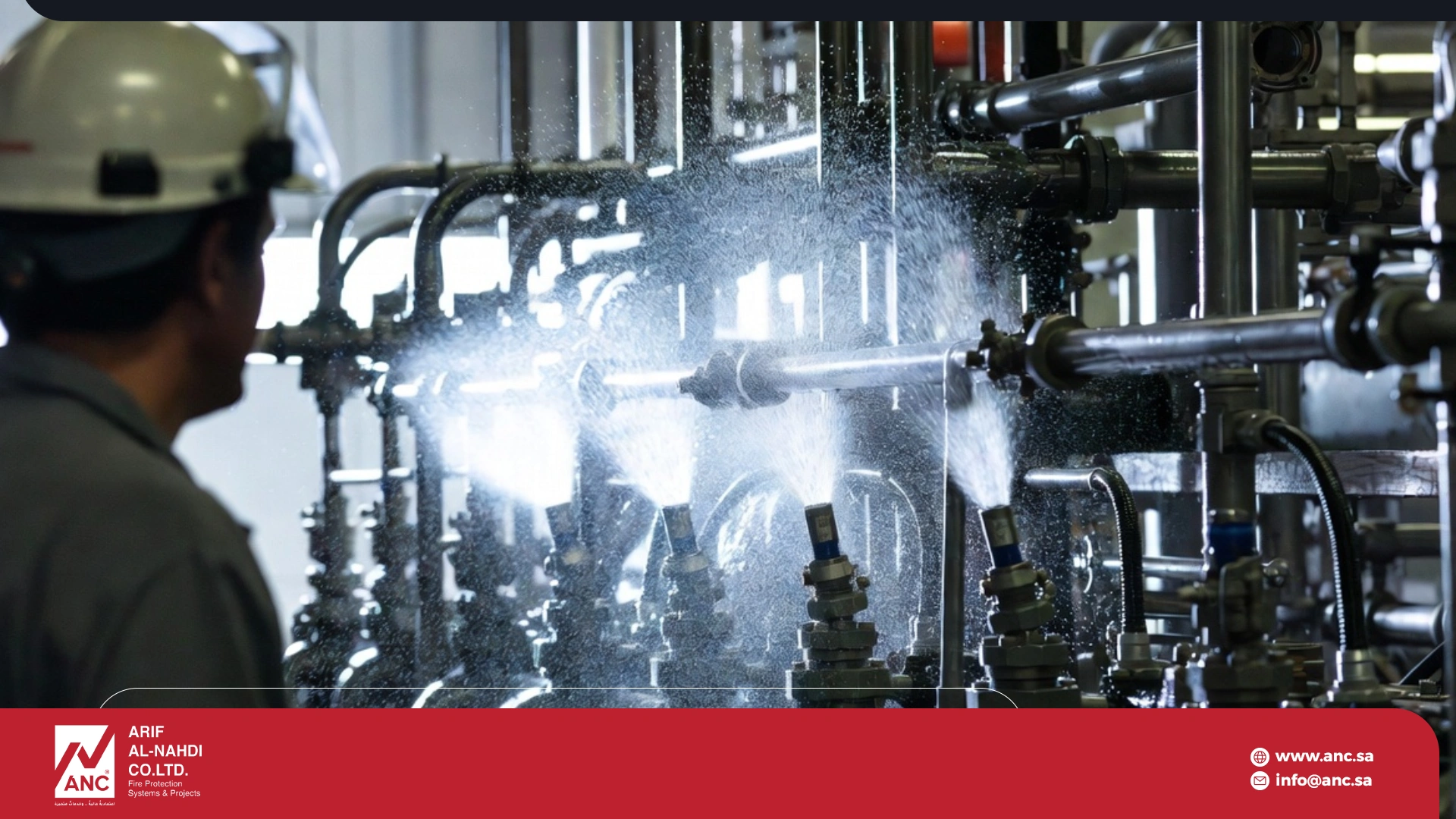
An automatic fire extinguisher system is designed to respond quickly without human intervention.
The process includes:
- Detection of heat or smoke
- Activation of sprinklers or discharge devices
- Release of water over the fire area
- Continuous operation until fire is controlled
These systems are especially important in high-risk or unattended environments.
Key Components of a Fire Water System
Water Supply System
Includes water tanks, municipal supply, or reservoirs that provide the required water volume.
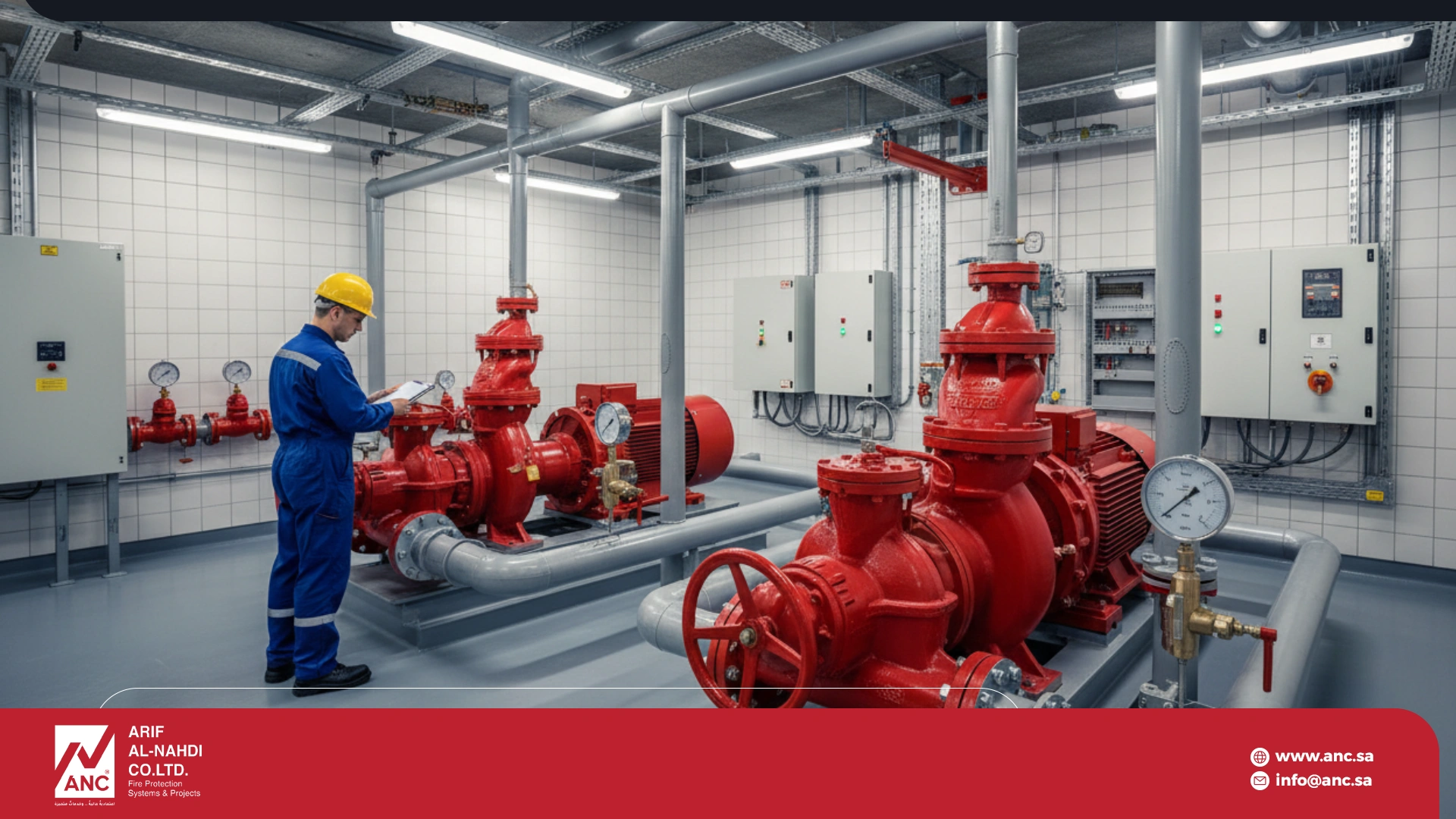
Fire Pumps
Fire pumps ensure adequate pressure and flow. These include:
- Main fire pumps
- Jockey pumps to maintain pressure
Piping Network
A network of pipes distributes water throughout the facility.
Sprinklers and Discharge Devices
Sprinklers and nozzles release water directly onto the fire.
Control Valves and Monitoring Devices
Valves, gauges, and monitoring systems control and supervise system operation.
Design Considerations for Fire Water Systems
Proper fire water system design is critical for performance and compliance.
Key factors include:
- Required flow rate and pressure
- Hazard classification of the building
- Coverage area and system layout
- Water storage capacity
- System redundancy and reliability
Design must follow recognized fire protection standards and project specifications in Saudi Arabia.
Fire Water System Applications
A fire extinguishing system using water is applied in a wide range of facilities:
- Residential and commercial buildings
- Warehouses and storage facilities
- Industrial plants
- Power generation facilities
- Infrastructure projects
Each application requires a tailored design based on risk level and building characteristics.
Water-Based vs Clean Agent Fire Extinguishing Systems
| Criteria | Water-Based Systems | Clean Agent Systems |
|---|---|---|
| Fire Type | Solid materials | Sensitive equipment |
| Residue | Water residue | No residue |
| Equipment Impact | May cause damage | Safe for electronics |
| Application | General buildings | Data centers, control rooms |
A clean agent fire extinguishing system is preferred where water could damage sensitive equipment, while water systems are ideal for general fire protection.
Also Read: Fire and Gas Detection System for Oil & Gas and Industrial Facilities
How to Choose the Right Fire Extinguishing System
Choosing the right fire extinguishing system depends on a proper risk assessment.
Key factors include:
- Type of fire hazard
- Nature of protected assets
- Availability of water supply
- Environmental considerations
- Regulatory requirements in KSA
At ANC, system selection is aligned with both engineering design and local compliance requirements.
Request a customized solution based on your project needs!
Quick Checklist Before Selecting a System
- What type of fire hazards are present?
- Is water suitable for the protected area?
- Is the system automatic or manual?
- What is the required coverage area?
- Is the project new or retrofit?
- What level of protection is required?
Common Mistakes to Avoid
- Inadequate water supply or pressure
- Incorrect sprinkler placement
- Poor system design
- Lack of maintenance
- Ignoring hazard classification
These issues can significantly reduce system effectiveness.
Inspection, Testing, and Maintenance Requirements
Regular maintenance is essential for system reliability.
Key activities include:
- Inspection of pumps and valves
- Testing of sprinkler systems
- Verification of water supply
- Periodic system testing
Maintenance should follow recognized standards such as NFPA guidelines.
Standards and Codes for Fire Extinguishing Systems
A fire extinguishing system must comply with recognized safety standards.
These include:
- NFPA standards for sprinkler and fire water systems
- Local building codes in Saudi Arabia
- Project-specific safety requirements
A fire extinguishing system with water is a fundamental solution for protecting buildings and facilities from fire risks. In (KSA), these systems are widely used due to their reliability, effectiveness, and compliance with safety standards.
At Arif Al-Nahdi, tailored fire protection solutions are available to help you achieve compliance and operational safety.
FAQs About Fire Extinguishing System:
1- What is water-based fire extinguishing?
Water-based fire extinguishing uses water to cool and control fire, making it effective for fires involving solid materials.
2- What are the main components of a fire extinguishing system?
The main components include water supply, fire pumps, piping network, sprinklers, and control valves.
3- When are clean agent systems preferred?
Clean agent systems are preferred in environments where water may damage sensitive equipment, such as data centers.
4- What is an automatic fire extinguisher system?
It is a system that detects fire and automatically releases an extinguishing agent without human intervention.
5- What standards apply to fire extinguishing systems?
These systems are typically designed according to recognized fire protection standards such as NFPA and building codes.