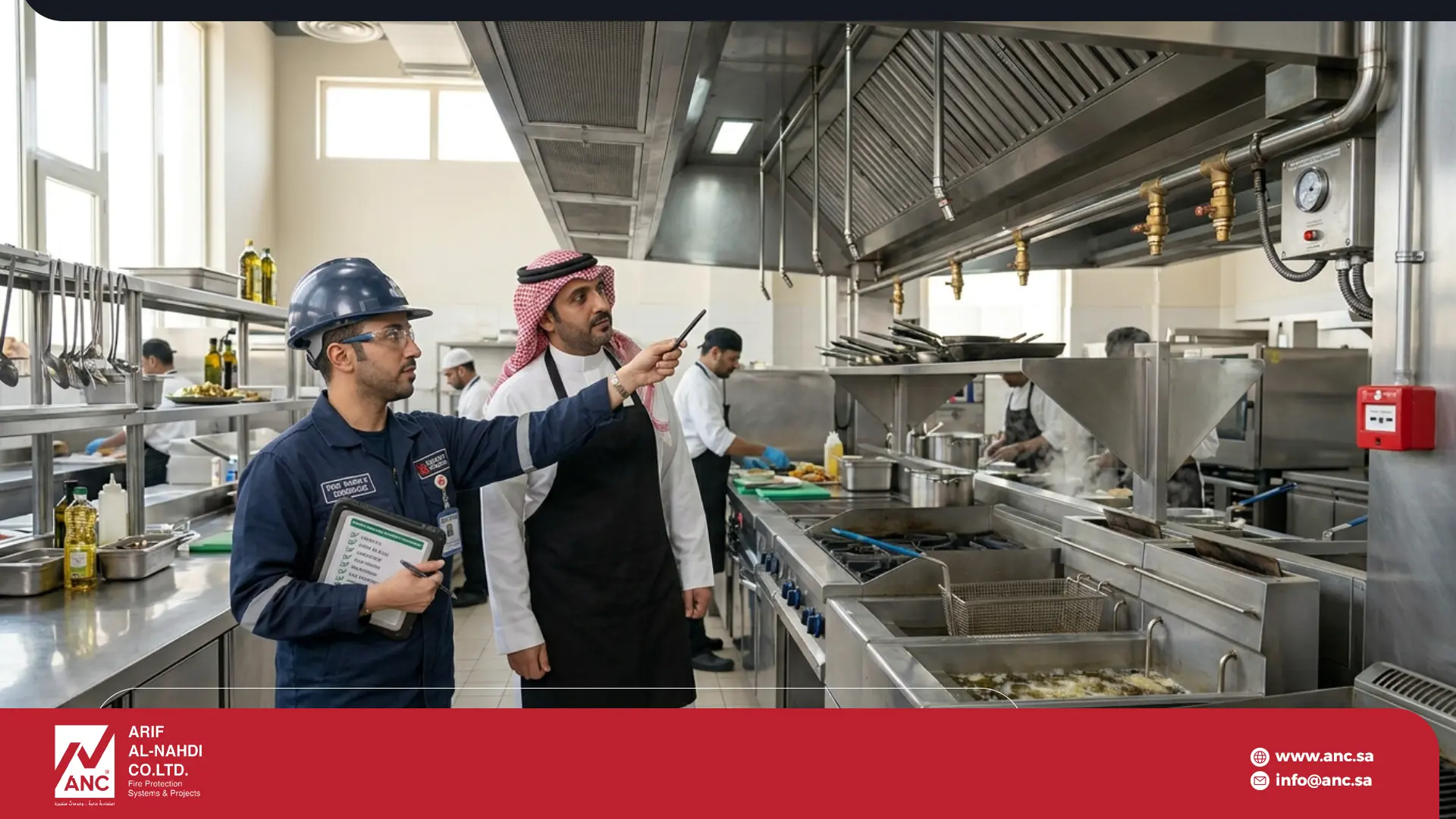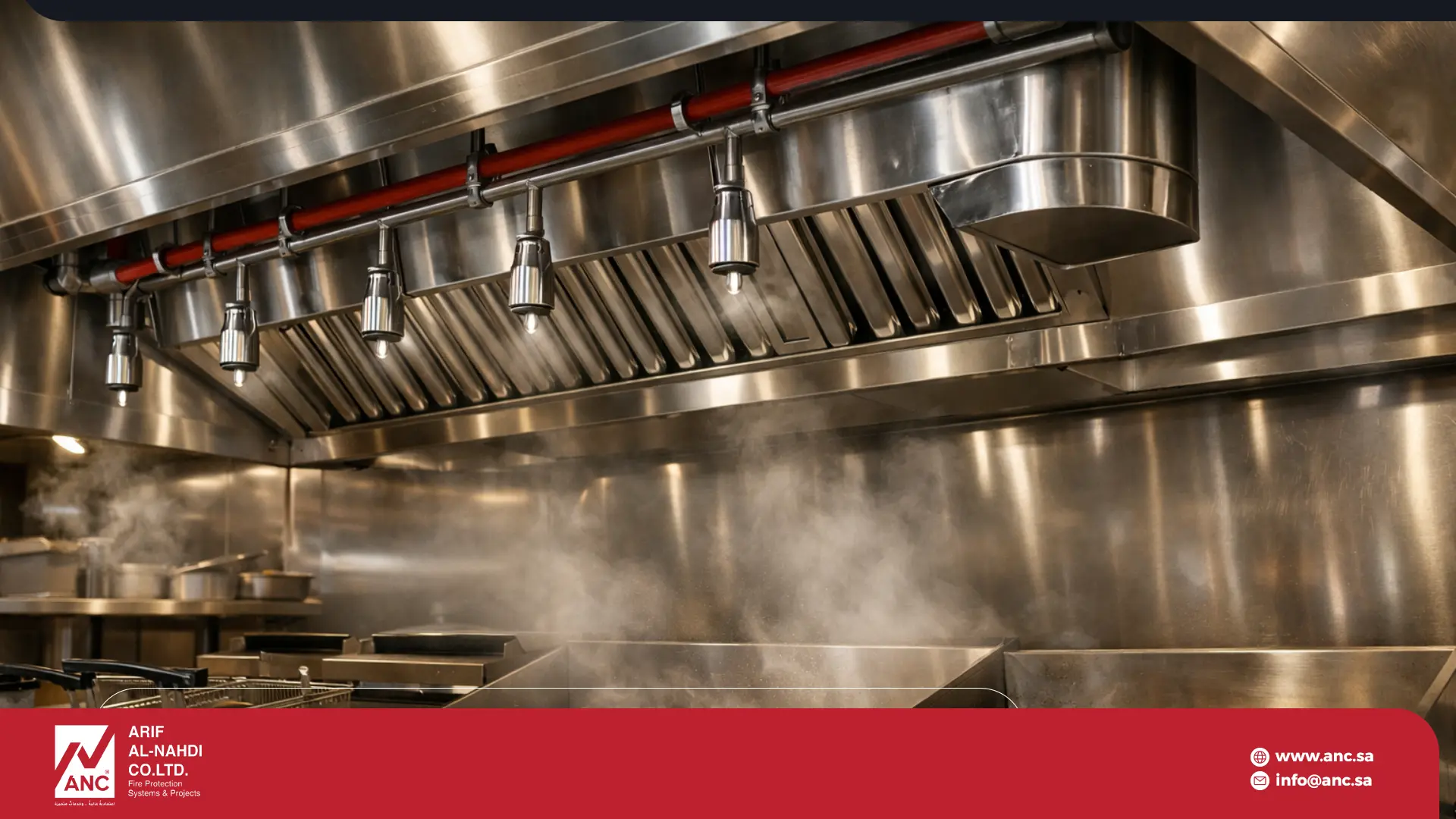

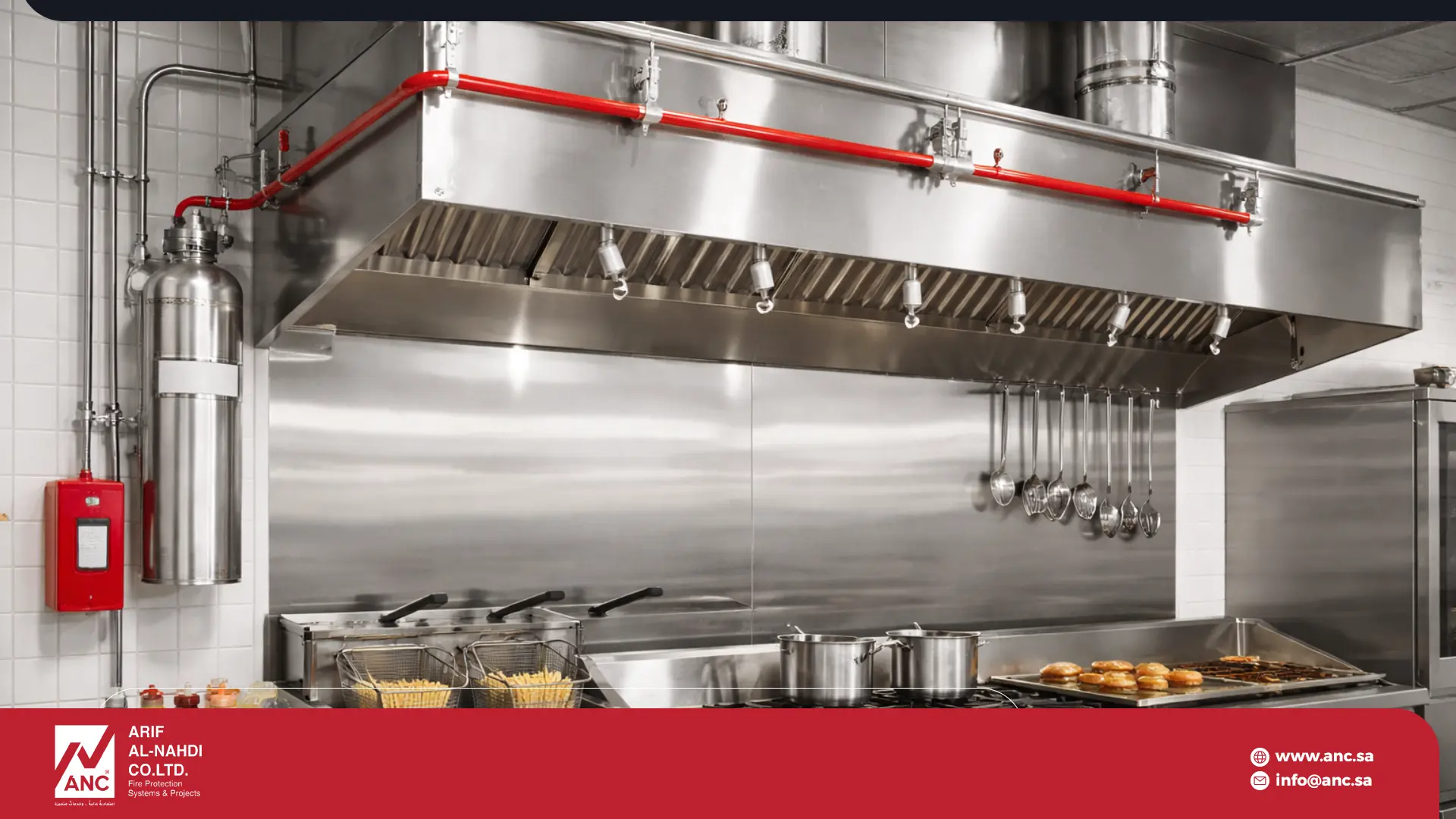
Kitchen hood fire suppression system maintenance is the ongoing work needed to keep the system operational, serviceable, and ready to respond. It is more than a quick visual check of the cylinder or nozzles.
For you, this means maintenance is about overall readiness. A commercial kitchen hood system may include wet chemical suppression, protected appliances, hood and duct coverage, release or detection elements, and shutdown-related components. Mechanical and electrical systems may differ in maintenance focus, but both follow the same core logic: detection, actuation, discharge, and hazard isolation.
That is why fire suppression for kitchen hood should be treated as an ongoing responsibility, not a completed purchase. If your kitchen is active, grease-heavy, or exposed to frequent heat and cleaning cycles, upkeep becomes even more important.
If you are unsure whether your system needs routine attention or a deeper service visit, we at ANC can review the system condition, last service date, and current issue.
Safety Notice / Disclosure: This article is for awareness and service planning only. Final inspection and maintenance needs depend on the listed system instructions, kitchen conditions, project requirements, and qualified technical review. Service should be carried out by trained fire-protection personnel familiar with the installed system.
How Does Kitchen Hood Fire Suppression System Inspection Differ From Maintenance?
This is one of the most common points of confusion.
Kitchen hood fire suppression system inspection means checking condition, accessibility, and visible readiness. Kitchen hood fire suppression system maintenance means correcting issues, restoring function, replacing affected parts, or keeping the system reliable over time.
In simple terms, inspection asks, “What is the current condition?” Maintenance asks, “What needs to be done?”
That distinction matters because a system may look intact and still need service. An inspection may also reveal a condition that should not wait for routine follow-up.
If you need help deciding whether the issue is routine inspection or real maintenance, ask us at ANC for a technical review before delays create bigger problems.
Kitchen Hood Fire Suppression System Inspection Vs Kitchen Hood Fire Suppression System Maintenance
Activity | Main Purpose | Typical Checks Or Tasks | Who Performs It | When Follow-Up Is Needed |
Inspection | Confirm condition and readiness | Visible condition, accessibility, service status, obvious tampering or damage, record check | Qualified fire-protection service personnel | When issues, overdue items, or unclear readiness are found |
Maintenance | Restore or preserve reliable operation | Adjustments, replacements, corrective service, component-related upkeep, documentation updates | Qualified fire-protection service personnel familiar with the listed system | When inspection findings or service conditions require action |
Emergency Callout | Address urgent readiness concerns | Fault review, visible damage, accidental discharge, control or release issues, uncertain operability | Qualified urgent-response service personnel | Immediately when readiness is in doubt |
A simple rule: inspection shows where you stand, while maintenance changes the condition of the system.
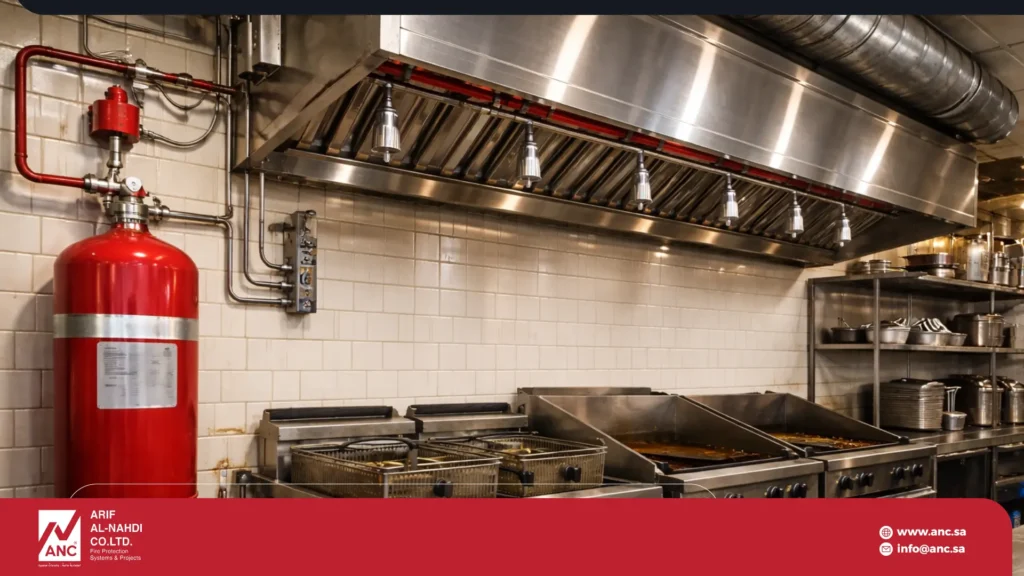
Why Do Kitchen Hood Fire Suppression Systems Inspections Matter For Readiness And Compliance Records?
Kitchen hood fire suppression systems inspections matter because they help catch visible issues early and support the records management may need to track readiness.
That means inspections are not only a technician task. They are also a management responsibility. Service records, posted operating instructions, and follow-up actions help show whether overdue issues are being handled on time.
A documented kitchen hood fire suppression inspection also improves internal visibility. It helps your team know what was checked, what was found, and what now needs scheduled service or urgent escalation.
If you want scheduled support instead of last-minute troubleshooting, we at ANC can help you arrange an inspection path that supports both readiness and documentation.
What Is Checked During Kitchen Fire Suppression Hood Inspection Visits?
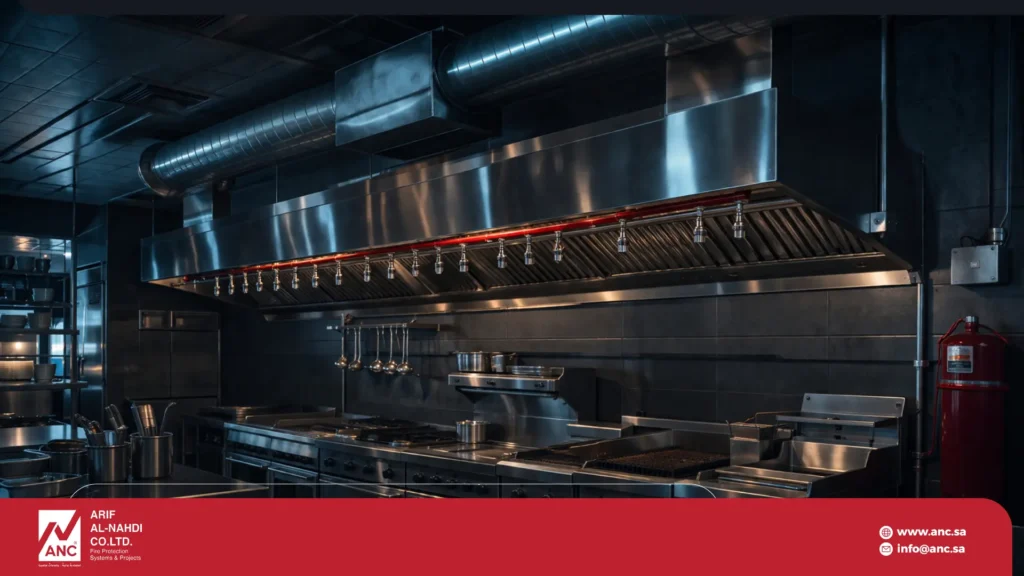
During kitchen fire suppression hood inspection visits, technicians usually review visible condition and readiness rather than treating every visit as a full overhaul.
Typical inspection points include:
- visible condition of system components,
- nozzle condition or caps where applicable,
- manual release accessibility,
- release or control status,
- signs of damage or tampering,
- service-date visibility,
- and whether operating instructions or related readiness information are present.
Documentation review also matters. A technician may check the last service date, previous findings, or whether the current condition suggests a missed maintenance cycle.
That is why your service request should include the last known service date and any visible problem, not just “system check.”
Who Should Carry Out Kitchen Hood Fire Suppression Inspection And Document The Results?
Kitchen hood fire suppression inspection should be carried out by qualified fire-protection service personnel who understand commercial kitchen hood systems and the listed system being serviced.
This is specialized work, not a general handyman task.
The results should also be documented clearly. A site visit without useful records gives management less control over overdue actions, unresolved findings, and future service planning.
At ANC, we encourage customers to treat documentation as part of the service outcome, not as an afterthought.
When Should Kitchen Fire Suppression Hood Maintenance Move From Routine Service To Urgent Action?
Not every issue can wait for the next scheduled visit.
Kitchen fire suppression hood maintenance should move from routine service to urgent action when the system shows visible damage, missing protective elements where applicable, accidental discharge, unclear readiness status, release or control issues, or any other sign that it may not operate as intended.
This does not mean every minor observation is an emergency. It means you should stop treating the issue as routine when readiness is genuinely in doubt.
Practical warning signs include:
- visible damage to key system parts,
- missing or disturbed items that should be in place,
- accidental discharge or evidence of prior discharge,
- shutdown or interface faults,
- unclear or overdue service status,
- and any condition suggesting the system may not respond correctly.
Delayed maintenance can leave problems unresolved and increase the risk that the system will not perform as intended when needed.
If you are seeing one of these warning signs, send us the kitchen type, last service date, and photos of the issue. We at ANC can help you determine whether you need scheduled maintenance or urgent support.
What Does Fire Suppression For Kitchen Hood Require After Installation To Stay Reliable?
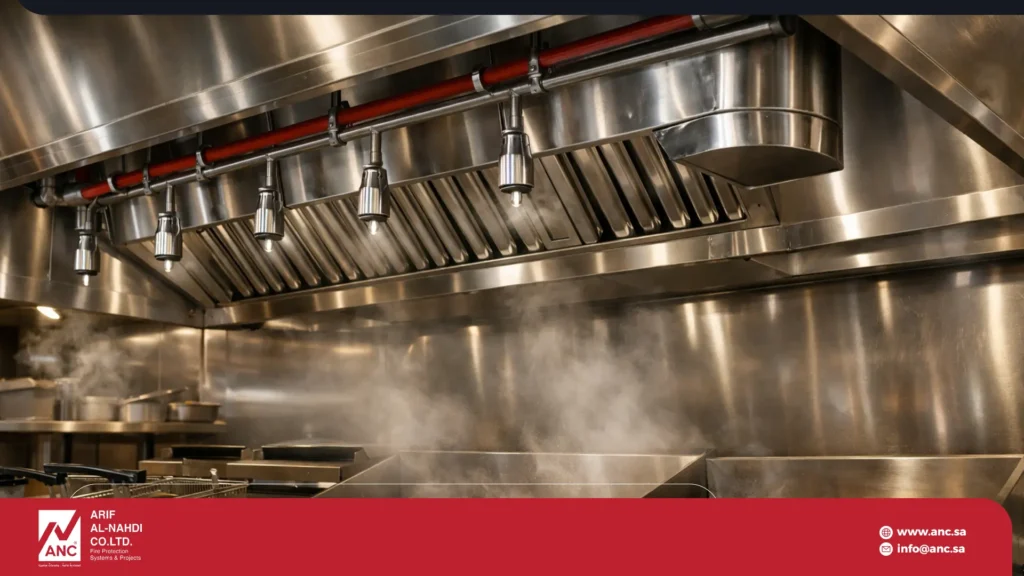
After installation, fire suppression for kitchen hood still depends on ongoing inspection, service, documentation, and management follow-through. Installation alone does not keep a system reliable in a busy commercial kitchen.
For you, that means staff should know where operating instructions are posted, management should know the last service status, and any visible problem should be escalated rather than ignored.
Grease-heavy environments and high-use kitchens especially benefit from disciplined follow-through. A reliable system is not only correctly installed. It is regularly reviewed and kept in known condition.
How Does A Kitchen Hood Fire Fighting System Fit Into Wider Kitchen Fire Safety Readiness?
A kitchen hood fire fighting system is one layer in a wider commercial kitchen safety plan.
Fixed hood suppression is engineered for protected cooking hazards under and around the hood. But real kitchen readiness may also involve operating procedures, shutdown logic, staff awareness, recordkeeping, and manual first-response tools where appropriate.
This matters because maintenance expectations become clearer when you understand the role of the hood system. It is not there to replace all other safety practices. It serves its protected hazard zone as one critical part of the wider readiness plan.
How Does Kitchen Hood Fire Extinguisher Readiness Differ From Fixed Hood System Maintenance?
A kitchen hood fire extinguisher and a fixed hood suppression system do not serve the same purpose.
A portable extinguisher supports manual first-aid firefighting. The fixed hood system is engineered for protected cooking hazards under the hood and around associated equipment.
That is why extinguisher readiness should not be confused with fixed-system service. Even if portable equipment is in place, the hood suppression system still has its own inspection, maintenance, documentation, and service obligations.
The practical takeaway is simple: do not let one visible safety item distract from the condition of the engineered hood system itself.
What To Include In A Kitchen Hood Maintenance Service Request?
A better request gets you a better response.
When you contact ANC about kitchen hood fire suppression system maintenance, include:
- kitchen type,
- system type if known,
- last inspection or service date,
- current issue,
- any accidental discharge or fault event,
- photos if available,
- site location,
- and whether the request is routine inspection, scheduled maintenance, or emergency service.
This helps the technical team prioritize correctly and reduces back-and-forth when the issue may need faster escalation.
Need scheduled service or urgent support? Send us the kitchen details and current system condition, and we at ANC can review the request and guide the next step.
Conclusion
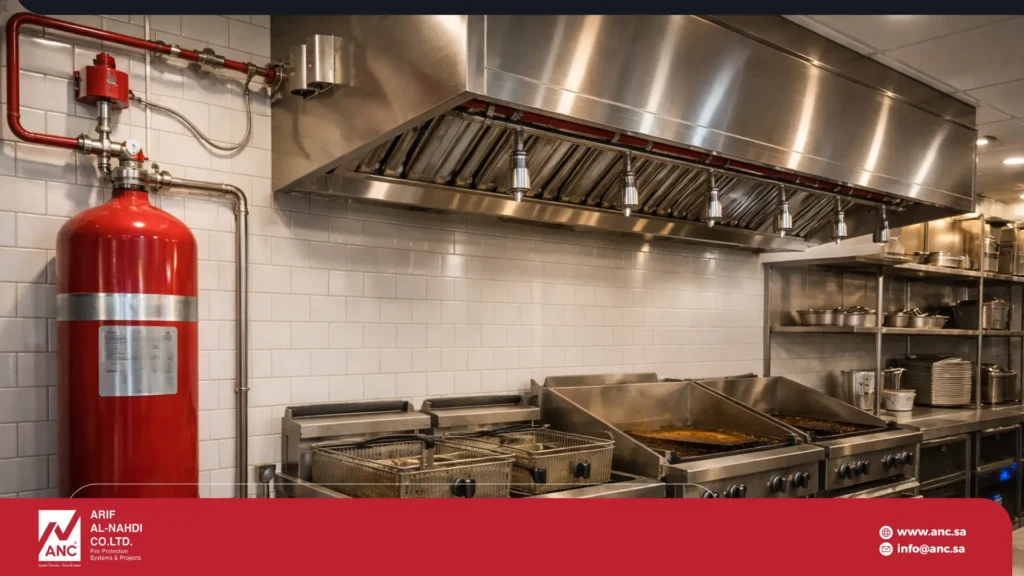
Kitchen hood fire suppression system maintenance is about keeping the system ready, documented, and serviceable throughout its operating life.
It is not the same as a quick inspection, and it should not be delayed once the system condition becomes uncertain.
If you understand the difference between inspection and maintenance, know what technicians typically check, and recognize when routine service becomes urgent, you will manage the system more effectively and reduce avoidable readiness risks.
At ANC, we can support scheduled inspection, maintenance planning, record review, and urgent technical support for commercial kitchen hood systems in Saudi Arabia.
FAQs about Kitchen Hood Fire Suppression Syste Maintenance & Inspection
1-How Often Should A Kitchen Hood Fire Suppression System Be Inspected?
There is no single interval that fits every system. Inspection timing depends on the listed system instructions, the applicable maintenance path, and the kitchen operating environment.
The right approach is to follow the installed system requirements and schedule qualified service accordingly.
2-What Is Checked During A Kitchen Hood Fire Suppression System Inspection?
A typical inspection reviews visible system condition, accessibility of the manual release, obvious damage or tampering, service status or records, and whether instructions and related readiness items are in place. The exact checklist depends on the installed listed system.
3-Who Is Qualified To Carry Out Kitchen Hood Fire Suppression Maintenance?
This work should be handled by qualified fire-protection service personnel who understand commercial kitchen hood systems and the specific listed system being maintained.
4-What Happens If Kitchen Hood Suppression Maintenance Is Not Done On Time?
Delayed maintenance can leave problems undiscovered or unresolved and increase the risk that the system will not perform as intended when needed. It can also weaken readiness records and make service escalation more difficult.
5-What Is The Difference Between Inspection And Maintenance For Hood Systems?
Inspection checks condition and readiness. Maintenance is the service work required to correct issues, restore function, and keep the system reliable. An inspection may reveal conditions that require scheduled follow-up or urgent action.
6-When Should I Request Emergency Service For A Kitchen Hood Suppression System?
Request emergency support when the system shows visible damage, unclear readiness status, accidental discharge, release or control issues, or any condition suggesting it may not operate properly. At that point, the issue should no longer be treated as routine maintenance.