
Winter fire suppression system maintenance: do you expect your facility’s system to perform with the same efficiency in winter as it does in other seasons? In Saudi Arabia, colder weather, shifting operating conditions, and higher electrical loads can directly impact winter fire suppression system maintenance—leading to leaks, low pressure, or sudden failures.
The problem is that many facilities discover these issues during an emergency, not during inspection—when losses are higher and response time is longer. In this article, you’ll learn the key points facilities need to improve the readiness of suppression systems, fire alarm/detection, and fire extinguishers during winter, with practical steps that reduce risk and strengthen compliance.
How does winter affect fire suppression systems?
Winter impacts fire suppression systems when ambient temperatures and facility operating conditions change, increasing the likelihood of faults or reduced efficiency if seasonal maintenance is not performed early. That is why winter’s impact typically concentrates on the following points:
- Lower temperatures and their effect on networks.
- Changing operating conditions inside buildings.
- Increased load and demand on fire protection systems.
Fire suppression systems that require special winter maintenance
Start by identifying the systems most sensitive to cold and humidity within your facility, because winter fire suppression system maintenance depends on targeting recurring failure points before they become a real shutdown during an emergency. Systems that require special winter maintenance typically fall under the following areas:
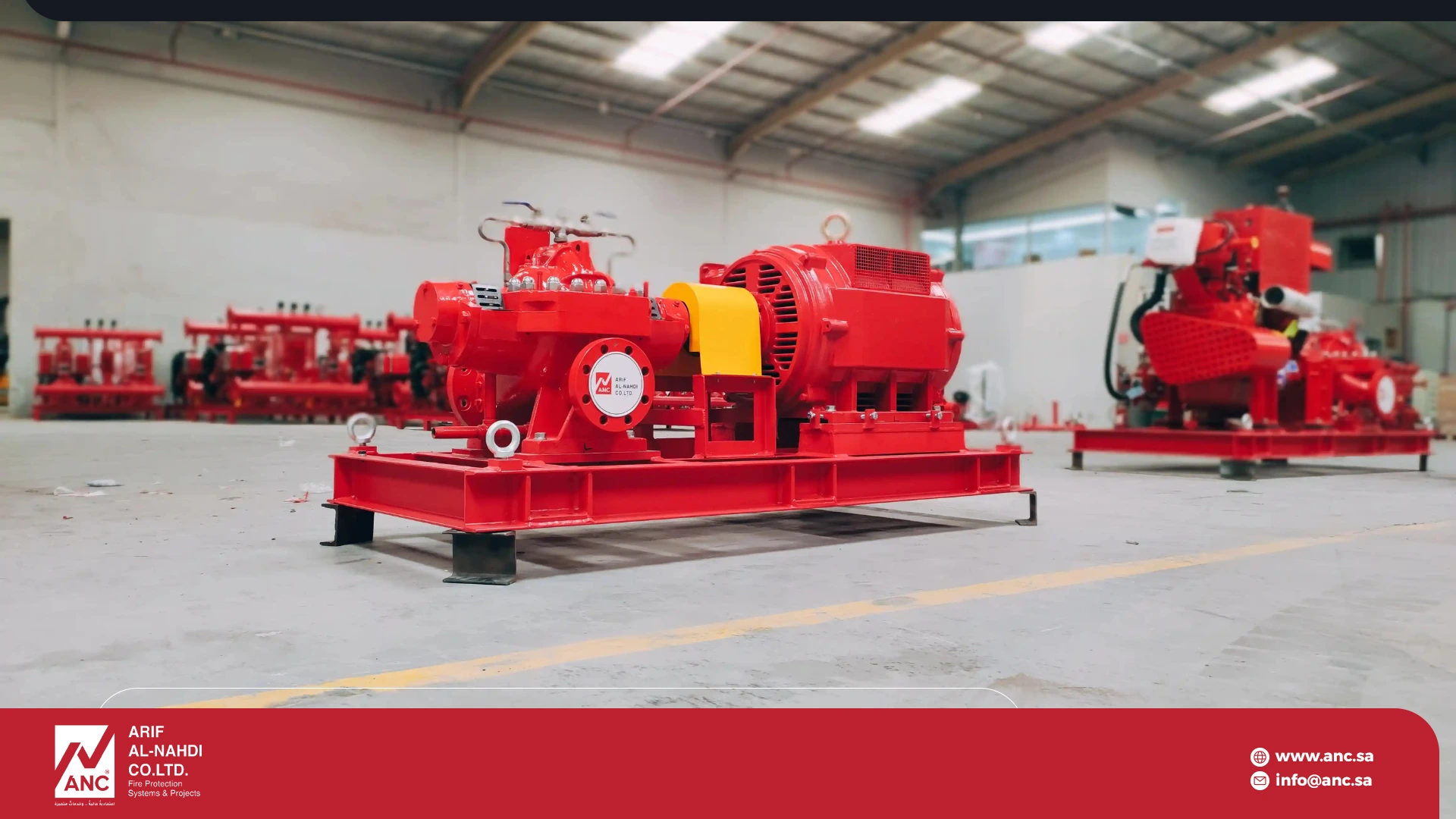
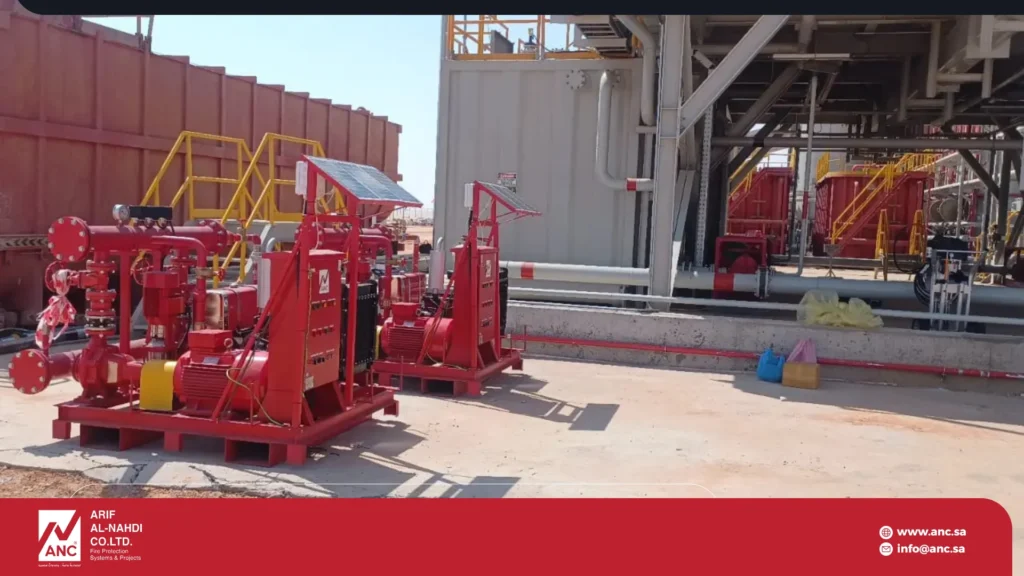
Fire Pumps
Winter fire suppression system maintenance starts with confirming pump readiness, because network pressure and stable operation in winter depend on fire pumps directly across facilities in Saudi Arabia.
Winter pump maintenance typically focuses on:
- The main pump.
- The jockey pump.
- Power sources (electric / diesel).
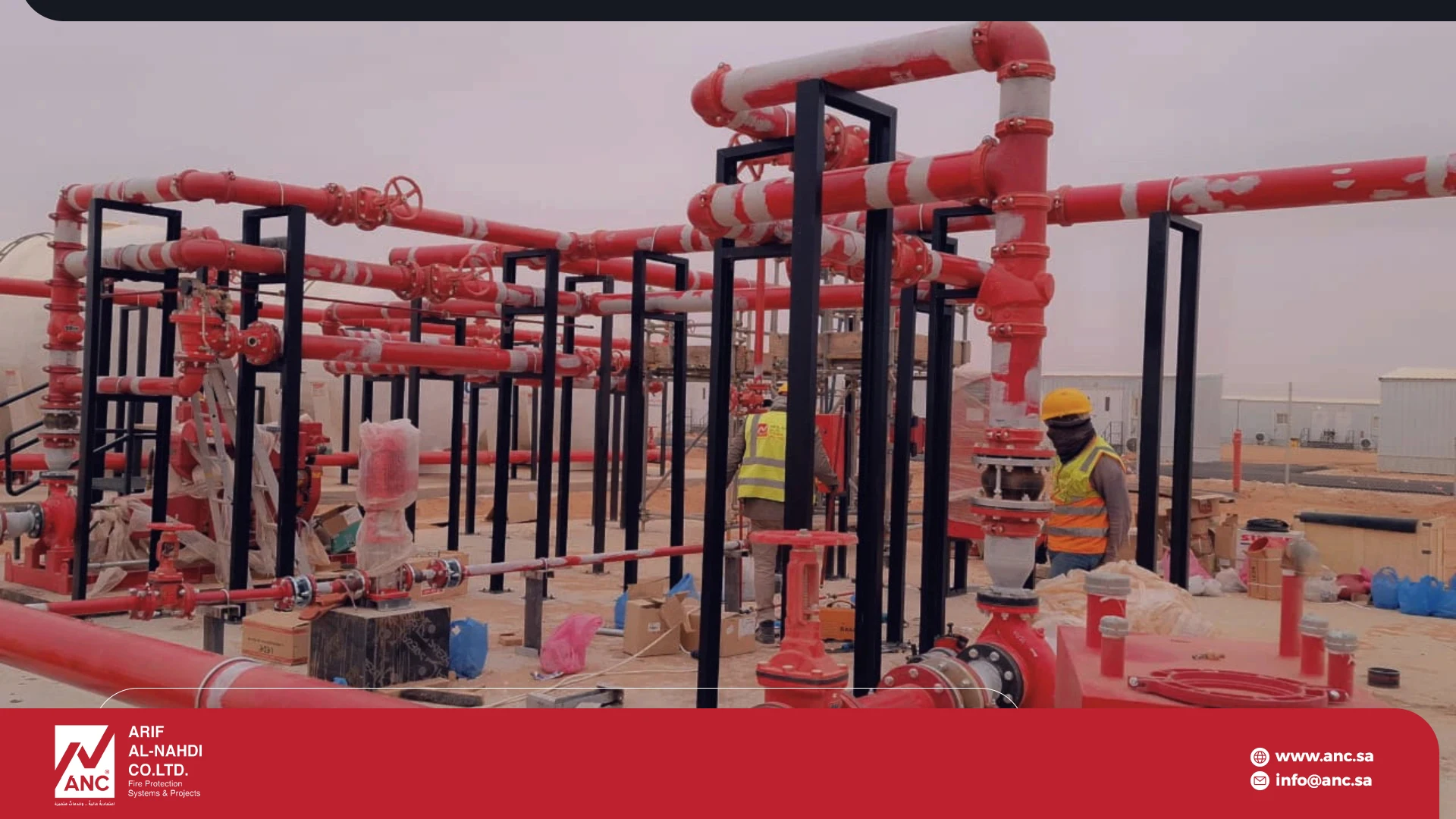
Water Networks and Piping
Monitor water networks because lower temperatures and humidity can reveal leaks or weaken unprotected components, which reduces suppression effectiveness.
Key winter maintenance checks include:
- Leak potential.
- Impact on uninsulated piping.
Alarm and Detection Systems
Test these systems because humidity can affect detection sensitivity and signal continuity, disrupting response during winter. Priority typically goes to:
- Smoke detectors.
- Control panels.
- Notification devices.
Fire Extinguishers
Review extinguishers because readiness does not mean they merely exist—it means they are serviceable, properly pressurized, and suitable for winter risks within the facility. Core inspection points include:
- Extinguisher validity/serviceability.
- Extinguisher pressure.
- Type suitability for winter-related risks.
Read also: The Importance of Outdoor Fire Hose Cabinets and How to Protect Them from Winter Weather
Key routine maintenance points for fire suppression systems in winter
Winter maintenance is effective when it becomes a set of fixed checkpoints performed on a recurring basis, because even a minor issue in pressure or automatic operation can reduce suppression performance during an emergency. Key routine winter maintenance points typically include:
- Testing fire network pressure.
- Checking fire pump readiness.
- Verifying automatic start operation.
- Inspecting batteries and backup power systems.
- Confirming there are no blockages or leaks.
Common mistakes in winter fire system maintenance
Winter fire system failures often repeat due to small maintenance mistakes that start with neglect and end as an unpleasant surprise during an emergency. That is why it is important to watch for common mistakes in winter fire system maintenance such as:
- Delaying routine maintenance until after peak winter.
- Neglecting jockey pump checks and their impact on stable network pressure.
- Relying on visual inspection only, without operational tests and measurements.
- Failing to update maintenance reports and document inspection results and repairs.
Read also: Fire System Inspection Before Winter: Your Complete Guide from Arif Al-Nahdi ANC
Benefits of preventive maintenance during the winter season
Preventive maintenance in winter gives you a real advantage: detecting faults before they appear during an emergency and reducing system downtime in the season when operational load and humidity are highest. Key benefits of preventive winter maintenance for facilities in Saudi Arabia include:
- Ensuring system readiness during emergencies.
- Reduccing unexpected breakdowns.
- Improving suppression efficiency.
- Meeting Saudi Civil Defense requirements.
- Reducing emergency costs.
Read also: How to Avoid Charcoal and Firewood Fires: Protect Your Family with ANC Solutions
Practical tips for facilities in Saudi Arabia during winter
Winter maintenance succeeds when it turns into consistent, practical steps implemented before the cold intensifies and throughout the season—rather than waiting for the first failure or alarm. Here are practical tips for facilities in Saudi Arabia during winter to improve readiness and reduce risk:
Schedule a seasonal inspection before temperatures drop
Start by scheduling an early seasonal inspection, because winter issues often appear with the first cold and humidity wave—not after. A full inspection before peak winter helps you address leaks, low pressure, and pump operation before a minor issue becomes an emergency.
Train staff on safety procedures
Activate the role of your people, because fast response does not rely on systems alone—it relies on those who know what to do when an alarm sounds. Training employees on proper handling of fire suppression systems and reporting any abnormality reduces response time and limits confusion.
Track technical reports
Follow technical reports because they are your facility’s readiness map, and any unimplemented note can become a critical failure during an emergency. Reviewing inspection findings and executing recommendations immediately preserves readiness throughout winter and demonstrates compliance.
Read also: Winter Emergency Plan: How Schools and Hospitals Prepare for Fire?
How does Arif Al-Nahdi Company ANC support you in fire system maintenance?
Arif Al-Nahdi Company (ANC) supports your winter fire suppression system maintenance by turning seasonal inspection into a clear action plan that improves readiness and reduces unexpected failures—backed by reports that help demonstrate compliance to regulators and insurers.
Specialized winter maintenance programs
ANC provides specialized winter maintenance programs focused on the points most affected by cold and humidity—such as network pressure, pump readiness, and automatic operation. Inspections are performed according to established technical practices and relevant NFPA requirements.
Certified technical teams
ANC relies on qualified technical teams experienced with suppression and fire alarm systems across different facility types in Saudi Arabia. This expertise reduces diagnosis time and accelerates corrective action before issues turn into downtime that exposes the facility to risk.
Approved reports and compliance assurance
ANC provides clear inspection and maintenance reports documenting measurements, actions, observations, and repairs—supporting your readiness for Civil Defense requirements and insurance needs. This gives the facility an organized technical record that simplifies follow-up and reduces operational risk during winter.
When should fire suppression system maintenance be performed?
Fire suppression system maintenance should be scheduled around seasons, changing loads, and any facility modifications—because waiting until a fault appears increases both risk and cost. Maintenance is recommended at the following times:
- Before the winter season begins.
- When electrical loads increase.
- After any facility modification.
- According to an approved routine maintenance schedule.
Winter fire suppression system maintenance is not a routine task; it is a direct investment in safety—because prevention is always easier and less costly than dealing with fire losses or system failure during an emergency. When a facility maintains pump, network, and alarm readiness through winter, the risk of sudden failures decreases, response time improves, and suppression performance increases.
Contact Arif Al-Nahdi Company (ANC) to schedule winter inspection and maintenance for your fire suppression systems and receive a readiness report that supports compliance and strengthens your facility’s safety.
FAQs about winter fire suppression system maintenance
1- Does fire suppression system maintenance in winter differ from other seasons?
Yes; winter focuses more on how cold, humidity, and leaks affect pressure, automatic operation, and electrical systems.
2- Which systems are most affected by cold weather?
Water networks and uninsulated piping, fire pumps (especially the jockey pump and automatic start), and alarm/detection systems impacted by humidity.
3- Is winter maintenance mandatory?
It is part of meeting safety and readiness requirements for Civil Defense and insurance; ignoring it exposes the facility to operational risks and potential violations if negligence or failures are found.
4- Does ANC offer seasonal maintenance contracts?
Yes; ANC offers seasonal maintenance programs/contracts that include inspection, preventive maintenance, and technical reports that support compliance.