


Do you think your home is safe in winter just because the doors are closed and the heater is on? The reality is that home fires increase during winter due to small, everyday details: a heater placed too close to curtains, electrical overload, or poor ventilation that hides danger until it escalates. With greater reliance on heating and cooking for longer hours, even a minor mistake can lead to irreversible losses.
This is where the difference appears between simple “peace of mind” and real home fire prevention through early warning systems and proper protection for every room. In this guide, you’ll learn the most common causes of winter home fires, the mistakes many people make without realizing it, and how Arif Al-Nahdi Company (ANC) supports you with practical options to secure your home before a small spark turns into a disaster.
Why Do Home Fires Increase Significantly in Winter?
Home fires increase in winter because household usage patterns change suddenly: heaters run for longer hours, cooking increases, and closed windows reduce ventilation. With this daily pressure on appliances and wiring, the chances of sparks and malfunctions rise—making winter fires more frequent due to:
Heavy reliance on heating devices
Increased electrical loads
Closed windows and poor ventilation
Use of old or unsafe appliances
Main Causes of Home Fires in Winter
The main causes of winter home fires revolve around two clear sources: higher-than-usual indoor heat and electrical systems operating under continuous strain. When heating and cooking run for long hours and ventilation weakens, simple mistakes become direct triggers for winter fires.
Electric and Gas Heaters
The risk of home fires increases in winter with heaters because they are used daily for long hours, often inside closed rooms. When placed near furniture or fabrics, ignition can occur quickly.
Long operating hours
Placement near flammable materials
Electrical Overloads
Winter home fires often occur due to increased electricity consumption when multiple heating devices operate simultaneously. Combined connections raise the risk of overheating and sparks.
Running several devices on the same circuit
Using extension cords and power strips
Traditional Heaters (Charcoal and Wood)
Fires can start with traditional heaters when embers or flames are left unsecured, or when wood is used in unsuitable spaces. With sparks and smoke, risks escalate within minutes.
Remaining embers
Flying sparks
Use in unprepared areas
Kitchens in Winter
The likelihood of home fires rises in winter kitchens as cooking time increases and tools, grease, and heat accumulate in less ventilated spaces. With hot oils, ignition can occur faster than expected.
Frequent cooking
Oil fires
Neglecting ventilation
Read also: Fire Doors in the Rainy Season: Why Check Seals and Insulation?
Rooms Most Vulnerable to Fires in Winter
Certain rooms are more prone to winter home fires because they combine heat sources, multiple appliances, and limited ventilation. With long daily use of heating, cooking, and storage, these spaces are most exposed to winter fire risks:
Bedrooms
Living rooms
Kitchens
Home storage rooms
The Most Dangerous Common Mistakes Leading to Winter Fires
Winter home fires often result from daily habits that seem simple but combine high heat, long operating hours, and lack of supervision. With reliance on heating and electricity in closed rooms, one mistake can turn a spark into a winter fire within minutes.
Running heaters while sleeping
Leaving flames unattended
Unsafe electrical connections
Lack of early warning systems
Read also: How to Maintain the Efficiency of Fire Suppression Systems in Industrial Facilities During Winter
How Do You Protect Your Home from Winter Fires?
Protecting your home from winter fires begins when winter shifts from a “heating season” to a “readiness season.” The increased use of appliances, cooking, and closed windows raises fire risks without warning. The simpler and clearer the preventive steps, the easier they are for every family member to follow.
Use Safe and Certified Heating Devices
The likelihood of winter home fires decreases when heating systems are reliable and designed for protection—not just operation. Certified safety systems reduce the chances of overheating and sudden ignition.
Manage Electrical Loads Wisely
A large portion of winter home fires is linked to electrical strain when multiple devices run together. Balanced load management and regular inspection reduce the risk of sparks and overheating.
Distributing loads
Inspecting breakers and wiring
Proper Home Ventilation
Winter fire risks increase when air is trapped indoors, allowing heat and smoke to build up and making control harder. Thoughtful ventilation—even during cold days—improves safety and reduces the risk of suffocation and fire spread.
Read also: How to Avoid Charcoal and Firewood Fires: Protect Your Family with ANC Solutions
The Role of Fire Alarm Systems in Reducing Home Fire Losses
Winter home fire losses decrease when alarm systems work as a single chain—starting with detection, followed by alerting, and then allowing time to act. The role of home fire alarm systems depends on three connected stages:
Smoke detectors
Early warning
Rapid intervention before fire spreads
How Does Arif Al-Nahdi Company (ANC) Help Prevent Home Fires?
Winter home fire prevention moves from general advice to a clear plan when certified products, correct installation locations, and home-specific solutions are available. At Arif Al-Nahdi Company (ANC), we provide practical solutions that reduce risks before they start and give families valuable time to respond at the first sign of danger.
Certified Home Fire Alarm Systems
ANC provides certified residential fire alarm solutions designed to detect danger early and operate efficiently in rooms and corridors. These alarms shorten the time between smoke detection and correct decision-making, reducing winter fire losses. Contact ANC to choose an alarm system that suits your home’s size and number of rooms for daily peace of mind.
Smoke and Heat Detectors for Homes
Smoke and heat detectors help identify early fire indicators before rapid spread—especially in winter when windows are closed and ventilation is weak. Choosing the right type and placement makes the difference between effective and delayed alerts. Ask ANC to recommend the most suitable detectors and optimal installation points for maximum protection.
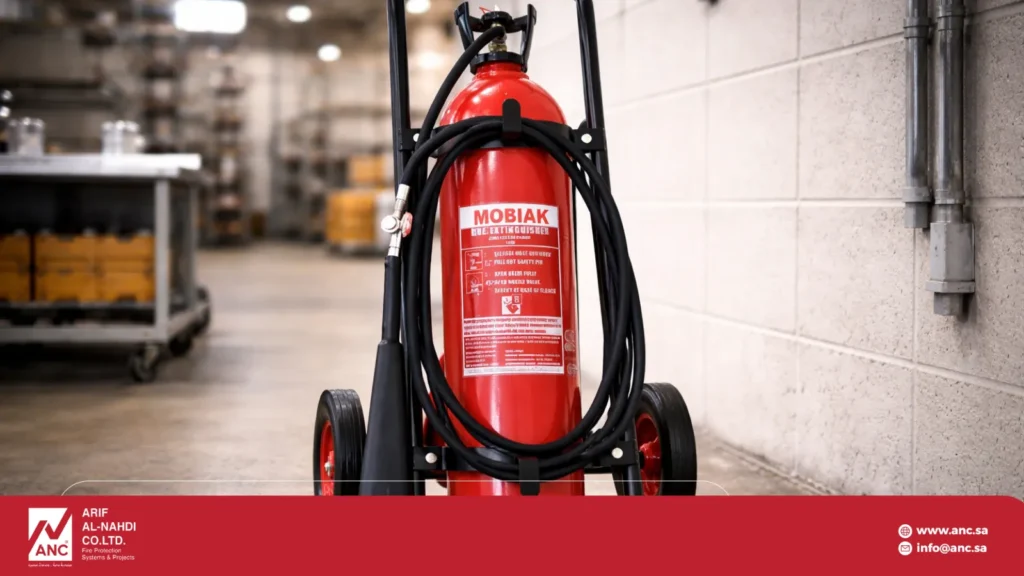
Supplying Fire Extinguishers for Home Use
ANC provides home-appropriate fire extinguishers for common winter fire scenarios, such as electrical or kitchen fires, including powder and CO₂ types suitable for residential use. Having an extinguisher in the right place enables faster response and prevents fire escalation in its early moments. Contact ANC to select the right extinguisher for each area of your home and distribute them intelligently.
Preventive Consultations to Secure Homes in Winter
ANC offers preventive consultations that help you identify risk points in your home before problems occur—through quick assessments of heating, electrical loads, and ventilation. The goal is simple, actionable solutions that prevent common mistakes leading to winter home fires.
Contact ANC for practical recommendations tailored to your daily usage and to give your family comfort and reassurance.
Benefits of Investing in Home Fire Prevention
Investing in home fire prevention is not a seasonal luxury—it is a decision that reduces risks that rise with winter home fires. Every early preventive step gives you time and control before a problem becomes a major loss.
Protecting lives
Reducing material losses
Family comfort and peace of mind
Faster emergency response
In the end, prevention is not just equipment—it’s a daily safety culture within the family, especially in winter when accident risks increase. With early warning systems, suitable extinguishers, and a simple response plan, losses become smaller and control faster. Most importantly, you protect the lives of those you love and give your home real safety that doesn’t rely on luck.
Contact Arif Al-Nahdi Company (ANC) today to equip your home with suitable preventive solutions and expert advice before the high-risk season begins.
Frequently Asked Questions About Winter Home Fire Prevention
1. Are heaters the main cause of winter fires?
They are among the most common causes—especially when operated for long periods, placed near curtains or furniture, or when unsafe devices are used.
2. Are smoke detectors necessary in homes?
Yes, because they provide early warning in the critical first minutes—the most important time to reduce home fire losses.
3. What type of fire extinguisher is suitable for homes?
A multipurpose ABC powder extinguisher is generally suitable for most home fires, while a CO₂ extinguisher is an excellent option for electrical fires.
4. Does ANC provide fire prevention solutions for residential homes?
Yes, Arif Al-Nahdi Company (ANC) offers residential solutions such as smoke/heat detectors, fire extinguishers, and preventive consultations to secure homes during winter.